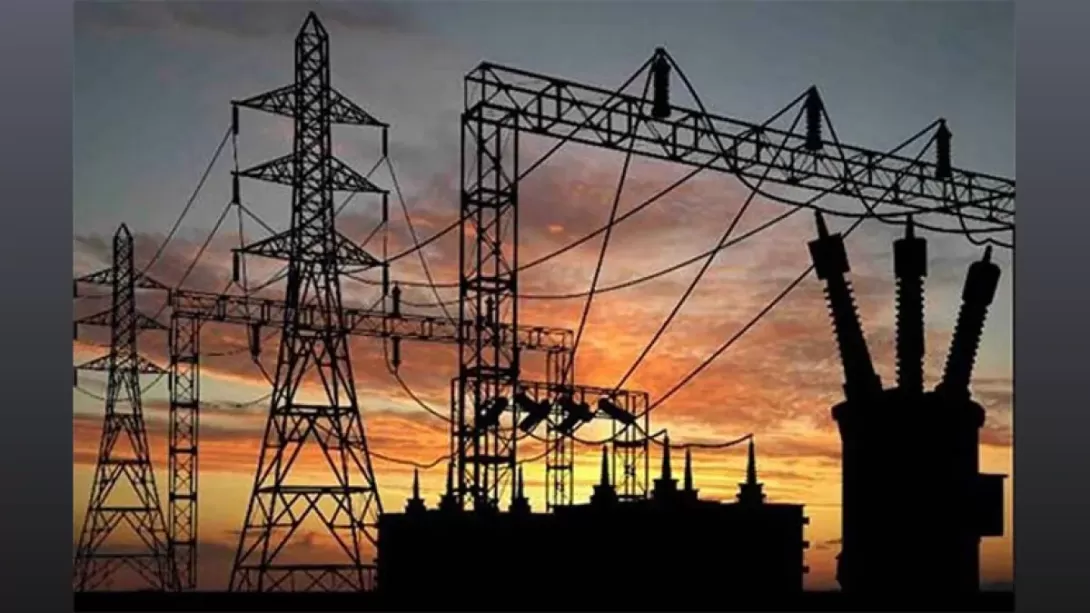
India's power consumption declined by over 4% in May 2025, totaling 148.71 billion units (BU), compared to 155.15 BU in the same month the previous year. This reduction is attributed to unseasonal rains and the early arrival of the monsoon, which decreased the demand for cooling appliances and irrigation. The peak power demand also saw a dip, reaching approximately 231 gigawatts (GW) in May, down from around 250 GW in May 2024. Experts anticipate steady power demand in the coming months, with projections indicating a peak demand of 277 GW during the summer of 2025.
Factors Contributing to Reduced Power Consumption
Unseasonal Rains and Early Monsoon Onset
The early arrival of the monsoon on May 24, 2025, eight days ahead of the usual schedule, coupled with unseasonal rains, led to a decrease in power consumption. According to the India Meteorological Department (IMD), the monsoon's onset was the earliest in 16 years, bringing relief from the summer heat and reducing the need for air conditioning and cooling appliances.
Impact on Cooling Appliances
The cooler temperatures resulting from the rains led to a decline in the use of cooling appliances such as air conditioners and desert coolers. This reduction in usage contributed significantly to the overall decrease in electricity consumption during the month.
Peak Power Demand Trends
May 2025 Demand Figures
In May 2025, the peak power demand met was approximately 231 GW, a decrease from around 250 GW in May 2024. This dip is consistent with the overall reduction in power consumption observed during the month.
Projections for Summer 2025
Despite the decline in May, experts project that India's peak power demand will reach 277 GW during the summer of 2025. This anticipated increase underscores the challenges of meeting high electricity demands during peak seasons, especially with the growing use of air conditioning and other electrical appliances.
Implications for the Power Sector
Grid Stability and Infrastructure Readiness
The Indian power sector is preparing for the projected peak demand by ensuring that the grid infrastructure can handle the increased load. Measures include optimizing the use of existing power plants and enhancing transmission capabilities to maintain grid stability during high-demand periods.
Role of Renewable Energy Sources
Renewable energy sources, particularly solar and wind, are being integrated into the grid to supplement traditional power generation methods. However, the intermittent nature of these sources poses challenges in meeting peak demand consistently. Therefore, balancing renewable energy integration with reliable backup power sources remains a critical focus for the sector.
Conclusion
The over 4% decline in India's power consumption in May 2025, primarily due to unseasonal rains and the early onset of the monsoon, highlights the significant impact of weather patterns on electricity demand. While the reduction in consumption provides temporary relief, the projected peak demand of 277 GW during the summer necessitates continued efforts to enhance grid infrastructure and integrate renewable energy sources to ensure a stable and reliable power supply.
Comments