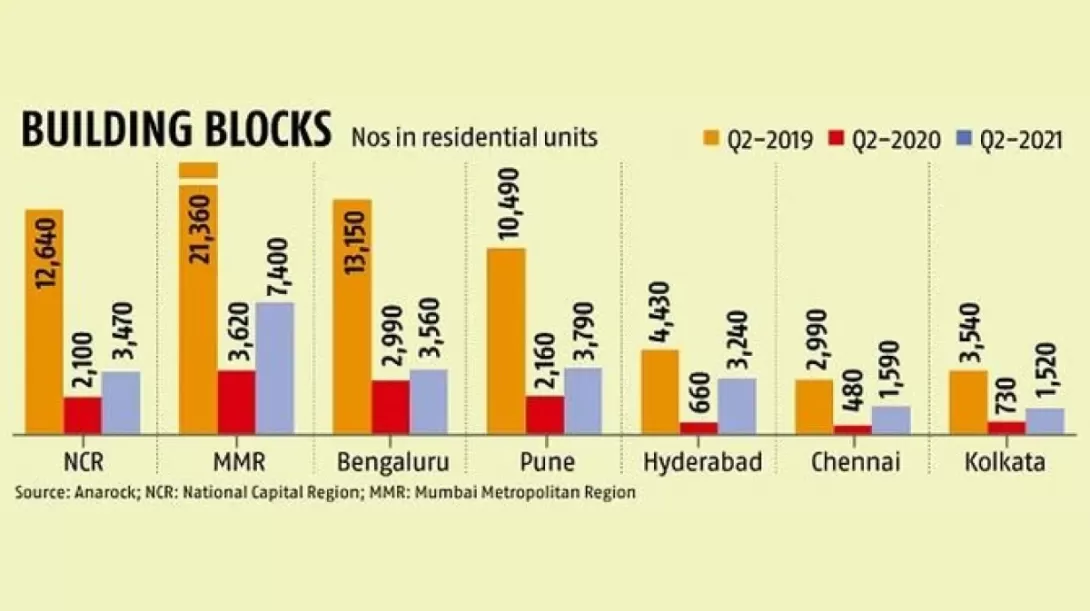
The Reserve Bank of India's recent 50 basis point reduction in the repo rate has been widely welcomed by CREDAI, India’s premier real estate body, as a decisive move to invigorate the residential property market. The cut enhances home loan affordability, particularly benefiting mid-income and affordable housing segments that have struggled amid subdued demand. This monetary easing arrives as the real estate market gains traction across metros and emerging Tier 2 and Tier 3 cities. Industry leaders anticipate that lower borrowing costs will reignite consumer confidence and stimulate fresh investments, especially encouraging first-time homebuyers, thereby fostering a more robust and sustainable housing recovery.
CREDAI Applauds RBI’s Bold Monetary Easing
The Confederation of Real Estate Developers’ Associations of India (CREDAI) has characterized the Reserve Bank of India’s 50 basis point repo rate reduction as a courageous and timely intervention designed to catalyze growth in the residential property sector. Shekhar G Patel, CREDAI’s President, emphasized that this policy decision is poised to revitalize consumer sentiment, particularly benefiting the mid-income and affordable housing categories, which have encountered persistent challenges in recent years.
Patel noted, “We view this rate cut as a critical step toward stimulating domestic demand and improving overall market dynamics.”
Enhancing Affordability in Key Housing Segments
The rate cut directly translates into lower lending costs, significantly improving affordability for prospective homebuyers. The resultant reduction in equated monthly installments (EMIs) is expected to alleviate financial burdens and encourage uptake, particularly among first-time buyers who remain the backbone of residential real estate demand.
“Interest-sensitive segments such as mid-income and affordable housing will see immediate benefits, as lower financing costs make homeownership more accessible,” Patel remarked.
Impact on Affordable Housing and Market Revival
Affordable housing, a segment that has faced supply-side bottlenecks and demand suppression, stands to gain substantially from this monetary easing. Lower interest rates enhance not only buyer affordability but also the financial viability of projects, potentially accelerating the pace of new launches and completions.
The cumulative reduction of 100 basis points over the past six months underscores a strategic approach by policymakers to nurture a more conducive environment for sustainable real estate growth.
Market Context and Outlook
Despite recent challenges, including a noted decline in housing sales across 7 to 8 major cities during the January-March quarter compared to the previous year, the RBI’s policy stance is expected to reverse this trend.
India’s real estate momentum is gradually building, not only in metropolitan hubs but increasingly in Tier 2 and Tier 3 cities, where demand for affordable housing remains robust.
CREDAI’s leadership and industry analysts alike anticipate that the improved credit environment will spur renewed buying activity, stabilize pricing, and support developers in managing project execution more effectively.
Conclusion
The RBI’s repo rate cut is more than a monetary policy adjustment—it is a strategic lever that could unlock latent demand within India’s residential property market. By easing financial constraints on buyers and enhancing the economic feasibility of housing projects, this decision offers a promising pathway toward revitalizing a sector integral to India’s broader economic landscape.
This development will be closely watched by stakeholders seeking to balance growth with affordability in one of the world's most dynamic real estate markets.
Comments