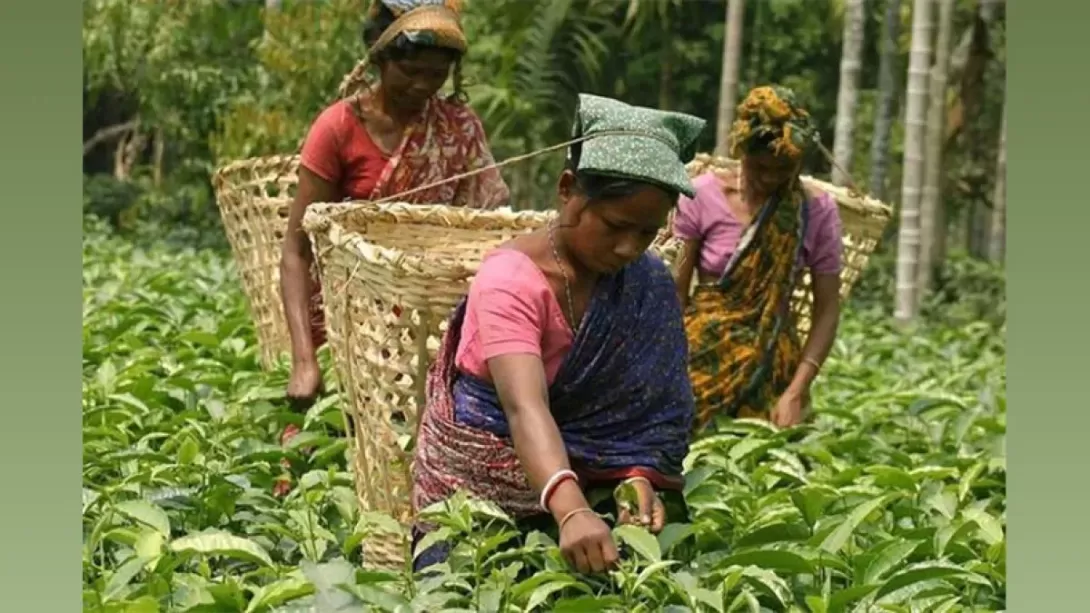
India's tea export volumes surged by nearly 10% in 2024, with total exports reaching 254.67 million kg, compared to 231.69 million kg the previous year. The increase reflects strong production growth, particularly in North and South India, which saw year-on-year rises of 9.79% and 10.11%, respectively. However, early data for 2025 suggests regional production disparities, with North India's output continuing to grow, while South India's tea production has experienced a decline in the first quarter. The Tea Board’s figures provide crucial insights into India’s tea industry, demonstrating both resilience and challenges ahead.
Strong Growth in Tea Exports: A Positive Trend for India’s Industry
India’s tea industry witnessed a robust performance in 2024, with exports growing by an impressive 9.92%. Total tea exports for the calendar year reached 254.67 million kilograms, up from 231.69 million kilograms in 2023. This increase highlights a steady global demand for Indian tea, despite the fluctuating challenges in international markets.
The rise in export volumes has been attributed to several factors, including India’s diverse range of tea varieties, the expansion of its market reach, and the increasing popularity of Indian tea in countries across the globe. The significant year-on-year growth suggests that Indian tea producers have managed to adapt to evolving consumer preferences while maintaining a strong foothold in both traditional and emerging markets.
North and South India’s Tea Production Shows Diverging Trends
The growth in exports can be largely traced back to improved production numbers across India, especially in the North and South. According to the Tea Board, production in North Indian estates for the year 2024 stood at 154.81 million kilograms, reflecting a 9.79% increase compared to the previous year. Similarly, South India saw its production rise by 10.11%, reaching 99.86 million kilograms in 2024, up from 90.69 million kilograms in 2023.
This uptick in production reflects favorable climatic conditions and improved agricultural practices. North India, particularly renowned for its premium tea varieties such as Darjeeling and Assam, saw a steady rise in output, while the South, home to significant tea-growing regions like Tamil Nadu and Kerala, also experienced a production boost.
Provisional Data for 2025 Reveals Regional Disparities
Despite the positive growth in 2024, early figures for the first quarter of 2025 indicate mixed outcomes across the country. From January to March 2025, India’s total tea production was marginally higher at 69.22 million kilograms, compared to 67.53 million kilograms in the same period of 2024. This represents a modest increase of approximately 2.5%, indicating continued stability in the sector.
However, the data revealed significant regional disparities. North India’s production during the first quarter of 2025 saw a remarkable increase of 14.38%, rising to 45.35 million kilograms from 39.65 million kilograms in the previous year. This growth underscores the continued resilience and productivity of the northern estates, which are benefiting from improved agricultural techniques and favorable weather conditions.
South India Faces Decline in Tea Production
On the other hand, South India’s tea production faced a decline of 14.38% during the same period, falling to 23.87 million kilograms from 27.88 million kilograms in the first quarter of 2024. The decrease can be attributed to a variety of factors, including adverse weather patterns, fluctuations in rainfall, and possibly labor shortages that have impacted production levels. South India’s tea estates, which primarily focus on varieties such as Nilgiri and other regional teas, have seen a tougher start to the year compared to their northern counterparts.
This dip in production in the south raises concerns for the tea industry, as South India is an important contributor to the overall tea supply. Addressing these challenges will require targeted interventions, including better climate adaptation strategies and improvements in the workforce dynamics.
Outlook for India’s Tea Industry
Looking ahead, the outlook for India’s tea industry remains cautiously optimistic, but the sector faces ongoing challenges. While the growth in exports and production in 2024 is encouraging, the regional disparities highlighted in the 2025 data underscore the importance of addressing sector-specific issues. The decline in South India’s output, in particular, will require prompt attention from industry stakeholders and policymakers.
The tea sector's ability to sustain growth will depend on several factors, including improving agricultural practices, ensuring environmental sustainability, and bolstering labor resources. Additionally, maintaining and expanding export markets will be crucial to offset any domestic production challenges.
In conclusion, while India’s tea industry shows resilience with growth in exports and production, it must navigate regional production disparities and external market dynamics to secure its position as a global leader in the tea trade. Addressing these challenges will not only help sustain growth but also ensure the long-term health of one of India’s most important agricultural exports.
Comments