India’s natural gas consumption is projected to rise significantly over the next two decades, driven by the growing demand for cleaner energy alternatives in sectors like transportation, industrial production, and domestic cooking. According to a study by the Petroleum and Natural Gas Regulatory Board (PNGRB), gas consumption could increase by nearly 60% by 2030 and double by 2040. With city gas distribution (CGD) and liquefied natural gas (LNG) imports playing pivotal roles in meeting this demand, India aims to boost the share of natural gas in its energy mix as part of its transition to a cleaner energy future.
India’s Expanding Natural Gas Consumption: Key Drivers and Projections
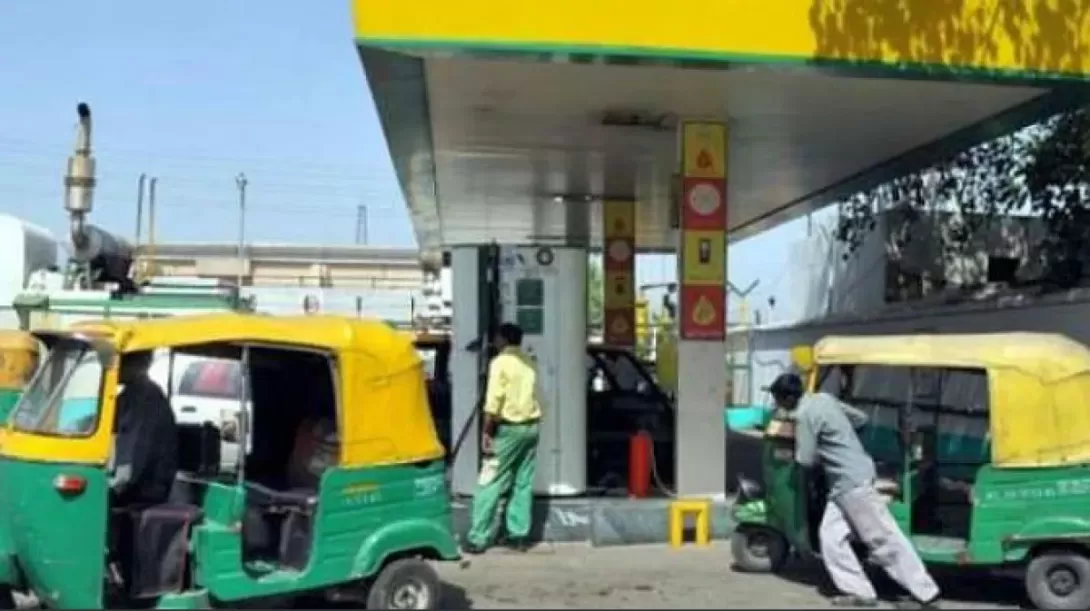
India's natural gas consumption is poised for significant growth, with projections indicating a 60% increase by 2030 and more than a doubling of demand by 2040. This surge is largely attributed to the increased use of natural gas as Compressed Natural Gas (CNG) in automobiles and its growing role in sectors like cooking, electricity generation, and industrial production.
The Petroleum and Natural Gas Regulatory Board (PNGRB) study, known as the ‘Good-to-Go’ scenario, predicts that natural gas consumption in India will rise from 187 million standard cubic metres per day (mmscmd) in 2023-24 to 297 mmscmd by 2030. By 2040, under the same moderate growth assumptions, the consumption could reach 496 mmscmd. However, the ‘Good to Best’ scenario—envisioning accelerated growth—foresees consumption levels of 365 mmscmd by 2030 and 630 mmscmd by 2040, highlighting an even more robust demand trajectory.
The Role of City Gas Distribution in Shaping Demand
A significant portion of India’s future natural gas demand will come from the City Gas Distribution (CGD) sector, which supplies CNG to vehicles and piped gas to households and industries. The CGD sector is expected to be the primary driver of gas consumption in the coming years, especially as the government continues to push for cleaner energy solutions and greater accessibility.
In the ‘Good-to-Go’ scenario, the CGD sector will account for a substantial 50 mmscmd of the 110 mmscmd of incremental gas demand by 2030, and 129 mmscmd out of the 198 mmscmd increase by 2040. The sector’s demand will surpass that of fertilizers by 2030, making it the largest consumer of natural gas in the country. By 2030, CGD is expected to account for over 87 mmscmd of the projected 297 mmscmd total consumption.
The fertilizer sector, while remaining a significant consumer, will see a slower growth rate, with consumption expected to reach 65.3 mmscmd by 2030 and 72.9 mmscmd by 2040. The power sector will also experience moderate growth, with gas consumption expected to rise to 35.7 mmscmd in 2030 and 43.5 mmscmd by 2040.
LNG Imports: Meeting the Growing Demand
India currently relies on imports to meet approximately half of its natural gas requirements. As the country’s demand for gas surges, liquefied natural gas (LNG) imports are projected to grow substantially, particularly post-2030. LNG will play a critical role in addressing the widening gap between domestic production and the rising demand for gas.
According to the study, LNG imports are set to more than double by 2030, driven by the increasing demand from sectors like transportation, power generation, and industry. This demand surge coincides with expected growth in global LNG availability, offering India significant opportunities for long-term LNG supply agreements that could lead to structurally lower prices for consumers.
LNG as a long-haul transportation fuel could also play a pivotal role in reducing the country’s dependence on diesel, especially in the trucking sector. The study highlights the potential of LNG trucking to replicate the success seen in China in reducing diesel usage. With the growth of LNG infrastructure and expanding demand for cleaner transportation options, LNG trucking could become a game-changer for India’s energy landscape.
The Government’s Push for Natural Gas in the Energy Mix
India's government has set ambitious targets to increase the share of natural gas in the country’s primary energy mix. Currently, gas accounts for just 7% of India’s total energy consumption. However, the government aims to raise this share to 15% by 2030, positioning natural gas as a crucial ‘bridge fuel’ in India’s transition to a net-zero emission future by 2070.
This policy shift is driven by the need to reduce the country’s reliance on more polluting fossil fuels, such as coal and oil, and transition towards cleaner energy sources. By encouraging the use of natural gas, India seeks to mitigate its carbon footprint while ensuring energy security and fostering sustainable economic growth.
Conclusion: A Critical Transition Towards Cleaner Energy
India’s natural gas consumption is expected to play a critical role in the country’s energy transition over the next two decades. With the rapid expansion of city gas distribution, a growing role for LNG imports, and government support for increasing the share of gas in the energy mix, the country is poised to meet the rising demand for cleaner energy alternatives.
The future growth in natural gas demand will not only support industrial and household energy needs but also drive the country’s ambition to reduce emissions and shift away from more polluting fuels. As India works towards its 2030 and 2040 energy targets, natural gas, along with LNG, will be instrumental in bridging the gap between current fossil fuel reliance and a cleaner, more sustainable energy future.
Comments