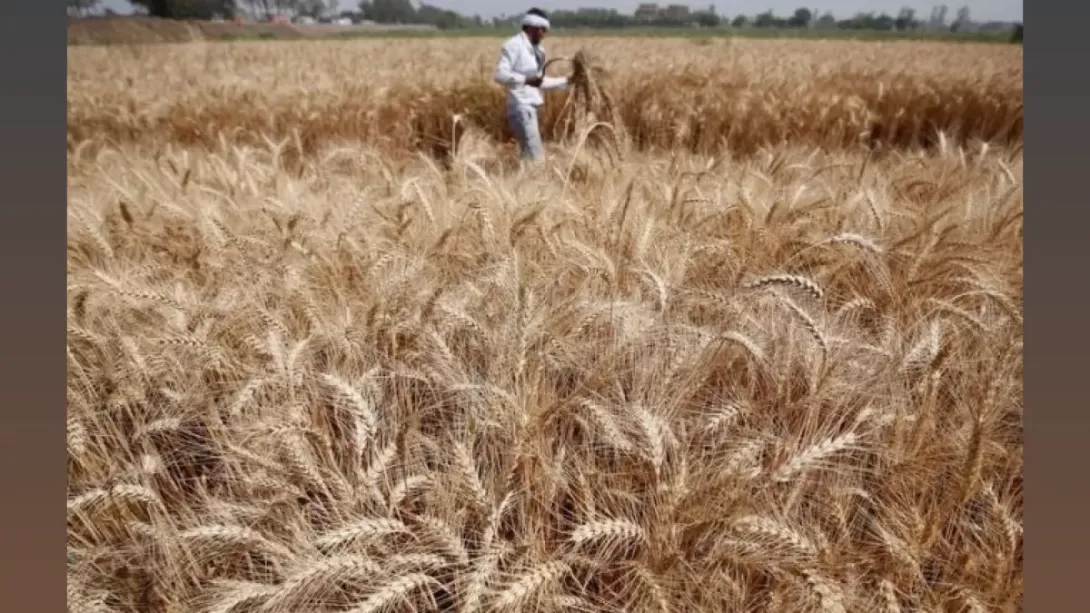
In a decisive move to simplify agricultural trade and boost farmer welfare, the Uttar Pradesh government has overhauled its wheat procurement policy. By eliminating mandatory verification for farmers selling more than 100 quintals, the administration has made it easier for producers to sell their harvest with minimal bureaucracy. The policy now allows sales up to three times the farmer's estimated production without disruptions. With over 2 lakh metric tonnes of wheat already procured and over 39,000 farmers participating, the new system underscores the government’s commitment to transparency, direct payments, and the elimination of middlemen—creating a more equitable market environment.
Reimagining Wheat Procurement in India’s Agricultural Heartland
Agriculture remains the economic backbone of Uttar Pradesh, India’s most populous state. Recognizing the urgency to reduce friction in the procurement process, the state has enacted a major policy change aimed at unshackling farmers from bureaucratic hurdles. The decision to waive verification requirements for large-scale wheat sales is not just a logistical adjustment—it is a fundamental shift in how the state approaches farmer trust, autonomy, and income protection.
This progressive reform arrives at a critical juncture, when wheat harvesting is underway across the region, and farmers require prompt, efficient mechanisms to monetize their yields.
Simplified Rules, Empowered Farmers
Under the revised procurement guidelines, registered farmers are no longer required to undergo verification to sell wheat in quantities exceeding 100 quintals. This reform not only accelerates the selling process but also eliminates delays that could previously disrupt logistics and erode profitability due to timing mismatches.
Furthermore, producers are now allowed to sell up to three times their anticipated yield based solely on registration—empowering them with greater market flexibility and reducing dependence on revenue officers or manual verification.
This change represents a significant vote of confidence in the farming community and paves the way for smoother transactions during the crucial procurement season.
Digitized Access and Decentralized Services
To enable seamless participation, farmers are encouraged to register or renew their credentials on the Food and Logistics Department’s digital platforms, including the official portal and the “UP KISHAN MITRA” mobile app. This digital-first strategy improves accessibility and ensures farmers across rural and semi-urban landscapes can access services without visiting distant offices.
Mobile procurement centres now reach farmers directly, further decentralizing the supply chain and eliminating intermediaries. This grassroots approach ensures that small and large producers alike can benefit from government procurement policies without undue influence from middlemen or third-party agents.
Transparent Payments and Daily Operations
A standout feature of the new system is the direct payment mechanism. Farmers are now paid directly into their bank accounts, bypassing traditional cash-based settlements that were vulnerable to corruption and leakage. The current Minimum Support Price (MSP) is set at ₹2,425 per quintal, with an additional ₹20 per quintal to cover logistical handling such as unloading, sieving, and cleaning.
To accommodate harvesting cycles and maximize participation, procurement centres are open daily from 8 a.m. to 8 p.m., including on holidays. The state’s responsiveness to the agricultural calendar further enhances the system’s credibility and relevance.
Real-time wheat weighing at collection points ensures accountability, while the open operational hours provide flexibility for farmers juggling field work and sales.
Market Impact and Broader Implications
Though not a publicly traded entity, the Uttar Pradesh Food and Civil Supplies Department’s reform has indirect implications for the agricultural economy and agri-tech sector. Streamlined procurement mechanisms can stabilize supply chains, improve rural liquidity, and create predictable demand patterns, which in turn benefit ancillary industries such as storage, logistics, and fintech.
Private sector agribusinesses operating in the region could also see improved efficiency in raw material aggregation, thanks to the state's commitment to transparency and scale. As such, investors and policy analysts will be watching closely to see if this model is replicated across other crops and states.
Conclusion: A Model of Agricultural Modernization
Uttar Pradesh’s procurement reform demonstrates a bold, farmer-centric approach to governance—one that places trust, technology, and transparency at the core of agricultural policy. By minimizing bureaucratic friction and ensuring fair compensation through digital means, the state is moving closer to a 21st-century agri-economy.
The initiative not only enhances operational efficiency but also signals a broader transformation in how government institutions interact with rural producers. If the momentum continues, this may well become a benchmark policy, shaping the future of crop procurement across India.
Comments