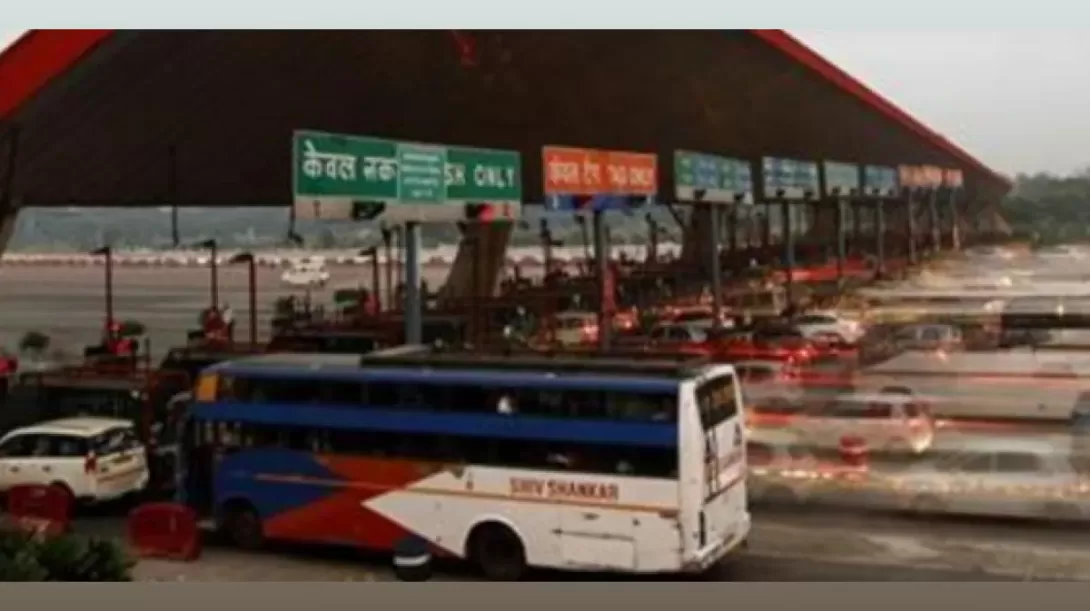
In a move poised to streamline toll payments and enhance highway mobility, the Indian government will introduce a FASTag-based annual pass priced at Rs. 3,000, effective from August 15, 2025. Exclusively designed for non-commercial private vehicles—such as cars, jeeps, and vans—the pass offers up to 200 trips across National Highways within a one-year validity. The initiative, led by Union Road Transport Minister Nitin Gadkari, aims to minimize delays at toll plazas, reduce payment hassles, and ensure cost-efficient travel through a unified, prepaid system that builds upon the existing FASTag infrastructure.
A Major Policy Shift for Private Road Users
The Ministry of Road Transport and Highways (MoRTH) has launched a bold initiative to address a growing concern among private vehicle owners: the inefficiency and repetitive nature of toll payments. From August 15, a new Rs. 3,000 FASTag-based annual pass will be introduced for all eligible non-commercial vehicles. The goal is clear—streamline highway travel, reduce wait times at toll booths, and ensure a uniform payment experience.
The pass is valid for one year or 200 trips—whichever comes first—and applies only to National Highways (NH) and National Expressways (NE). According to Minister Nitin Gadkari, this move represents a "transformative step" toward cost-effective and uninterrupted road transport for the country's expanding base of private vehicle owners.
Who Is Eligible and What’s Covered?
The annual pass is strictly limited to private vehicles such as cars, jeeps, and vans—classified under categories 'M' (passenger transport) and 'N' (goods and passenger combined)—and is not applicable to commercial vehicles. Any misuse, such as use in a commercial vehicle, will result in immediate deactivation of the pass.
The pass is valid only at NH and NE toll plazas under central jurisdiction. Toll plazas on state highways or those operated by state agencies and local bodies will not honor the annual pass, and charges there will follow the standard FASTag procedure.
Importantly, users need not acquire a new FASTag. The annual pass can be linked to an existing FASTag, provided it meets regulatory conditions such as being properly affixed, registered to a valid vehicle, and not blacklisted.
How the System Works
The pass functions on a trip-count basis. For open tolling systems—such as the Delhi-Chandigarh route—each toll plaza counts as one trip. In closed tolling models, like the Delhi-Mumbai Expressway, a round journey from entry to exit is considered a single trip. A two-way journey counts as two trips.
Once the 200-trip threshold is reached within the year, users can recharge the pass again, even if the one-year duration has not lapsed. This flexibility ensures continued convenience without forcing commuters to switch back to piecemeal toll payments.
Activation and Accessibility
The activation and renewal process will be integrated into existing digital ecosystems. A dedicated link will be launched on the Rajmarg Yatra App, as well as the official websites of the National Highways Authority of India (NHAI) and MoRTH.
Users must ensure that their FASTag is operational and correctly affixed to the vehicle’s windshield. As with regular FASTag use, the system operates via RFID (Radio Frequency Identification), enabling automatic toll deductions from a prepaid account without requiring drivers to stop.
The Broader Strategy: Efficiency, Congestion Relief, and Data-Driven Reform
This annual pass complements the government’s broader highway digitization agenda. According to MoRTH, the average daily toll collection via FASTag is under Rs. 200 crore. While private vehicles constitute over 53% of total highway passages, they contribute only 21% to toll revenue—making this group ideal for volume-based, fixed-rate payment systems.
Additionally, monthly passes currently cost Rs. 340, or Rs. 4,080 annually, for specific toll plazas. The Rs. 3,000 all-India pass provides greater flexibility and scale, making it especially beneficial for frequent highway travelers.
The move also helps address long-standing complaints over toll booths being located within short distances—sometimes less than 60 kilometers apart. The centralized, prepaid model aims to resolve disputes, reduce congestion, and streamline enforcement.
Maintaining the FASTag Ecosystem
While the annual pass adds a new layer to India’s tolling infrastructure, it is not mandatory. Existing FASTag users can continue with regular, transaction-based toll payments. The current ecosystem will remain fully operational for those who choose not to adopt the annual pass.
This ensures inclusivity across varying usage patterns—from daily commuters to occasional highway travelers—without disrupting the status quo.
Final Thoughts
The launch of the FASTag annual pass represents a progressive and well-calibrated policy decision in India’s evolving highway infrastructure strategy. By integrating cost efficiency, convenience, and modern technology into a single product offering, the Ministry of Road Transport and Highways is signaling a clear commitment to making road travel smarter, faster, and more user-friendly.
With over 10.1 crore FASTags already issued as of December 2024, the annual pass could be a major catalyst in further digitizing India's road networks—an essential step in a country that continues to see exponential growth in private vehicle ownership.
Comments