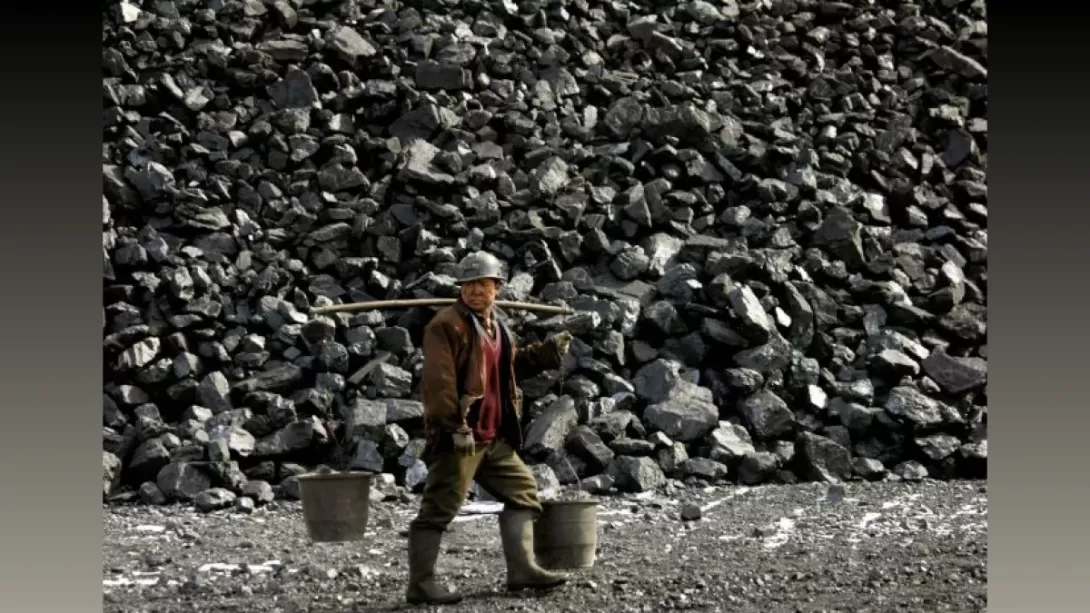
India’s coal import volumes witnessed a marginal year-on-year contraction of 1.4% during the April to February period of FY 2024–25, falling to 240.77 million tonnes. The decline is attributed to a combination of high domestic stockpiles, reduced seasonal demand, and a substantial rise in domestic coal production, which reached nearly 929 million tonnes during the same period. While imports of both coking and non-coking coal fell, the government’s focus on energy security and industrial self-reliance appears to be bearing fruit. The country is now positioning itself to weather seasonal volatility through improved infrastructure and robust supply-side strategies.
Coal Imports Taper as Domestic Capacity Gains Ground
India’s coal import activity has registered a slight deceleration over the fiscal year so far, underscoring a significant pivot toward energy self-sufficiency. From April 2024 through February 2025, the country imported 240.77 million tonnes (MT) of coal, a marginal dip from 244.27 MT during the corresponding period last fiscal year.
The retreat in import figures is largely reflective of stockpiling within domestic supply chains and a broader strategic reorientation to lessen reliance on foreign fuel. Market analysts have cited this downturn as “in line with expectations,” especially amid heightened reserves and cooling winter demand, which historically moderates power consumption.
Segment-Wise Analysis: Non-Coking vs. Coking Coal
Breaking down the import data further, non-coking coal, which is predominantly used for power generation, saw a sharper decline. Imports stood at 152.3 MT, down from 160.6 MT in the same April–February stretch of FY24. The 5% year-on-year reduction reflects a deliberate governmental push to substitute imported thermal coal with locally mined reserves.
Similarly, coking coal imports, essential for steelmaking, also experienced a contraction—from 51.9 MT to 49.7 MT. The steel sector’s relatively flat growth trajectory, coupled with an emphasis on recycling and improved blast furnace efficiency, likely contributed to reduced inbound demand for metallurgical coal.
February 2025: Month-on-Month Contraction Deepens
The trend sharpened in February 2025. Total coal imports for the month stood at 18.10 MT, down from 21.64 MT in February 2024—a notable 16.4% decline year-on-year. On a sequential basis, February’s imports represented a 15.3% drop compared to 21.4 MT recorded in January 2025.
Within that, non-coking coal imports registered 11.1 MT, significantly down from the 13.8 MT logged a year earlier. Coking coal volumes also slipped to 3.8 MT, versus 4.6 MT in February 2024. The combined dip in both segments suggests a systemic recalibration in procurement patterns—prioritizing inventory efficiency over volume accumulation.
Domestic Output Surges to Support Energy Resilience
India’s growing confidence in curbing coal imports is not unfounded. The country’s cumulative domestic coal production between April and February reached 928.95 MT, reflecting a 5.7% year-on-year increase from 878.55 MT in the same period of FY24. This ramp-up is a result of strategic investments in mine expansion, logistics modernization, and digital monitoring—driven by the Ministry of Coal.
The coal ministry emphasized that this performance not only meets the immediate power and industrial needs but also aligns with the government’s energy security agenda. Efficient production, coupled with infrastructure upgrades in transport and handling, has allowed for better stock management across power utilities and industrial clusters.
Market Outlook: Power Demand to Shape Future Imports
Industry stakeholders believe the current decline in coal imports may persist until summer sets in, which typically triggers a surge in electricity consumption due to cooling requirements. High inventories across utilities and industrial units have temporarily curbed appetite for seaborne coal.
However, if summer demand proves more intense than expected, particularly with forecasts of above-average temperatures, short-term import spikes could re-emerge. Additionally, the steel and cement sectors’ recovery in the latter half of the year could revive demand for coking coal.
In the medium term, the government’s emphasis on alternative fuels, renewable integration, and circular economy principles could further dilute coal’s share in India’s energy mix, albeit gradually.
Conclusion: A Strategic Shift, Not a Temporary Anomaly
India’s modest decline in coal imports is emblematic of a larger transformation underway in the nation’s energy ecosystem. It signifies not just improved production and logistical efficiency but also a recalibrated policy framework designed to promote resource sovereignty. While external market fluctuations and seasonal demand cycles will continue to influence short-term import trends, the overarching message is clear: India is increasingly relying on its own capabilities to fuel its economic engine.
As global energy dynamics evolve, this strategic realignment places India in a more resilient position—both economically and environmentally. Investors, policymakers, and industry leaders alike will be watching closely as the country strikes a delicate balance between growth, security, and sustainability.
Comments