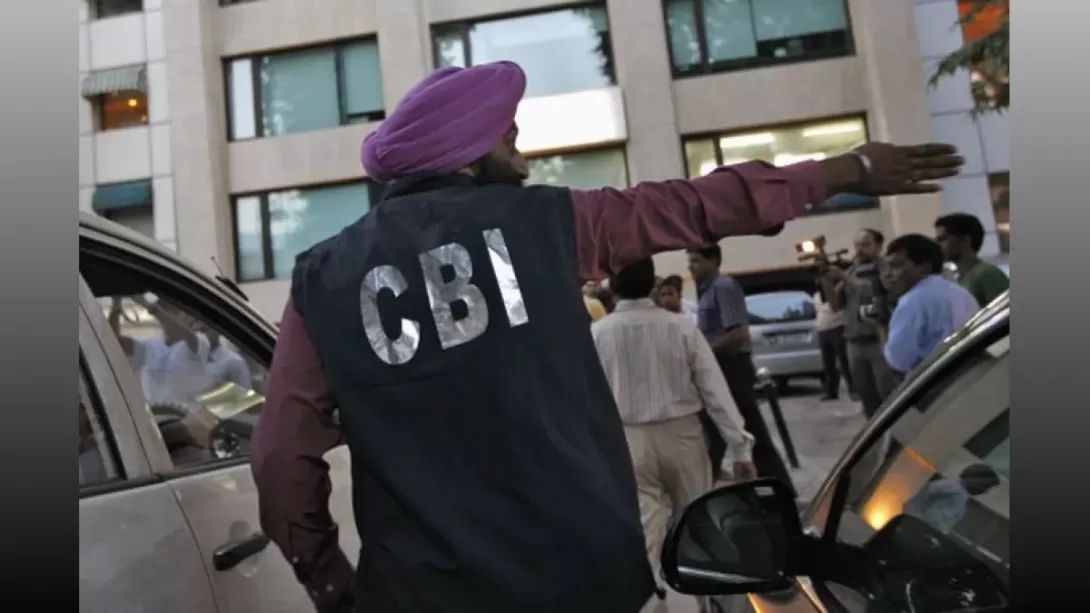
In a significant development, industrialist Ratul Puri has been discharged by courts in two high-profile banking fraud cases totalling Rs 1,101 crore involving Moser Baer Solar Limited and Moser Baer India Ltd. The Central Bureau of Investigation’s (CBI) chargesheets failed to convince the judiciary of any criminal intent, leading to dismissal of the charges at the stage of framing. Both cases, rooted in loan default allegations, were deemed civil disputes by the courts. While the CBI is pursuing revision petitions, these rulings highlight the challenges the agency faces when evidence lacks the threshold for criminal prosecution.
Judicial Findings and Case Outcomes
The banking fraud allegations against Ratul Puri stemmed from two separate CBI cases—Rs 747 crore linked to Moser Baer Solar Limited and Rs 354 crore tied to Moser Baer India Ltd. After detailed judicial review, both the special CBI court and the chief judicial magistrate (CJM) discharged Puri and other accused, finding no prima facie evidence of criminality.
In the Moser Baer India Ltd matter, Special Judge Sanjeev Aggarwal, in his May ruling, observed that the disputes bore the character of civil disagreements rather than criminal conspiracies. He clarified that while certain aspects might arouse suspicion, they failed to rise to the level of grave suspicion necessary to proceed with a criminal trial.
Similarly, in January, CJM Deepak Kumar found no mens rea, or criminal intent, in the Moser Baer Solar Limited case. He emphasised that the CBI’s argument amounted more to criticism of business practices rather than proof of deliberate fraud.
Challenges Faced by the CBI
A critical obstacle in the CBI’s case was the refusal by public sector banks—the complainants in both matters—to grant sanction for prosecution of their officials. Courts highlighted that allegations involved a composite set of actions by both company executives and bank personnel, and the absence of sanction effectively undermined the agency’s case.
Moreover, both judicial orders noted that the companies’ financial statements had been audited independently and submitted to statutory authorities, with no red flags raised at the time.
Despite these setbacks, the CBI has filed a revision petition against the discharge in the solar subsidiary case, with hearings slated for July. It is also in the process of challenging the ruling in the parent company matter.
Broader Implications for Corporate Fraud Investigations
These judgments underline a recurring tension in high-value corporate fraud investigations in India—distinguishing civil disputes from criminal misconduct. The courts’ insistence on clear, demonstrable evidence of intent to cheat or defraud reflects the legal safeguards designed to prevent criminalisation of business failure or commercial disputes.
The cases also spotlight the complexities of pursuing prosecutions without the cooperation of institutional complainants, as well as the judiciary’s scrutiny of investigative standards and procedural compliance.
As the CBI prepares for further legal challenges, these rulings may influence how future cases are framed, especially in the banking and corporate sectors where governance and intent are often intertwined.
Comments