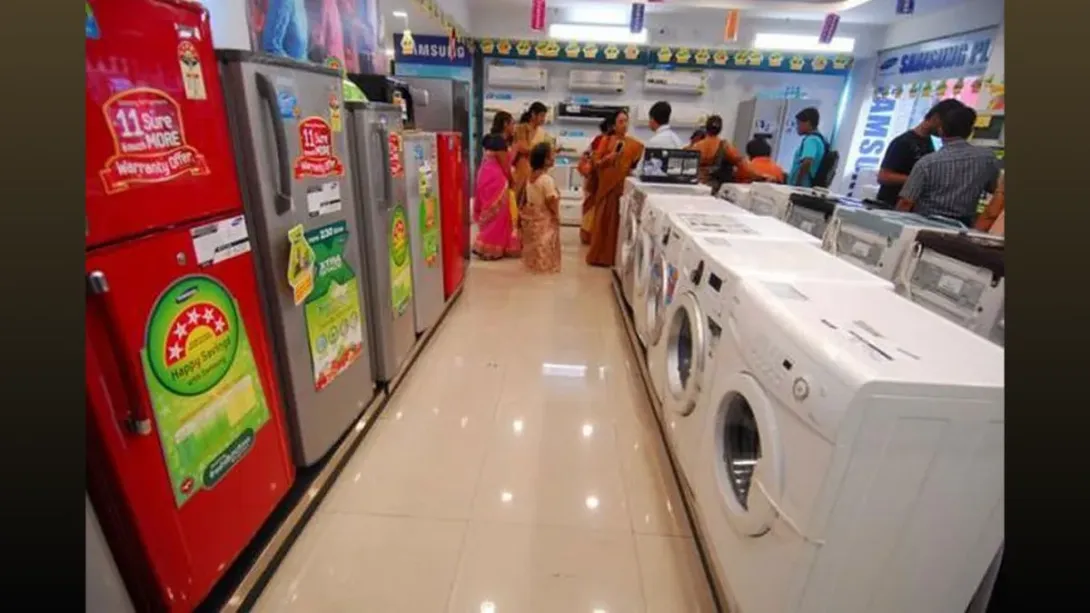
Samsung India is accelerating its push into the premium home appliance market, banking heavily on artificial intelligence and smart connectivity to reshape consumer preferences. The company expects AI-powered products to account for half its appliance sales in the first half of 2025, with projections reaching 70% by year-end. This transition coincides with the rising popularity of high-end appliances, driven by affluent, tech-savvy urban consumers. Alongside this innovation push, Samsung is expanding its retail footprint, aiming for 900 exclusive outlets across India by December. Despite short-term softness in cooling product demand, the company anticipates a strong rebound during the festive season.
AI Appliances Take Center Stage in Samsung's India Strategy
Samsung is reimagining its place in India's home appliance market with a strategic pivot toward artificial intelligence. Having recognized a surge in consumer appetite for smart, intuitive devices, the company expects AI-enabled appliances to contribute 50% of its total appliance sales in the first half of 2025, a figure it projects will climb to 70% by the close of the year. This marks a significant leap from just 10% in 2024, underscoring the rapid pace of adoption among Indian consumers.
Vice President of Samsung India’s Digital Appliances Business, Ghufran Alam, noted that Indian buyers are embracing AI not as a novelty but as a practical solution—integrated into everyday life through features that simplify chores, reduce energy consumption, and personalize user experience.
A Surge in Premium Demand: Refrigerators, Washers, and AI Combos
While the overall refrigerator and washing machine segments are expected to grow modestly in 2025, Samsung is projecting double-digit expansion within the premium subcategory. The company attributes this shift to increasing disposable incomes, urbanization, and rising digital influence—especially among aspirational middle- and upper-middle-class households.
Samsung is responding to this evolving demand with a growing suite of AI-powered appliances. Recent launches include the Bespoke AI top-load washing machines, a 300-litre frost-free refrigerator with integrated intelligence features, and the high-end AI Laundry Combo—a washer-dryer unit priced at Rs 3.19 lakh. Additional products include AI-enabled double-door refrigerators starting at Rs 44,000 and AI top-load washers beginning at Rs 24,500.
This aggressive rollout strategy is already paying dividends. Samsung now leads the premium refrigerator category in India, with the premium segment accounting for approximately 10% of the refrigerator business by value and expected to grow by 15% in 2025.
Expanding Retail Footprint to Capitalize on Growing Demand
To support its expanding product range and capture a broader audience, Samsung is strengthening its retail presence. The company plans to add 150 exclusive brand outlets across India in 2025, taking the total to 900 by year-end. This move reflects its commitment to accessibility, personalization, and regional relevance in a diverse market.
This growth in offline presence complements the rising interest in premium appliances and enhances visibility during critical shopping seasons, such as Onam, Durga Puja, and Diwali.
Navigating Short-Term Headwinds and Seasonal Volatility
Despite strong long-term prospects, Samsung has acknowledged some recent challenges. Unpredictable weather patterns in the first half of 2025 affected demand for cooling appliances like air conditioners and refrigerators. However, Alam expressed confidence in a seasonal recovery, pointing to historical sales spikes during festive periods, which often extend purchases of summer-centric appliances well beyond traditional cycles.
Interestingly, consumer reliance on air conditioners during peak summer is reportedly declining. Shoppers now exhibit more consistent demand year-round, suggesting that product seasonality is becoming less pronounced.
Revenue Snapshot: Appliances Still a Small Slice of the Pie
For fiscal year 2023-24, Samsung India reported total revenue of Rs 1.02 lakh crore. Of this, the lion’s share—Rs 71,157.6 crore—came from the mobile phone and accessories segment. The home appliances division, which includes washing machines, air conditioners, refrigerators, and microwaves, contributed Rs 11,350.1 crore.
Samsung’s top leadership remains optimistic about expanding this share. JB Park, President and CEO of Samsung Southwest Asia, recently stated the company aims to have its appliance and display businesses contribute half of the overall revenue in India within the next three years.
The Road Ahead: AI as a Cornerstone of Samsung's Vision
Samsung’s AI-first strategy is more than a technological trend—it is a foundational pillar of its future in India. From intuitive cooling systems and energy-efficient washers to personalized appliance ecosystems, the company is positioning itself not just as a manufacturer but as a lifestyle innovator.
As the Indian market matures and consumer expectations grow more sophisticated, Samsung’s calculated shift toward premium, AI-driven appliances places it squarely at the nexus of aspiration and innovation. With robust retail expansion, a diversified product pipeline, and strong brand momentum, Samsung seems poised to redefine what modern Indian households expect from their appliances.
Comments