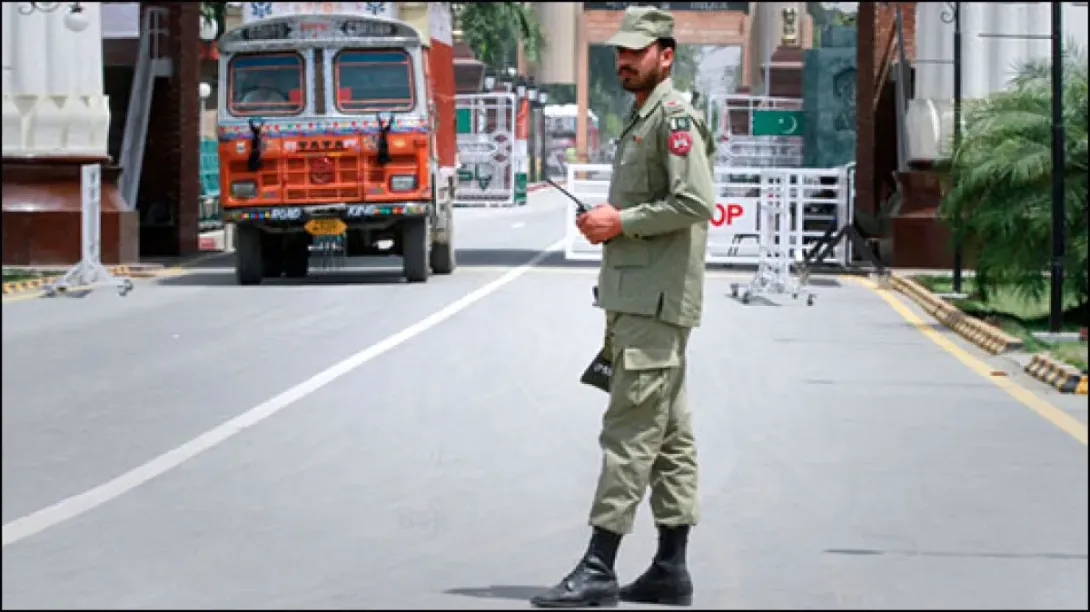
Pakistan’s leading trade organizations have voiced strong opposition to the proposed Finance Bill 2025-26, criticizing the government’s decision to empower the Federal Board of Revenue (FBR) with expansive enforcement powers. The Karachi and Lahore Chambers of Commerce and Industry caution that ignoring business sector concerns risks precipitating a severe trade crisis. The bill’s measures, perceived as hostile to commerce, come amid mounting operational challenges including energy shortages, rising costs, and liquidity constraints. Further tensions arise from a contentious minimum wage increase in Sindh, prompting fears of industrial decline and business migration to more stable markets. The collective discontent signals urgent need for government-business dialogue.
Escalating Business Concerns Over Finance Bill Provisions
Trade bodies across Pakistan have united in opposition to the sweeping enforcement authorities proposed for the FBR in the upcoming Finance Bill 2025-26. The Karachi Chamber of Commerce and Industry (KCCI) and Lahore Chamber of Commerce and Industry (LCCI) have expressed alarm at the bill’s draconian provisions, which include the power to freeze bank accounts, seize assets, and detain taxpayers solely on suspicion. KCCI President Jawed Bilwani highlighted the chilling effect on business operations, questioning the viability of running enterprises under such an oppressive regulatory regime.
Bilwani emphasized the government’s failure to incorporate recommendations from the Business Anomalies Committee—a collective of chamber presidents and trade representatives—urging reconsideration before parliamentary submission. "The proposed measures neither facilitate public welfare nor support business growth," he remarked, underscoring the absence of tangible relief for industry.
Impact of Operational Challenges on Liquidity and Trade
The business community’s grievances extend beyond fiscal policy to systemic infrastructural deficiencies. LCCI Chairman Mian Abu Zar Shad underscored the debilitating impact of escalating energy costs, erratic electricity supply, persistent gas shortages, and water scarcity. Such factors have severely strained liquidity, impairing the ability of exporters and manufacturers to fulfill orders and sustain operations.
Shad further noted that foreign trade partners are increasingly pressuring Pakistani exporters to relocate production to more business-conducive environments, threatening the country’s export competitiveness. The warnings portend potential erosion of Pakistan’s standing in global supply chains if the current economic and regulatory climate persists unaddressed.
Political Dimensions: Minimum Wage Increase and Business Migration
In addition to federal taxation concerns, business leaders have criticized the Sindh government’s proposed minimum wage hike—from Rs. 37,000 to Rs. 42,000 per month—exceeding wage levels in Punjab and Khyber Pakhtunkhwa. Industry representatives warn that such increases, absent corresponding productivity gains, could exacerbate cost pressures on manufacturers and exporters, leading to job losses and diminished industrial output.
The reaction among business circles is pronounced: public demonstrations with placards in Karachi and Lahore have condemned the Finance Bill, reflecting deep frustration. Bilwani revealed that many entrepreneurs are actively exploring options to shift operations abroad, seeking jurisdictions offering regulatory stability and economic predictability. Similar sentiments resonate strongly in industrial hubs like Faisalabad, Lahore, and Sialkot, signaling widespread apprehension across Pakistan’s commercial landscape.
Implications and Recommendations
The unfolding scenario highlights a critical juncture for Pakistan’s economic governance. The government’s apparent disregard for stakeholder engagement risks alienating the very community vital for growth and export expansion. Sweeping enforcement powers vested in the FBR, without safeguards against misuse, threaten to foster a climate of uncertainty and inhibit investment.
Addressing energy infrastructure deficiencies and moderating wage policies in consultation with industry could alleviate operational bottlenecks and restore business confidence. More fundamentally, embedding mechanisms for regular dialogue between policymakers and trade bodies will be essential to design fiscally responsible yet business-friendly regulations.
Failure to recalibrate the approach risks deepening economic malaise, aggravating capital flight, and impairing Pakistan’s trade prospects. The government’s willingness to engage constructively could define the trajectory of Pakistan’s industrial competitiveness in the coming years.
Comments