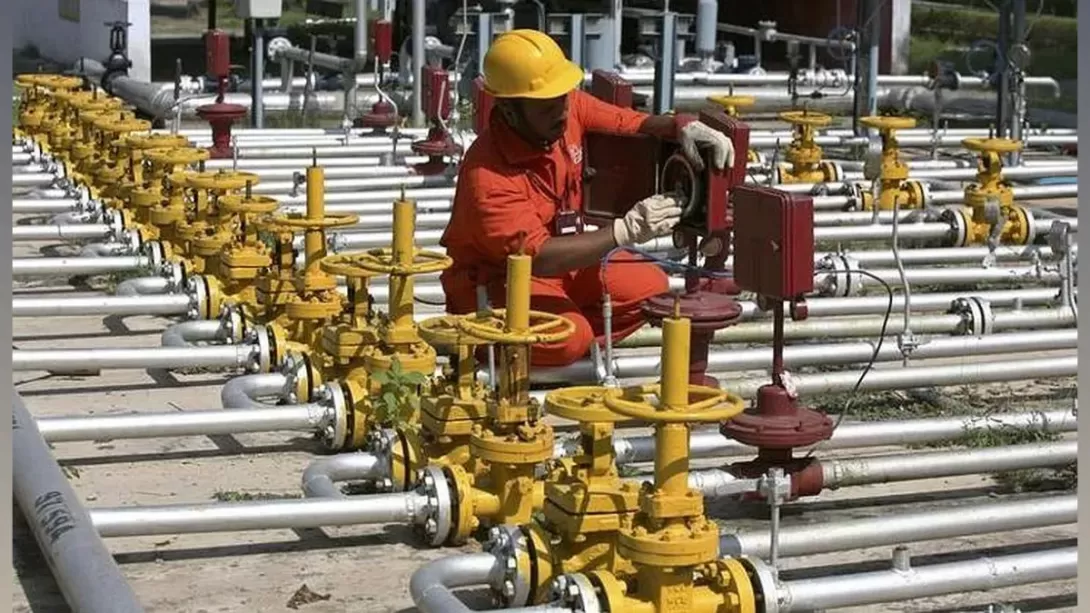
The Ministry of Consumer Affairs has proposed new regulations under the Legal Metrology (General) Rules, 2011, aimed at ensuring the accuracy and reliability of domestic, commercial, and industrial gas meters. These regulations require that all gas meters undergo testing, verification, and stamping before use in trade, helping to prevent billing disputes and protect consumers from faulty or manipulated devices. The new rules will establish a compliance framework in line with international standards and include a transitional period for industries and authorities to adapt without disrupting the gas supply chain.
New Regulations for Gas Meter Accuracy
The Ministry of Consumer Affairs has unveiled a set of proposed regulations designed to improve the accuracy and transparency of gas metering in India. Under the new framework, all domestic, commercial, and industrial gas meters must undergo testing, verification, and stamping before being used in trade. The move is aimed at addressing long-standing concerns regarding billing discrepancies and device reliability, offering an assurance of fair measurement to both consumers and businesses.
These changes come as part of the ongoing efforts to ensure consumers are protected from overcharging or under-measurement, ultimately fostering greater trust in the gas distribution system.
Ensuring Fair Billing Practices
One of the core objectives of the new regulations is to eliminate the risk of inaccurate gas billing. By requiring meters to be tested and stamped before use, the government aims to prevent faulty devices from entering the marketplace, thereby mitigating the potential for errors in measurement that could result in inflated or reduced bills for consumers. This move is particularly critical for the growing commercial and industrial sectors where accurate metering is essential for both operational efficiency and financial transparency.
The Ministry emphasized that the new rules would guarantee protection for consumers by ensuring that only verified and reliable meters are used, reducing the likelihood of disputes between gas suppliers and consumers. These safeguards aim to enhance the overall customer experience by delivering accurate billing and reducing the likelihood of meter-related issues.
Enhanced Energy Efficiency and Reduced Maintenance Costs
In addition to ensuring fair billing, the new regulations are also expected to improve energy efficiency and reduce maintenance costs. With standardized, verified meters in place, both consumers and suppliers will experience fewer technical failures, which can often lead to costly repairs and operational downtime. The ministry highlighted that by preventing faulty meters from entering circulation, the regulations will enhance the overall quality of gas delivery systems and make energy usage more predictable and manageable.
The introduction of these rules is also expected to align the Indian gas metering system with international standards, boosting consumer confidence and helping businesses meet their legal obligations more effectively.
Re-Verification Provisions and Compliance Framework
The proposed regulations also include provisions for the re-verification of gas meters currently in use. This will ensure that even older meters continue to meet the required accuracy standards over time, minimizing the potential for measurement discrepancies. Manufacturers and distribution companies will be required to adhere to a compliance framework that ensures their equipment is consistently reliable and aligned with the International Organization of Legal Metrology (OIML) standards.
This comprehensive approach will help standardize the quality of gas metering devices across the country, providing long-term benefits to both consumers and suppliers by reducing the risk of technical failures, billing disputes, and inefficiencies.
Stakeholder Consultations and Transitional Period
The government’s proposal for these new rules was developed after extensive consultations with a wide range of stakeholders, including the Indian Institute of Legal Metrology, industry experts, consumer organizations, manufacturers, testing laboratories, and state authorities. This collaborative approach ensured that the regulations would be practical, feasible, and beneficial for all parties involved.
Recognizing the potential challenges involved in implementing such sweeping changes, the government has also introduced a transitional period. This will provide both industries and regulatory authorities the time they need to adjust to the new requirements without disrupting the gas supply chain or placing undue burdens on consumers and businesses.
Conclusion: A Move Toward Greater Consumer Protection
The proposed regulations are a significant step toward improving transparency and fairness in the gas metering sector. By ensuring the accuracy and reliability of gas meters, the government aims to protect consumers from the risks of faulty or manipulated devices and foster a more efficient energy market. As the consultation period progresses and the final regulations are implemented, the new rules promise to strengthen consumer confidence, reduce maintenance costs, and support the long-term growth of the Indian energy sector.
With fair billing practices and enhanced energy efficiency at the forefront of these changes, India’s gas distribution industry is poised for a more reliable, transparent future, ensuring better services for consumers and a more robust framework for businesses operating in the sector.
Comments