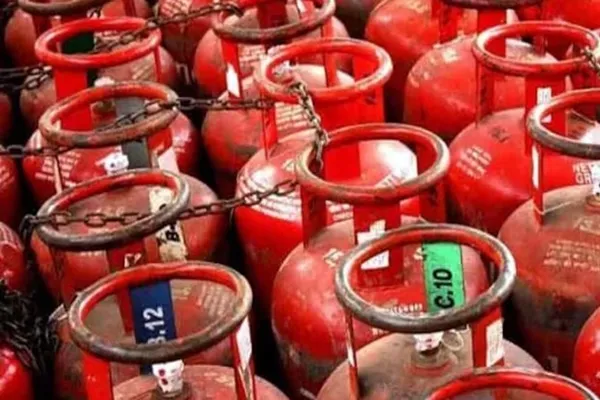
In a continued effort to ease the burden on the hospitality and service sectors, state-run oil marketing companies have implemented another price cut on commercial LPG cylinders. Effective July 1, the price of a 19-kg commercial LPG cylinder has been reduced by Rs. 58.50, bringing the new retail price in Delhi to Rs. 1,665. This marks the fourth consecutive monthly reduction since April, signaling a strategic attempt to support small businesses facing high input costs. However, the price of domestic LPG remains unchanged, prompting questions about the timing and extent of relief for household consumers.
Commercial LPG: A Series of Price Reductions Brings Relief
The latest price cut in commercial LPG cylinders adds to a steady series of reductions that began in April. In that month, prices were lowered by Rs. 41, followed by a further Rs. 14.50 cut in May and Rs. 24 in June. With July’s Rs. 58.50 decrease, commercial LPG users have seen a total decline of more than Rs. 138 per cylinder over the past four months.
This move comes as a welcome relief to restaurants, caterers, and hotels that depend heavily on LPG for their day-to-day operations. In a sector where profit margins are increasingly squeezed by inflation and supply chain volatility, a meaningful reduction in fuel expenses can have an outsized impact on bottom lines.
Why Commercial LPG Is Prioritized
Oil marketing companies typically adjust LPG rates on the first of each month based on global crude oil prices, currency exchange rates, and transportation costs. The pattern in recent months suggests a pricing strategy focused on revitalizing India’s service sectors—many of which rely on commercial LPG for business continuity.
The repeated reductions may also reflect falling international energy prices and broader economic recovery efforts aimed at restoring momentum in consumer-driven sectors post-pandemic. Importantly, while these adjustments offer commercial entities a reprieve, they underscore the widening disparity between commercial and domestic LPG pricing.
Domestic LPG Prices Remain Unchanged Since April
While commercial users have enjoyed consistent reductions, domestic consumers have seen no relief in recent months. The last price revision for the 14.2-kg domestic LPG cylinder occurred on April 7, 2025, when the cost was increased by Rs. 50.
As of July 1, the prices for domestic LPG cylinders in key Indian cities are as follows:
- Delhi: Rs. 853.00
- Mumbai: Rs. 852.50
- Kolkata: Rs. 879.00
- Chennai: Rs. 868.50
- Bengaluru: Rs. 805.50
This price stability may appear favorable at first glance, but it offers little comfort to households already burdened by rising food and utility expenses. For millions of urban and semi-urban families, LPG remains a major component of monthly budgets, and any relief would provide meaningful support.
Market Signals and Policy Considerations
In the broader context, LPG pricing is a delicate balancing act. Government policy, global energy markets, and currency volatility all factor into the final retail price consumers face each month. The differential treatment of commercial and domestic LPG may indicate a policy pivot to sustain business recovery before addressing household subsidies or reductions.
Notably, the commercial LPG rate was raised by Rs. 62 in December 2024, only to be gradually reduced in the months that followed. A minor cut of Rs. 7 was implemented in February, before this more pronounced downward trend began. These fluctuations highlight the complexities of fuel pricing in an open economy, especially when oil marketing companies must reconcile domestic priorities with international pressures.
What Lies Ahead for Consumers?
For now, the focus appears to be on alleviating pressure for businesses that contribute directly to employment and GDP growth. However, expectations remain high among domestic users for a similar reduction—especially given the global decline in crude prices in recent months.
With no official guidance yet on domestic LPG pricing changes, households continue to watch the calendar and the markets, hoping for an announcement that might bring them relief.
Conclusion: Uneven Gains in a Two-Tier Market
The July price revision provides commercial consumers with another round of welcome relief, aiding businesses in a post-COVID economic recovery. Yet, the unchanged domestic LPG prices reflect the dual priorities of India’s energy pricing strategy—supporting enterprise on one side, while cautiously managing subsidies and inflation on the other.
As market conditions evolve and fiscal policy adapts, the key question remains: when, and to what extent, will India’s households feel the benefit of falling global energy prices? Until then, the LPG story remains one of uneven—but strategic—gains.
Comments