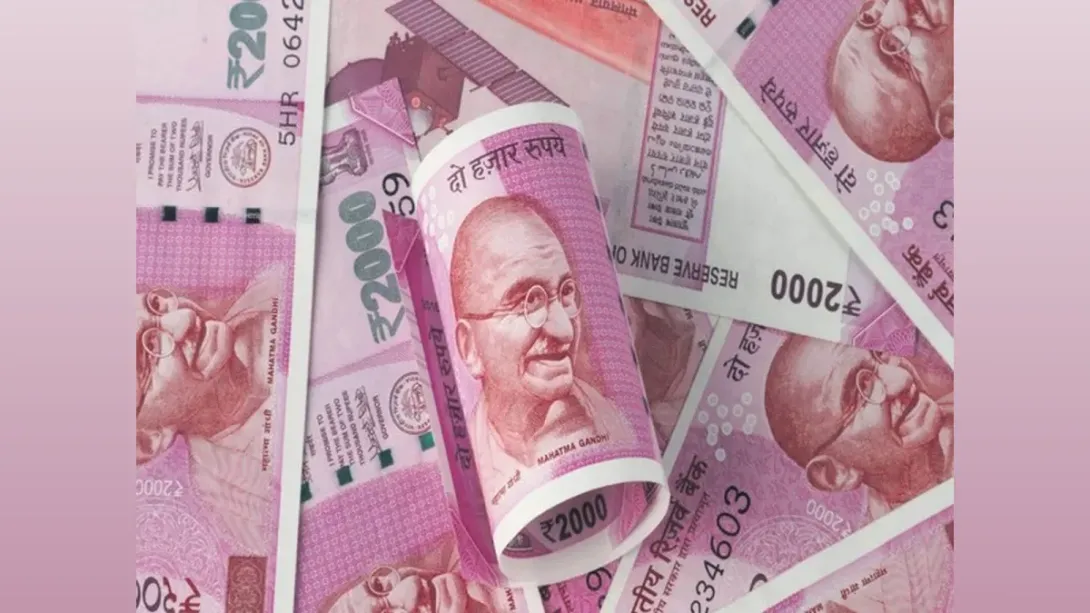
Nearly two years after the Reserve Bank of India (RBI) announced the withdrawal of Rs 2,000 banknotes, approximately Rs 6,099 crore worth of these notes remain in circulation. This figure represents just over 1.7 percent of the total Rs 3.56 lakh crore in Rs 2,000 notes outstanding at the time of the withdrawal announcement in May 2023. Although the currency continues to be legal tender, RBI has restricted exchange and deposit facilities to designated offices. The continued presence of these high-denomination notes raises questions about cash flow, currency management, and the effectiveness of demonetization policies in India.
Background: Withdrawal and Circulation of Rs 2,000 Notes
On May 19, 2023, the Reserve Bank of India declared the Rs 2,000 denomination banknotes withdrawn from active circulation, initiating a phased removal strategy aimed at regulating liquidity and curbing illicit cash holdings. At the time, Rs 3.56 lakh crore worth of these notes were in circulation, representing a substantial portion of the currency in use, given the high denomination.
Despite this move, RBI data as of June 30, 2025, reveal that Rs 6,099 crore of Rs 2,000 notes have not been returned to the banking system. This residual currency accounts for roughly 1.7 percent of the initial stock and remains legally valid for transactions across India.
Exchange and Deposit Framework: RBI’s Approach
Following the withdrawal announcement, the RBI facilitated an exchange and deposit window for Rs 2,000 notes at all bank branches until October 7, 2023. Post this deadline, the exchange facility was limited to 19 issue offices managed directly by the Reserve Bank.
Moreover, since October 9, 2023, these RBI issue offices have accepted deposits of Rs 2,000 notes for credit into individual and corporate bank accounts. This framework also extends to India Post, where customers can send these notes via post to RBI offices for processing and crediting. These arrangements aim to gradually withdraw the notes while ensuring minimal disruption to currency holders.
Implications for Currency Management and Policy
The persistence of Rs 2,000 notes in circulation, despite official withdrawal, underscores challenges inherent in managing high-denomination currency in a largely cash-driven economy. Although only a small fraction remains, the residual value highlights potential inefficiencies in the return process and raises questions about cash hoarding or informal usage.
From a policy perspective, the RBI’s gradual phase-out reflects a cautious approach balancing financial stability with anti-counterfeiting and anti-corruption goals. However, the continuing legal tender status of these notes necessitates ongoing vigilance in currency monitoring and public awareness campaigns.
Conclusion
While the vast majority of Rs 2,000 notes have been successfully withdrawn from circulation, the RBI’s data reveal that a non-negligible volume persists. This situation demands careful policy calibration to ensure the orderly management of currency and to mitigate risks associated with unreturned high-value notes. The RBI’s multi-channel deposit and exchange mechanisms demonstrate adaptive governance, yet continued efforts will be essential to fully phase out these notes and maintain confidence in India’s monetary system.
Comments