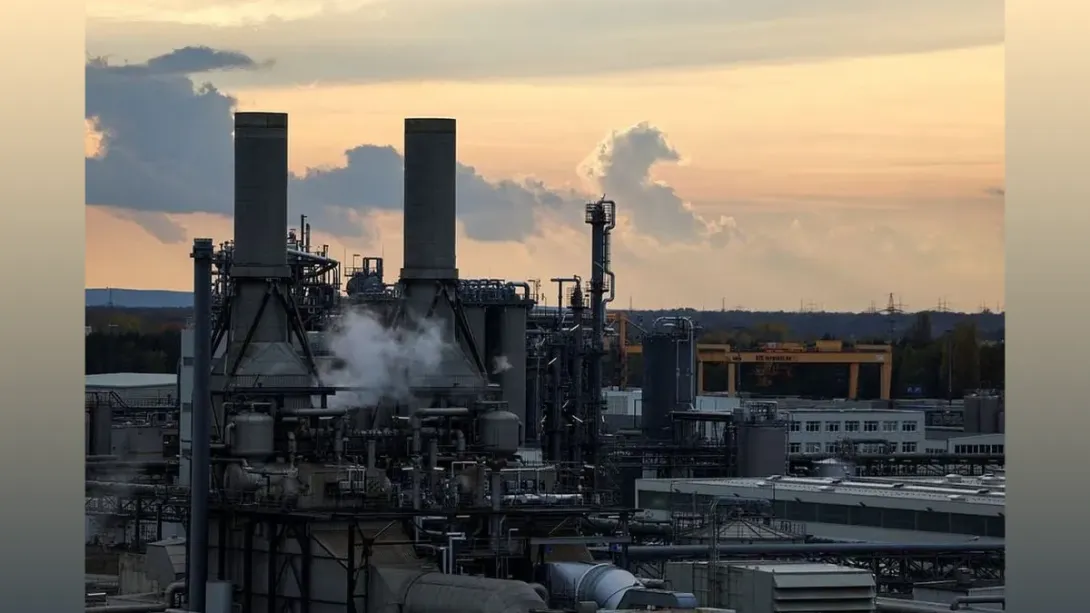
India is positioning itself to become a dominant force in global chemical manufacturing by 2040, targeting an ambitious output of USD 1 trillion. A recent report by NITI Aayog, Chemical Industry: Powering India’s Participation in Global Value Chains, lays out a detailed strategy to enhance India’s share in global value chains (GVCs), expand employment opportunities, and reduce import dependence. The blueprint outlines sweeping structural reforms—ranging from infrastructure development and regulatory modernization to policy interventions and skill development—to realize the sector's untapped potential and transform India into a globally competitive chemical powerhouse.
Unlocking Global Competitiveness Through Infrastructure and Clusters
Central to the strategy is the establishment of world-class chemical hubs and the development of eight high-potential port-based infrastructure clusters. These clusters are envisioned as integrated zones with state-of-the-art facilities, capable of facilitating both upstream and downstream chemical activities. Such clusters would address logistics bottlenecks, streamline operations, and serve as global manufacturing and export bases.
The report recommends setting up an empowered central committee to oversee the sector's strategic direction and a dedicated chemical infrastructure fund to finance shared utilities, viability gap funding (VGF), and other enabling services. At the hub level, administrative bodies would be tasked with local governance and operational oversight, ensuring efficiency and accountability in project execution.
Trade Deficit and Feedstock Dependence: A Strategic Weakness
India’s chemical sector is currently constrained by structural inefficiencies. The nation’s chemical trade deficit stood at USD 31 billion in 2023, driven largely by a dependence on imported petrochemical feedstock and specialty chemicals. This over-reliance has exposed domestic manufacturers to global price volatility, single-country sourcing risks, and supply chain disruptions.
To counter these vulnerabilities, the report proposes incentivizing incremental domestic production of chemicals that currently dominate India’s import bill, particularly those with high export potential or strategic importance in critical end-markets. This would not only reduce import dependence but also encourage backward integration in the domestic supply chain.
Environmental Regulation and R&D: The Need for Institutional Reforms
One of the most pressing challenges the industry faces is delays in environmental clearances, which often stall investment and increase project timelines. To address this, the report suggests establishing an audit committee under the Department for Promotion of Industry and Internal Trade (DPIIT). This body would oversee environmental compliance timelines, promote transparency, and provide greater autonomy to expert appraisal committees (EACs) involved in the process.
Equally critical is the need to boost investment in research and development (R&D). India currently allocates just 0.7 per cent of investment in chemical R&D—significantly lower than the global average of 2.3 per cent. This underinvestment limits innovation in high-value sectors such as green chemistry, sustainable manufacturing, and advanced materials. Increasing R&D outlays would accelerate indigenous technology development and reduce reliance on imported innovations.
Skill Development: Bridging the Talent Gap
India's chemical sector also suffers from a 30 per cent shortage in skilled professionals, particularly in emerging subfields such as nanotechnology, process safety, and green manufacturing. To achieve the envisioned scale of growth, the sector must prioritize workforce development. This includes not only enhancing technical education and vocational training but also aligning curricula with evolving industry needs.
Skill development initiatives must focus on fostering interdisciplinary expertise, enabling Indian professionals to lead in both traditional chemical engineering and new-age applications.
Strategic Trade Policy: Strengthening Global Integration
On the international front, the report advocates for chemical-sector-specific Free Trade Agreements (FTAs). These agreements should include tariff quotas, duty exemptions on key feedstocks, and industry-focused protections to level the playing field for Indian manufacturers in global markets.
A carefully negotiated trade strategy could unlock new export markets, attract foreign direct investment (FDI), and embed India more deeply into global supply chains.
Toward a Trillion-Dollar Industry: Final Reflections
India's goal of becoming a USD 1 trillion chemical economy by 2040 is bold but attainable—provided that policy actions match ambition. The NITI Aayog report offers a comprehensive roadmap that blends infrastructure development, fiscal incentives, regulatory reform, and human capital enhancement.
If implemented decisively, these measures could elevate India’s current 3.5 per cent share in global chemical value chains to 12 per cent by 2040, while generating 700,000 additional jobs by 2030. Beyond economic metrics, such transformation would position India as a key player in sustainable and resilient global manufacturing networks.
Comments