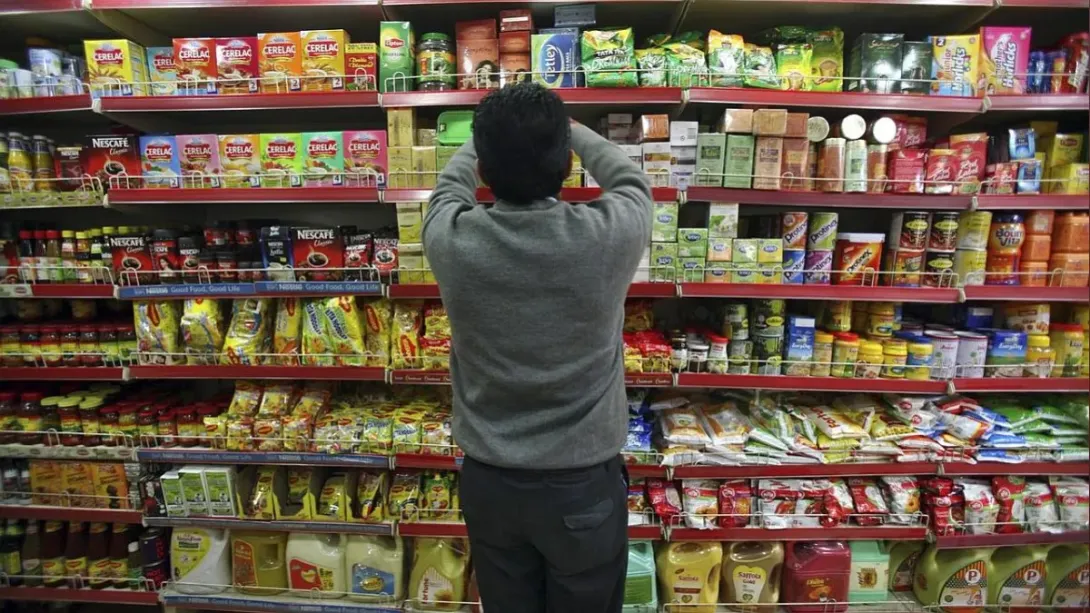
India’s fast-moving consumer goods (FMCG) industry navigated a turbulent first quarter of FY26, contending with unseasonal rainfall, a shortened summer, and input cost inflation that collectively hindered topline and margin growth. While demand saw a modest revival—especially in urban centers—major players like Marico, Dabur, and Godrej Consumer Products reported pressure on profitability and only low-single-digit revenue or volume increases. Despite these challenges, certain product categories and international operations provided resilience. Looking ahead, industry leaders expect gradual recovery, underpinned by easing inflation, a favorable monsoon, and stable rural and urban demand patterns.
Weather and Cost Pressures Cloud Growth Prospects
The FMCG sector’s financial performance for the April–June quarter of FY26 has been adversely impacted by macro-environmental headwinds. Unseasonal rains and a truncated summer season negatively influenced seasonal product categories, particularly beverages and skin care, disrupting typical consumption patterns.
Input cost inflation—especially in key raw materials such as copra—further strained operating margins. Companies struggled to fully offset these rising costs, despite efforts to recalibrate pricing strategies and optimize supply chains.
As a result, firms such as Marico and Godrej Consumer Products (GCPL) forecast only modest operating profit, while Dabur projected that its consolidated operating profit growth would marginally trail revenue expansion for the quarter.
Urban Markets Lead Modest Demand Revival
Despite adverse external conditions, FMCG companies reported a sequential recovery in volume growth during the June quarter, largely led by resilient demand in urban markets. Organized retail channels, including modern trade, e-commerce, and quick commerce, continued to expand their reach, sustaining momentum in both metropolitan and Tier II/III cities.
Marico observed stable demand trends across channels and noted early signs of revival in rural consumption, a segment that had been under stress in previous quarters. The company remains cautiously optimistic that a good monsoon season and continued policy support will drive broader recovery in the months ahead.
Company-Specific Performance Highlights
Godrej Consumer Products Ltd (GCPL):
GCPL expects high single-digit value growth in the quarter, primarily driven by volume expansion in its standalone India business. However, it acknowledged that its EBITDA margin remains below the normative range, attributing this to pricing pressure and elevated input costs.
The company faced increased competition in Indonesia—its second-largest market—where aggressive pricing across categories is expected to flatten volume growth. In contrast, its GAUM (Godrej Africa, USA, and Middle East) business reported robust double-digit value and volume growth, marking the second consecutive quarter of healthy profitability in those regions.
Dabur India Ltd:
Dabur forecast low single-digit revenue growth for the June quarter due to the underperformance of its beverages segment, which was affected by erratic weather patterns. However, its home and personal care (HPC) division showed strong traction, led by brands such as Dabur Red Toothpaste, Odonil, Odomos, and Gulabari.
In the healthcare portfolio, legacy products like Dabur Honey, Hajmola, and Honitus, along with health juices, recorded robust double-digit growth. Dabur’s international business is also projected to report double-digit growth in constant currency terms.
Marico Ltd:
Marico cited modest operating profit growth due to continued inflation in input costs—particularly copra, which saw added volatility from irregular rainfall. While the easing of vegetable oil prices and range-bound crude oil derivatives provided some relief, margins remained under pressure, especially when compared against a high base in the previous year.
Nonetheless, the company delivered strong constant currency growth in its international operations, buoyed by broad-based demand across markets.
Outlook: Gradual Recovery Expected
Industry players maintain a cautiously optimistic view for the remainder of FY26. The FMCG sector is expected to benefit from softening inflation, better rural demand due to a favorable monsoon, and ongoing strength in urban consumption. Analysts believe the confluence of supportive macroeconomic factors and strategic channel investments will help stabilize earnings and return margins to healthier levels.
Furthermore, the continued expansion of organized trade channels and the integration of digital commerce strategies are likely to create new opportunities for growth and consumer engagement.
Conclusion
The June quarter of FY26 has tested the resilience of India's FMCG sector, revealing both vulnerabilities and adaptability within the industry. While weather-related disruptions and cost pressures muted topline and bottom-line performance, firms like Marico, Dabur, and Godrej Consumer Products have demonstrated strategic agility in managing core portfolios and expanding in international markets.
As the macroeconomic environment stabilizes and structural demand drivers regain momentum, the sector is expected to rebound gradually, with premiumization, health-conscious consumption, and rural penetration remaining central to long-term growth.
Comments