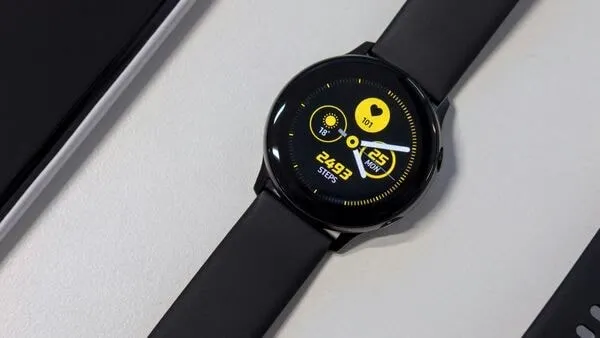
Samsung’s forthcoming Galaxy Watch 8 series is poised to make a technological leap by incorporating Google’s Gemini AI, ushering in a new era of intuitive, conversational voice control. This strategic collaboration aims to elevate the smartwatch user experience by moving beyond scripted commands to more natural, context-aware interactions. For Samsung, it represents a decisive step in bolstering the appeal of its wearable ecosystem amid intensifying competition, while for Google, it underscores a growing ambition to embed Gemini’s generative capabilities across diverse consumer hardware. The move also hints at broader shifts in how AI-driven interfaces may reshape the personal tech landscape.
A Strategic Alliance Anchored in Advanced AI
Samsung’s decision to integrate Google’s Gemini AI into the Galaxy Watch 8 series underscores a calculated push to future-proof its wearable lineup. While previous iterations relied heavily on Google Assistant for basic queries and tasks, Gemini brings a far more sophisticated language model to the wrist.
Unlike traditional assistants that depend on narrowly defined prompts, Gemini can parse nuanced language, maintain contextual continuity, and even anticipate follow-up questions—traits that promise to make the smartwatch experience significantly more fluid and personalized.
Transforming Voice Commands into Conversational Intelligence
At the heart of this upgrade is Gemini’s capacity for natural dialogue. Instead of rote interactions, users may soon issue layered or casually phrased commands—such as “Remind me to book a doctor’s appointment when I reach office”—and expect the watch to process intent seamlessly.
This shift aligns with a broader trend in consumer technology where static voice interfaces are giving way to AI systems capable of deeper understanding and proactive suggestions. It’s a development with meaningful commercial implications, as more intuitive voice control could drive higher engagement and position smartwatches as indispensable personal assistants.
Competitive Dynamics and the Race for AI Differentiation
For Samsung, embedding Gemini is not just about adding a new feature; it’s a tactical maneuver in the escalating battle for wearable market share. Rivals like Apple have long integrated tightly woven hardware-software ecosystems, with Siri evolving steadily toward greater contextual awareness. By partnering closely with Google, Samsung gains access to next-gen generative AI without the steep R&D costs of building its own language models from scratch.
Meanwhile, Google stands to benefit by showcasing Gemini’s prowess in a high-visibility consumer product, reinforcing its credentials in ambient computing—a strategic frontier that could extend from wearables to home devices and beyond.
Financial and Market Implications
From an industry standpoint, this collaboration is emblematic of how AI is becoming a critical lever in sustaining growth across mature hardware categories. Smartwatch shipments globally are projected to rebound as advanced health tracking, AI-enhanced coaching, and now conversational interfaces rejuvenate demand. Analysts note that such partnerships also mitigate competitive risks; by embedding Google’s software deeply into Samsung hardware, both firms strengthen interdependencies that can blunt encroachment by other tech giants.
For consumers, the immediate allure lies in richer interactions—whether managing schedules, querying fitness metrics, or navigating daily routines—all without the stilted exchanges that have historically limited voice assistants.
Looking Ahead: Wearables as AI-First Devices
Ultimately, the Galaxy Watch 8’s embrace of Gemini signals a future where wearables serve as on-the-go gateways to highly personalized, conversational computing. As generative AI continues to evolve, watches may shift from being secondary screens for notifications to primary hubs of cognitive assistance—capable of synthesizing information, offering insights, and learning user preferences with unprecedented subtlety.
This emerging paradigm carries profound implications not just for how devices compete, but for the very nature of human-machine interaction. With the Galaxy Watch 8, Samsung and Google are taking an early stride into this AI-centric frontier, setting a high bar for what tomorrow’s smartwatches might achieve.
Comments