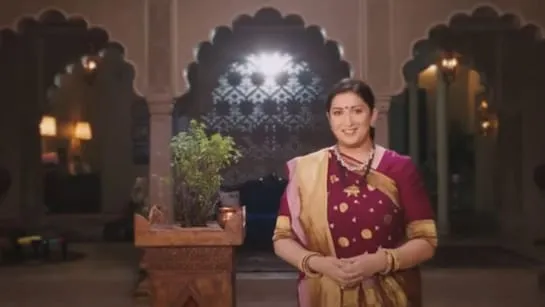
Union Minister Smriti Irani recently offered a candid perspective on how she views her professional identity, describing herself as a “part-time actor and full-time politician.” Her statement underscores a decisive shift from her days in television fame to her entrenched role in India’s political landscape. Beyond just a personal admission, Irani’s remarks shed light on the complexities of balancing legacy careers with public office. As India continues to see crossovers between entertainment and governance, her reflections carry weight, offering insight into how public figures navigate credibility, governance priorities, and the demanding expectations of a diverse electorate.
From Television Stardom to Parliamentary Responsibilities
Smriti Irani’s transition from household television name to cabinet minister has been nothing short of remarkable. Known across Indian living rooms for her iconic portrayal in daily soaps, she pivoted to politics with the Bharatiya Janata Party, eventually securing a high-profile victory against Congress scion Rahul Gandhi in Amethi — a political upset that redefined contemporary electoral narratives.
Her remark about being a “part-time actor” is less a confession of professional nostalgia and more an affirmation of her unwavering focus on governance. In interviews and public speeches, Irani has emphasized that her commitment lies squarely with her ministerial responsibilities, effectively distancing herself from any speculation that entertainment could overshadow her political duties.
The Financial and Governance Lens: Managing Dual Legacies
In India, the intersection of celebrity and politics often invites scrutiny — especially from investors, industry stakeholders, and voters who demand full accountability. Irani’s declaration helps consolidate her image as a leader who prioritizes administrative work over past artistic pursuits. This is significant for policy continuity, investor confidence, and bureaucratic stability.
Moreover, such clarity resonates well with governance-focused metrics. Ministries under Irani’s stewardship have overseen critical initiatives impacting skill development, textiles, and women’s welfare, each with substantial budget allocations running into thousands of crores. Her unequivocal stance on her priorities helps ensure that these public funds are seen as managed by leaders fully invested in their portfolios, which is crucial for maintaining both domestic and international trust.
Navigating Public Perception and the Burden of Celebrity
Unlike many who attempt to juggle dual careers, Irani’s articulation suggests she is keenly aware of the reputational risks tied to perceived divided attention. In a democracy as vast and diverse as India’s, such perceptions can influence electoral outcomes and legislative traction. By positioning herself squarely as a “full-time politician,” Irani is effectively reinforcing her accountability to the public.
Her choice of words also provides a subtle commentary on how entertainers-turned-politicians must work doubly hard to gain acceptance as serious lawmakers. This implicit acknowledgment may resonate with business leaders and constituents alike, who often look for unwavering dedication, especially in ministries tied closely to social infrastructure and industrial growth.
A Broader Reflection: Celebrity Politicians and India’s Democratic Fabric
Irani’s candid framing of her dual identity highlights a larger theme prevalent in India’s evolving democracy — the increasing movement of cultural icons into political spheres. While this fusion often boosts initial visibility, long-term success is determined by governance outcomes, legislative impact, and the ability to steer complex ministries.
Her remarks thus serve as both personal positioning and a subtle advisory to peers: that public service demands singular focus, beyond the allure of former glories. For market watchers, policymakers, and citizens alike, such clarity can only bolster confidence in the integrity of democratic institutions.
Comments