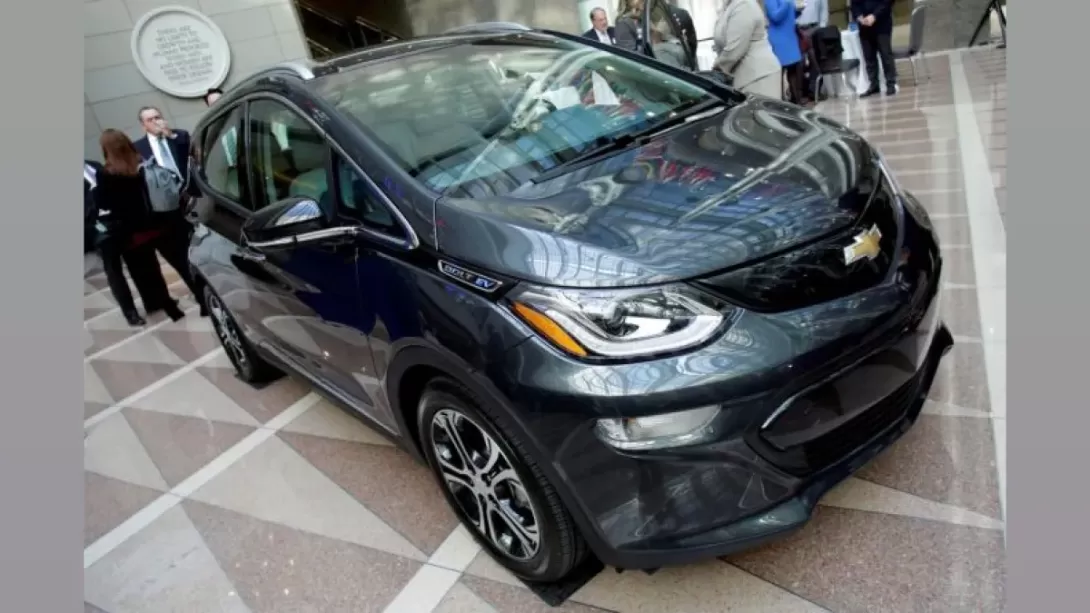
India's automotive market is undergoing a transformative shift driven by evolving consumer preferences, rising trust in data-powered technologies, and ongoing affordability pressures. According to Deloitte’s 2025 Global Automotive Consumer Study, Indian consumers are increasingly open to sharing personal data in exchange for smart features like anti-theft tracking—highlighting a growing embrace of intelligent mobility. While enthusiasm for electric vehicles is climbing, practical concerns about infrastructure and cost persist. Simultaneously, younger consumers are signaling a generational pivot away from traditional car ownership toward Mobility-as-a-Service (MaaS) models. This article unpacks these trends, offering a comprehensive view of the forces reshaping India's automotive landscape.
Rising Trust in Data-Driven Mobility Solutions
In a notable departure from global averages, 88% of Indian consumers are now willing to share personal information with automotive manufacturers or third parties for features like anti-theft tracking. This is substantially higher than the 60% recorded in the United States, according to Deloitte’s 2025 Global Automotive Consumer Study.
This trend reflects a broader cultural and technological shift: Indian consumers are increasingly embracing data-driven solutions as part of the vehicle ownership experience. The findings suggest that privacy concerns, while still relevant, are being outweighed by the perceived benefits of safety, security, and convenience. This marks a significant inflection point for automakers, who now have broader license—if not responsibility—to integrate smart, AI-enabled features within their platforms.
Embracing Technology: AI and Connectivity Lead the Way
India's automotive consumers are not just data-friendly—they are also optimistic about the role of artificial intelligence. The study found that 82% of respondents view AI technologies as beneficial, particularly when used to enhance safety, navigation, and infotainment systems.
Additionally, vehicle-smartphone connectivity ranks high among priorities, reinforcing the demand for seamless digital ecosystems. This is in sharp contrast to markets like Japan and Germany, where price still outweighs digital features in influencing consumer behavior.
Quality Over Price: A Value-Conscious Market
Despite the surge in digital enthusiasm, quality remains the cornerstone of purchasing decisions. Approximately 62% of Indian respondents cited product quality—including safety standards—as their foremost consideration when evaluating their next vehicle. This puts Indian consumers in a unique bracket: highly tech-forward but not at the expense of fundamental mechanical performance.
In terms of brand loyalty, the market is remarkably fluid. A staggering 72% of consumers indicated a willingness to switch brands, with only China (76%) demonstrating greater openness. This brand fluidity underscores the competitive pressures automakers face in retaining market share—especially in a landscape that increasingly rewards innovation and reliability over legacy branding.
EV Adoption: Growing Interest Meets Infrastructure Constraints
India's electric vehicle (EV) segment continues to gain traction, propelled by sustainability awareness and long-term cost benefits. However, practical obstacles remain. The survey highlights that while there is rising interest in battery electric vehicles (BEVs) and hybrid models, internal combustion engine (ICE) vehicles remain a strong consideration—driven by cost efficiency and anxiety over EV charging availability.
Indeed, 36% of surveyed consumers emphasized fast-charging capabilities as a critical requirement, illustrating escalating expectations from the country’s underdeveloped EV infrastructure. The slow pace of investment in reliable and widespread charging networks continues to be a bottleneck that could stifle broader EV adoption unless adequately addressed.
Rajat Mahajan, Partner and Automotive Sector Leader at Deloitte India, noted, “The EV movement is gaining undeniable momentum… yet barriers such as charging infrastructure, upfront costs, and battery longevity continue to influence consumers.”
Generational Shifts and the Rise of MaaS
A particularly revealing insight from the study involves changing attitudes toward car ownership. Among younger demographics—specifically those aged 18–34—70% expressed openness to replacing car ownership with Mobility-as-a-Service (MaaS) alternatives. This indicates a paradigm shift, where urban convenience, flexible subscriptions, and shared mobility solutions are beginning to outweigh the traditional appeal of owning a private vehicle.
This trend mirrors shifts seen in other rapidly urbanizing countries and could signal a long-term restructuring of India’s automotive business model—from product-centric to service-centric.
Conclusion: A Market at the Crossroads
India's automotive industry is navigating a landscape characterized by heightened consumer sophistication, openness to digital solutions, and a reevaluation of ownership norms. Trust in technology is on the rise, yet practical limitations—especially in EV infrastructure—continue to influence choices. At the same time, brand loyalty is diminishing, and a generational rethink around car ownership could redefine the industry's future.
For automakers, this is both a challenge and an opportunity. The road ahead will require not just innovation, but agility—balancing the ambitions of a tech-savvy, value-conscious consumer base with the infrastructural realities of one of the world’s fastest-growing auto markets.
Comments