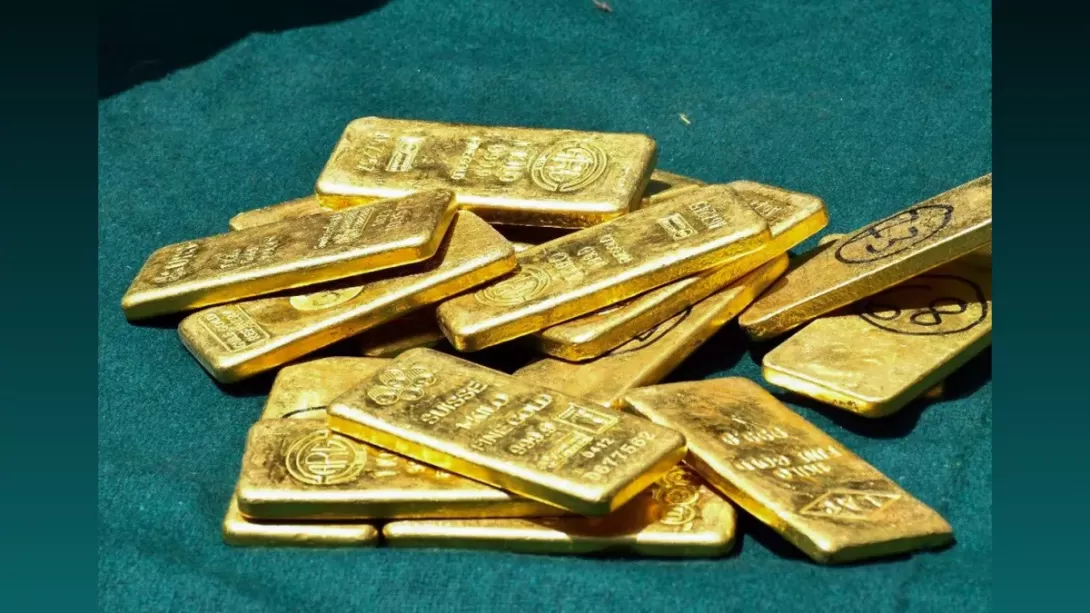
Gold prices surged to unprecedented levels on Wednesday, with the yellow metal reaching Rs 98,100 per 10 grams in the national capital. This surge is primarily driven by the ongoing trade war between the United States and China, which has spurred a global rush toward safe-haven assets like gold. Analysts suggest that escalating geopolitical tensions and fears over a prolonged trade conflict are further amplifying the appeal of precious metals. Meanwhile, silver also saw a significant rise, reflecting broader market concerns. As the global economy braces for potential disruptions, gold remains a top choice for investors seeking refuge.
Gold Prices Soar to Historic Levels
On Wednesday, the price of gold in India jumped by Rs 1,650, hitting an all-time high of Rs 98,100 per 10 grams. This marked a significant milestone, surpassing the previous record. The All India Sarafa Association reported that gold, with 99.9% purity, closed at Rs 96,450 per 10 grams on Tuesday before the surge. Likewise, gold of 99.5% purity surged by Rs 1,650, reaching Rs 97,650 per 10 grams, up from Rs 96,000 the day before. The rise in gold prices is reflective of broader market conditions, as global concerns about trade wars, inflation, and interest rates continue to push investors toward safe-haven assets. Analysts attribute the rise to a mix of geopolitical uncertainties and shifting economic expectations, notably from the United States.
Global Trade Tensions Drive Safe-Haven Demand
The rally in gold comes amid an intensifying trade conflict between the United States and China. U.S. President Donald Trump recently announced an investigation into the necessity of tariffs on critical minerals, further increasing market anxiety. On Wednesday, the U.S. administration raised tariffs on most Chinese goods to 245%, exacerbating the already volatile situation. These developments have contributed to heightened demand for gold, a traditional hedge against uncertainty. Kaynat Chainwala, AVP of Commodity Research at Kotak Securities, noted that the surge in gold prices is closely linked to growing trade war concerns, particularly after the U.S. government imposed tighter export regulations on China. The escalating trade tensions have not only destabilized global markets but have also made precious metals a preferred investment choice, as investors look to shield their portfolios from economic volatility.
Silver Prices Also Surge
Silver, too, experienced a notable price increase, rising by Rs 1,900 to reach Rs 99,400 per kilogram. On Tuesday, silver had closed at Rs 97,500 per kilogram. This surge mirrors the rise in gold, with investors flocking to silver as another safe-haven asset amid market turmoil. Internationally, silver prices also gained ground. During Asian market hours, spot silver rose nearly 2% to USD 32.86 per ounce. Silver often tracks gold’s price movements, and its upward trajectory signals broader investor sentiment toward precious metals amid global uncertainties.
The U.S. Dollar and Interest Rate Expectations
A critical driver behind the gold price surge is the weakening of the U.S. dollar. The U.S. dollar index, which measures the greenback against a basket of currencies, slipped below the 100-mark, nearing its lowest levels in three years. The dollar's decline has contributed to the price rise of gold, as the precious metal is priced in U.S. dollars globally. When the dollar weakens, gold becomes more attractive to foreign investors. Chintan Mehta, CEO of Abans Financial Services, highlighted that gold’s recent highs are also being fueled by expectations of potential interest rate cuts from the U.S. Federal Reserve. As markets await a key speech from Federal Reserve Chair Jerome Powell, there is growing anticipation that the central bank may adopt a more dovish stance to counteract the economic pressures stemming from trade tensions.
Global Gold Market Dynamics: Central Bank Involvement
Gold’s bullish trend is also being supported by major central banks and continued inflows into gold-backed exchange-traded funds (ETFs). Many global financial institutions remain positive on gold’s outlook, citing sustained demand from central banks and investors. These factors suggest that gold’s price could remain elevated, or even rise further, as institutional and retail investors continue to seek refuge from the uncertainties in the global economy. The outlook for gold appears increasingly bullish as geopolitical tensions continue to escalate and global economic uncertainties loom. The metal’s appeal as a safe-haven asset, coupled with the weakening dollar and dovish monetary policy expectations, positions it well for sustained gains in the foreseeable future.
Conclusion: Gold’s Resilience in a Tumultuous Global Economy
Gold has proven itself as a resilient and reliable asset in times of economic turbulence, and its performance this week reflects this enduring appeal. As the global trade war between the U.S. and China shows no signs of abating, and with the U.S. dollar weakening, investors are flocking to gold in record numbers. The precious metal’s surge to new highs underscores the growing concerns about the future of the global economy and the increasing demand for safe-haven assets. While gold prices are expected to remain elevated in the near term, the market will closely watch developments surrounding trade negotiations and central bank policies. For now, however, gold continues to shine as a beacon of stability amidst growing uncertainty.
Comments