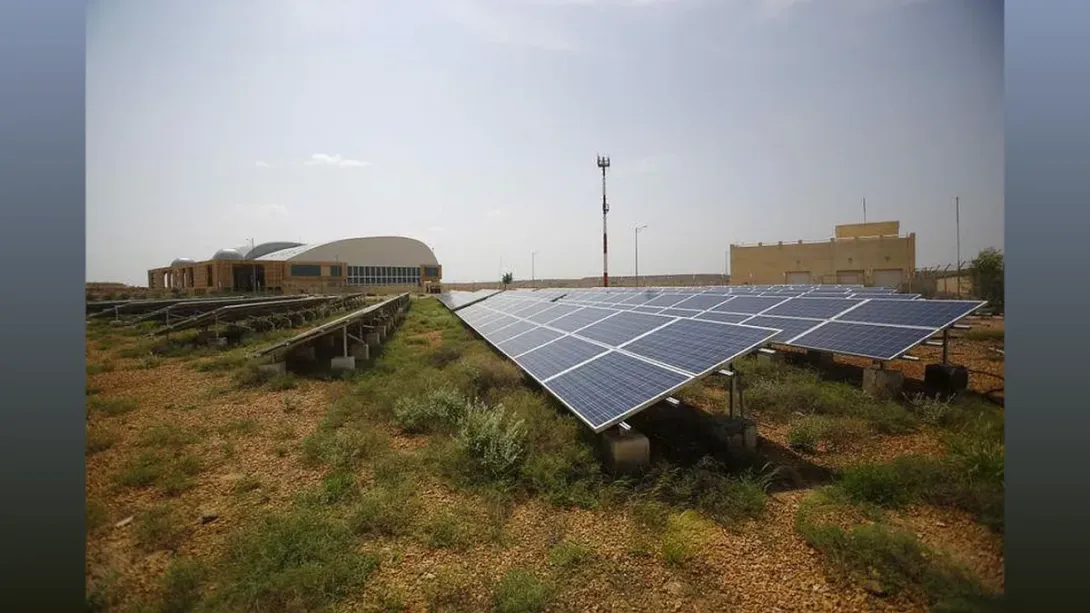
India has achieved a major climate milestone by reaching 50% of its installed power generation capacity from non-fossil fuel sources—five years earlier than its 2030 target. This remarkable progress underscores the country’s growing commitment to clean energy, driven by large-scale investments in solar, wind, hydropower, and nuclear energy. As global pressure mounts for sustainable development, India’s accelerated shift to renewables not only strengthens its energy security but also enhances its leadership role in global climate diplomacy. The transition comes at a critical time as the world navigates the dual challenges of energy demand and environmental sustainability.
---
A Historic Achievement in Renewable Energy
In a landmark development for its energy transition roadmap, India has officially met its goal of generating 50% of its installed power capacity from non-fossil sources. This achievement—originally pledged for 2030 under the Paris Climate Agreement—has been accomplished well ahead of schedule, reinforcing the country’s position as a global leader in renewable energy expansion.
As of the latest figures, India's non-fossil fuel power capacity stands at over 188 gigawatts, which constitutes approximately 50.5% of its total installed capacity. This includes solar, wind, hydro, nuclear, and biomass-based power generation, all of which have witnessed accelerated growth in recent years through favorable policy interventions, foreign investment, and public-private partnerships.
---
Solar and Wind: Catalysts of India’s Green Leap
The rapid scale-up in solar and wind energy has been the cornerstone of this clean energy surge. Solar power alone accounts for over 82 gigawatts, making it the fastest-growing component of the country's renewable portfolio. Initiatives such as the National Solar Mission, viability gap funding schemes, and ultra-mega solar parks have propelled India to become one of the top three solar markets globally.
Wind energy, with a capacity exceeding 45 gigawatts, has also seen consistent expansion, particularly in western and southern states. Together, solar and wind contribute over two-thirds of India’s non-fossil power capacity, reflecting both technological advancement and investor confidence in the sector.
---
Hydropower and Nuclear: Steady, Strategic Contributors
While solar and wind dominate headlines, hydropower and nuclear energy have played a pivotal stabilizing role in India’s energy mix. Hydropower, with over 47 gigawatts of capacity, continues to offer grid stability and peak-load support, especially in regions with variable renewable generation.
Nuclear energy, though smaller in scale, provides critical baseload generation and helps diversify the country’s clean energy sources. India’s nuclear capacity stands at around 7.5 gigawatts, with more reactors under construction to bolster this segment in the years ahead.
---
Policy, Innovation, and Global Partnerships Fuel Progress
India’s early achievement is not merely a statistical success—it’s the result of cohesive policy frameworks, strong regulatory push, and strategic international cooperation. Instruments such as the Production Linked Incentive (PLI) scheme for solar manufacturing, green energy corridors, and carbon market mechanisms have enabled a robust ecosystem for clean power deployment.
Additionally, India’s partnerships through multilateral platforms such as the International Solar Alliance (ISA) and collaborations with nations like France, Germany, and the U.S. have facilitated technology transfer, financing, and capacity-building—further accelerating the energy transition.
---
Economic and Environmental Implications
Reaching this milestone carries profound implications for India’s economy and climate agenda. From reducing its reliance on coal and petroleum imports to creating thousands of green jobs, the renewable sector has become a cornerstone of economic resilience. Furthermore, this shift significantly lowers the country’s carbon emissions trajectory, aiding its commitment to reach net-zero by 2070.
India’s clean energy progress also has a ripple effect on energy pricing, with solar tariffs falling to record lows, making renewable power increasingly competitive with conventional sources. This, in turn, enhances energy affordability and long-term sustainability.
---
Looking Ahead: Challenges and Opportunities
Despite this notable success, the road ahead is not without obstacles. Land acquisition issues, transmission bottlenecks, intermittency challenges, and the financial health of state distribution companies remain pressing concerns. Additionally, a just transition for coal-dependent regions will require thoughtful planning and social investment.
However, with ambitious targets to achieve 500 gigawatts of non-fossil capacity by 2030, and continued advancements in energy storage, hydrogen, and green mobility, India’s clean energy future appears both promising and transformative.
---
Conclusion: A Global Example in Climate Action
India’s early achievement of its clean energy target marks more than just a policy milestone—it signals a decisive shift in how emerging economies can lead the global climate response through innovation, political will, and inclusive growth. By reaching 50% non-fossil power capacity five years ahead of schedule, India has not only honored its international commitments but has also redefined what is possible in the race toward a low-carbon future.
Comments