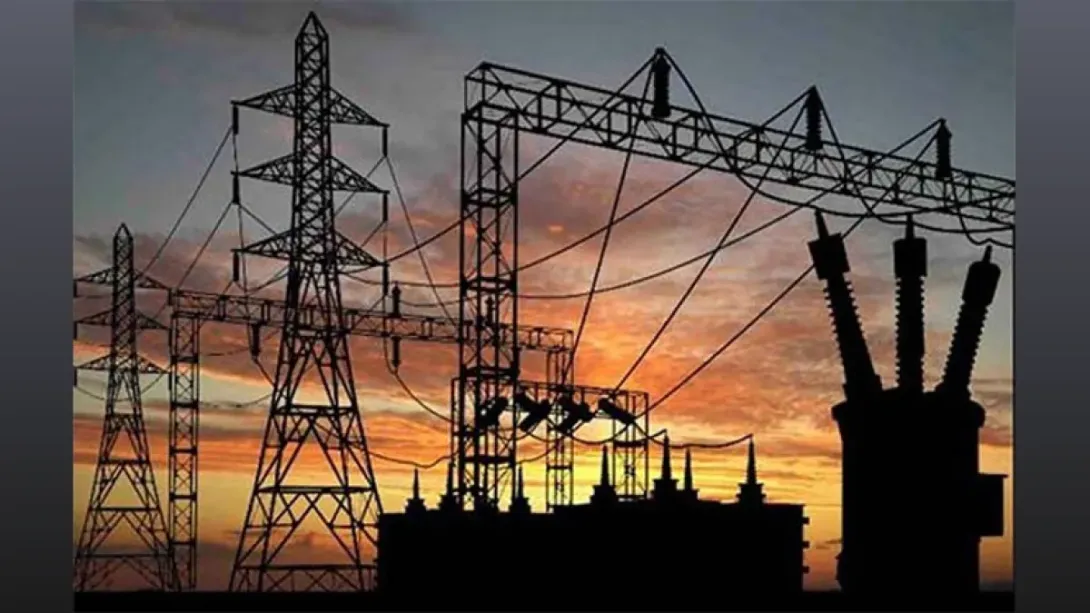
In a decisive move to strengthen energy resilience and meet surging demand, Delhi has launched a forward-looking Power Master Plan designed to upgrade and modernize the capital’s electricity infrastructure. The blueprint focuses on expanding transmission capacity, integrating renewable energy, and deploying smart grid technologies. As population growth and urbanization put mounting pressure on the city’s power supply, the plan seeks to ensure uninterrupted electricity access, minimize losses, and support Delhi’s transition to a cleaner energy future. The initiative is expected to attract substantial investments and serve as a model for other metropolitan regions across India.
Strategic Imperatives Behind the Master Plan
Delhi’s electricity consumption has steadily increased in line with urban development, industrial activity, and rising household demand. The existing infrastructure—while robust—has faced challenges in managing peak loads, distribution inefficiencies, and supply volatility during extreme weather events.
The new Power Master Plan aims to address these issues by laying out a multi-phase strategy to enhance capacity, improve operational efficiency, and future-proof the grid. The initiative takes into account projected demand over the next two decades and aligns with broader sustainability goals set at both the national and state levels.
Infrastructure Expansion and Grid Modernization
A cornerstone of the plan is the augmentation of the city’s transmission and distribution network. Authorities are set to invest in new high-capacity substations, underground cabling, and grid automation systems. These upgrades are intended to:
- Increase load-handling capacity: Ensuring the grid can withstand higher consumption during summer months and festival periods.
- Improve reliability: Reducing outages through better real-time monitoring and fault detection mechanisms.
- Minimize transmission losses: Leveraging technology to optimize load flows and reduce wastage across the grid.
The deployment of smart meters across residential and commercial zones is also a key focus area, allowing for greater transparency, real-time consumption tracking, and better demand management.
Integration of Renewable Energy
In line with India’s decarbonization goals, Delhi’s plan includes measures to incorporate more renewable energy into the state grid. Rooftop solar systems, waste-to-energy plants, and decentralized power generation units will be encouraged through incentives and policy support.
Additionally, energy storage solutions—such as battery banks and pumped hydro systems—are being considered to balance intermittent supply from renewables. These will play a critical role in maintaining grid stability as the share of green power rises.
By diversifying the energy mix, Delhi aims to not only reduce its carbon footprint but also enhance energy security and lower dependence on fossil fuel-based power.
Investment Outlook and Policy Support
The success of the Power Master Plan hinges on robust financial backing and efficient execution. Government agencies have earmarked capital investments exceeding Rs. 12,000 crore over the next decade. A significant portion of this will be mobilized through public-private partnerships, green bonds, and international climate finance mechanisms.
To support implementation, the city is also streamlining regulatory approvals and facilitating coordination between central utilities, urban planning bodies, and municipal corporations. Emphasis is being placed on transparency, accountability, and outcome-based milestones to ensure timely delivery of planned projects.
Future-Readiness and Citizen-Centric Outcomes
Beyond infrastructure, the plan prioritizes citizen-centric outcomes such as:
- 24/7 reliable power supply
- Affordable tariffs
- Fast-tracked service delivery and complaint redressal
- Enhanced safety in urban power infrastructure
Education campaigns and stakeholder consultations are also being conducted to raise public awareness about energy conservation and efficiency.
Conclusion
Delhi’s Power Master Plan represents more than just an infrastructure upgrade—it is a strategic transformation aimed at securing the capital’s energy future. By aligning technological innovation with sustainability and reliability, the plan sets the stage for a more resilient, equitable, and environmentally conscious power system. As India urbanizes rapidly, Delhi’s model could offer a replicable blueprint for other cities looking to achieve a balanced blend of growth and green transition.
Comments