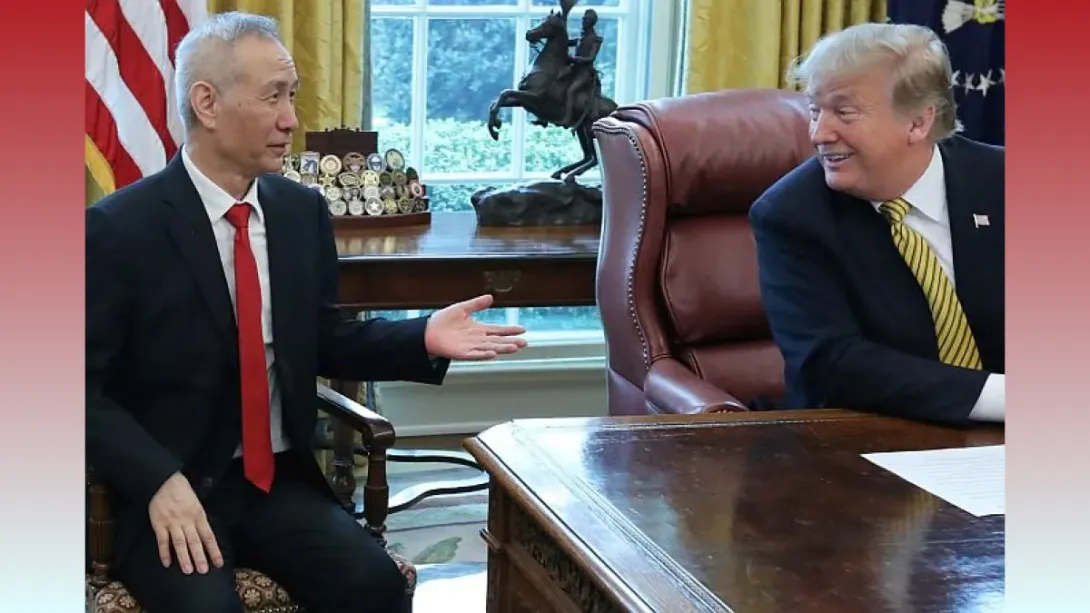
High-level trade discussions between India and the United States have concluded with both sides expressing optimism over advancing a long-delayed Bilateral Trade Agreement (BTA). The dialogue, which covered a broad spectrum of issues ranging from tariff reductions to digital trade and market access, marks a step forward in resolving longstanding frictions. Although a formal agreement remains elusive, negotiators have laid the groundwork for deeper economic engagement and stronger commercial alignment. The outcome of the talks signals a shift toward pragmatic cooperation, as both nations seek to expand trade volumes, attract investment, and diversify supply chains in an increasingly polarized global economy.
A Deliberate Thaw in Trade Relations
The recently concluded trade talks between India and the U.S. reflect growing convergence on economic and strategic interests, even amid global trade fragmentation. After years of stalled negotiations, the latest round served to rekindle momentum for a Bilateral Trade Agreement, long seen as a complex but mutually beneficial objective.
Senior officials from both sides met over several days to iron out persistent disagreements, including tariff asymmetries, regulatory standards, and intellectual property frameworks. While the talks did not culminate in a final agreement, both countries agreed to accelerate technical-level discussions and establish working groups to address sector-specific concerns.
Key Priorities: Market Access, Digital Trade, and Tariff Harmonization
Among the core issues discussed was market access for agricultural goods, pharmaceuticals, and manufactured products. India emphasized its interest in expanded access to the U.S. market for its generic drugs, textiles, and agribusiness exports, seeking relief from non-tariff barriers and regulatory restrictions. Conversely, U.S. negotiators reiterated the need for tariff reductions on items such as medical equipment, dairy products, and technology components.
Digital trade and e-commerce also featured prominently in the dialogue. The two countries aim to craft a cooperative digital trade framework that supports cross-border data flows, enhances cybersecurity, and ensures regulatory interoperability. India, however, remains cautious about relinquishing data localization requirements, citing national security and consumer protection concerns.
Intellectual Property and Regulatory Clarity
Intellectual property rights (IPR) remain a point of divergence. The U.S. has long pushed for stronger patent protections and enforcement mechanisms, particularly in the pharmaceutical and software sectors. India, while receptive to reform, maintains that any overhaul must balance innovation incentives with access to affordable healthcare and digital services.
In response, both sides have agreed to establish an IPR consultative mechanism that will facilitate regular dialogue on legal reforms, enforcement gaps, and innovation support systems. The initiative is expected to serve as a trust-building measure while reducing the risk of trade disputes escalating into formal challenges at the World Trade Organization.
Strategic Trade Partnership in a Shifting Global Order
The broader context of the trade talks is significant. With global supply chains under stress and geopolitical tensions on the rise, the U.S. is seeking reliable economic partners in Asia. India, with its large consumer base, growing industrial capacity, and strategic location, is emerging as a natural counterweight to China in the regional trade architecture.
Both countries also acknowledged the need to deepen cooperation in critical sectors such as semiconductors, defense manufacturing, clean energy, and supply chain resilience. The alignment of strategic priorities suggests that trade talks are not solely commercial in nature but part of a larger economic diplomacy strategy.
Conclusion: A Foundation for Future Agreement
While the latest round of talks did not deliver a signed Bilateral Trade Agreement, it established a clear roadmap for continued engagement. The willingness of both sides to resolve sensitive issues through sustained dialogue reflects a maturing economic partnership. With key working groups now in place and political will on both ends, the foundation for a future agreement appears stronger than ever.
The next several months will be critical as negotiators translate broad commitments into enforceable policies. If successful, the BTA could reshape the contours of one of the world’s most significant trade relationships—unlocking opportunities for businesses, investors, and consumers in both nations.
Comments