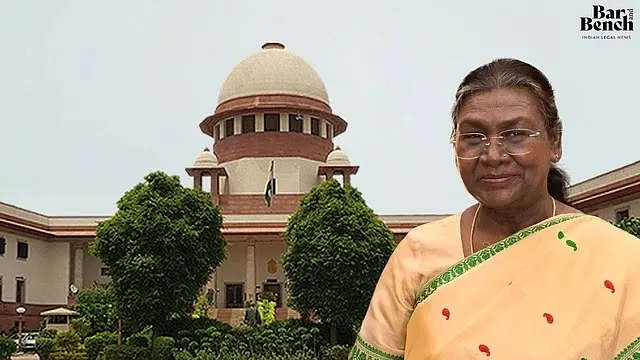
In a significant development for India’s constitutional governance, a five-judge Constitution Bench of the Supreme Court is set to deliberate on a crucial Presidential reference concerning the time limits for Governors to assent to bills passed by State Legislatures. The move follows growing concerns over perceived delays by Governors in processing legislation, which have led to governance bottlenecks and legal uncertainty in several states. The apex court’s interpretation could set a binding precedent, clarifying the constitutional duties of Governors and potentially redefining the boundaries of legislative-executive relations within India’s federal structure.
Context: The Dispute Over Bill Assent Timelines
The core issue under judicial review is whether Governors are constitutionally bound to act on bills within a specific timeframe. While Article 200 of the Indian Constitution grants Governors discretion to assent to, withhold, or reserve a bill for the President’s consideration, it does not stipulate a deadline for doing so. This legislative ambiguity has prompted several confrontations between state governments and their Governors, especially in opposition-ruled states, where accusations of political delay have grown louder.
In response to these concerns, the matter was escalated to the President of India under Article 143—allowing the President to seek the Supreme Court’s opinion on questions of law of public importance. The reference is now scheduled to be examined by a Constitution Bench, which holds the authority to interpret fundamental constitutional provisions.
Legal Implications and Federal Ramifications
The Supreme Court’s ruling could have far-reaching consequences for the federal balance of power. At the heart of the debate lies a question of accountability: should unelected constitutional authorities be allowed indefinite discretion in processing the legislative will of elected bodies?
Experts argue that delayed assent undermines democratic processes and obstructs legislative efficiency. A constitutional interpretation mandating a reasonable timeframe—possibly aligning with previous judicial principles on procedural fairness—may help bring uniformity and predictability to state governance. It could also disincentivize politically motivated obstruction by Governors, restoring clarity to the legislative timeline.
Political Undercurrents and Institutional Tensions
The reference to the judiciary follows repeated instances of friction between Raj Bhavans and state governments. In several cases, bills have languished for months—some even beyond a year—without explicit assent, rejection, or referral. States have claimed that such delays compromise governance and represent an overreach of executive power.
While some Governors have defended the delays citing constitutional prudence or the need for clarity, critics view such acts as symptomatic of broader political rivalries between the Centre and non-BJP-ruled states. The pending decision from the Supreme Court could either validate these discretionary delays or set judicial limits on gubernatorial authority.
Broader Constitutional Doctrine at Stake
The outcome of this reference is poised to enrich India’s constitutional jurisprudence. It touches upon the doctrine of separation of powers, the role of checks and balances in a federal democracy, and the sanctity of the legislative process. A ruling in favor of imposing time-bound action could act as a deterrent against constitutional stalling and pave the way for procedural reforms across states.
The Bench is expected to weigh past precedents, including the Sarkaria and Punchhi Commission recommendations, both of which emphasized limiting discretionary powers of Governors to maintain federal harmony. The verdict will not only influence governance mechanics in Indian states but could also become a cornerstone in future legislative-executive disputes.
Looking Ahead
As the Supreme Court prepares to deliberate, legal scholars, political leaders, and constitutional experts await a judgment that could restore equilibrium between state legislatures and gubernatorial offices. If the court issues definitive guidelines or timelines, it would help resolve a long-standing ambiguity that has plagued India’s federal operations.
This historic reference underscores the enduring importance of judicial review in sustaining democratic integrity. With rising political polarization and increasing strain on cooperative federalism, the court’s interpretation will be closely scrutinized for its implications on governance, accountability, and the Constitution's living spirit.
Comments