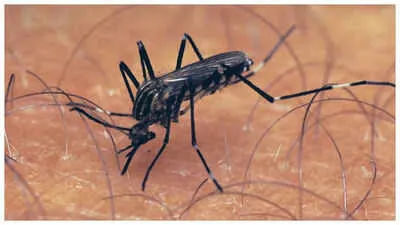
As the West Nile virus resurfaces across parts of the United States, public health officials are ramping up awareness campaigns and issuing advisories. Transmitted through infected mosquito bites, this virus poses serious health risks, particularly to older adults and individuals with weakened immune systems. While most cases are asymptomatic or mild, a small percentage can develop severe neurological complications. As climate conditions and ecological shifts contribute to the spread of vector-borne diseases, timely information on symptoms, risk factors, and preventative strategies has become critical. Health authorities are urging vigilance and community-level cooperation to curb the spread before it escalates further.
Understanding the West Nile Virus
The West Nile virus is a mosquito-borne flavivirus first identified in the United States in 1999. It typically circulates between birds and mosquitoes, occasionally infecting humans. In recent weeks, multiple states have reported a notable uptick in confirmed cases, prompting renewed public health responses.
Unlike many infectious diseases, human-to-human transmission of the virus is rare. Most infections occur during the summer and early fall, when mosquito activity peaks. Despite widespread public health knowledge, outbreaks still catch communities off guard, often due to complacency or lack of targeted mosquito control measures.
Recognizing the Symptoms
According to healthcare professionals, approximately 80% of individuals infected with the West Nile virus remain asymptomatic. However, around 20% may develop symptoms that mimic a flu-like illness, including fever, fatigue, body aches, headaches, and sometimes skin rashes or swollen lymph glands.
A much smaller subset—less than 1%—can develop severe neuroinvasive disease, such as West Nile encephalitis or meningitis. These cases may present with high fever, neck stiffness, disorientation, seizures, muscle weakness, or paralysis. The elderly and immunocompromised are at significantly higher risk for such complications and may require hospitalization and intensive care.
Geographic Spread and Climatic Linkages
Recent reports have pinpointed heightened virus activity in southern and midwestern states, with health departments increasing surveillance. Experts link this resurgence in part to climate-related shifts such as warmer temperatures and higher humidity, which facilitate mosquito breeding.
Urban development, stagnant water accumulation, and inadequate pest control measures have also been cited as contributing factors. In some regions, municipalities have reactivated aerial spraying programs and larvicide treatments to contain mosquito populations before the virus can spread further.
Prevention Remains the First Line of Defense
Since no human vaccine exists for the West Nile virus, prevention is the most effective strategy. Health professionals recommend the use of EPA-approved insect repellents containing DEET or picaridin, especially during dawn and dusk when mosquito activity is highest.
Wearing long-sleeved clothing, eliminating standing water from surroundings, and installing window screens are simple yet powerful measures. Communities are also encouraged to report dead birds or mosquito infestations to local health departments, as these can signal virus circulation in the area.
Public Health Response and Future Outlook
Local and federal health agencies are mobilizing resources to mitigate the outbreak’s potential. Public advisories, testing centers, and vector control efforts are being ramped up. While the majority of individuals infected will recover fully, healthcare providers are on high alert for serious cases requiring immediate medical intervention.
In the long term, experts stress the importance of sustained investment in mosquito control infrastructure, early detection systems, and climate-resilient public health strategies. With vector-borne diseases becoming increasingly unpredictable, the fight against the West Nile virus is a reminder of how ecological shifts can directly impact human health.
Conclusion: Staying Vigilant and Informed
The resurgence of the West Nile virus across the United States underscores a growing public health challenge. While most infections may pass unnoticed, the risk of severe illness—especially among vulnerable groups—necessitates a well-informed and proactive public. Through coordinated prevention, education, and early intervention, the impact of this seasonal threat can be substantially reduced. As the summer progresses, heightened vigilance remains crucial in protecting both individual health and community well-being.
Comments