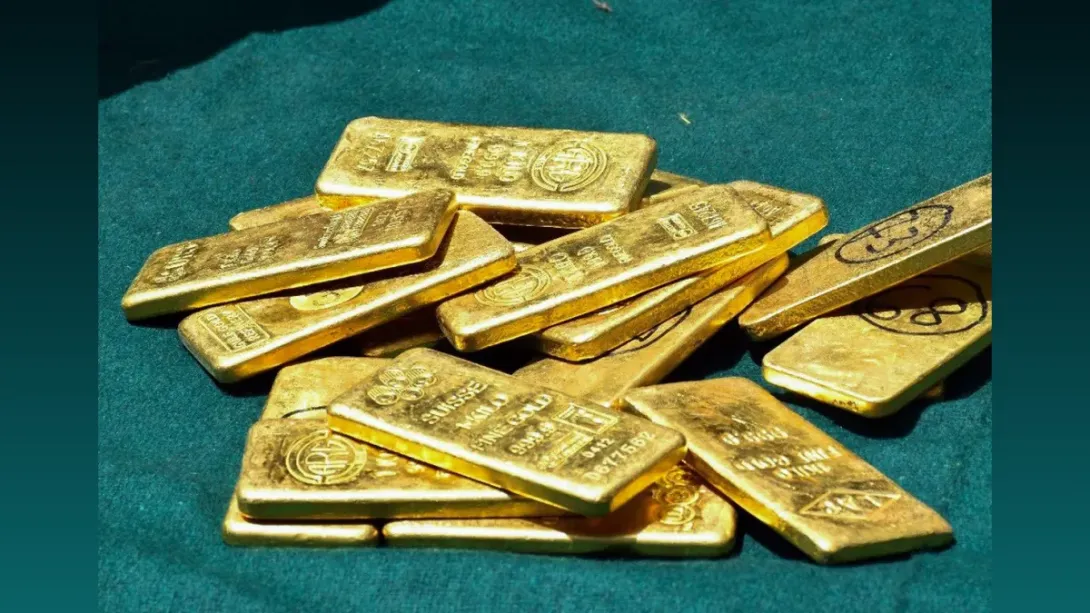
Gold prices witnessed a decline of Rs. 500 in the domestic market, reflecting weakness in global rates and muted local demand. While investors appeared to shift focus amid dollar strength and profit booking in international bullion markets, silver prices remained stable, showing resilience despite the broader volatility. Market analysts suggest that fluctuating U.S. interest rate expectations, geopolitical developments, and seasonal demand cycles are likely to influence short-term trends. As inflationary concerns ease and central banks recalibrate their monetary stances, precious metals may continue to see choppy movements in the near term.
---
Domestic Gold Price Drops as Global Pressure Builds
In a notable correction, domestic gold prices fell by Rs. 500 per 10 grams, signaling a shift in investor sentiment. The dip aligns with weakness in international markets where gold lost some ground amid a firmer U.S. dollar and rising Treasury yields.
Indian jewellers and retail investors appeared cautious, anticipating further price moderation in the near term. Market participants cited subdued physical demand and profit-booking from recent highs as key reasons behind the correction. Despite the decline, bullion continues to hold strategic importance for investors seeking a hedge against global uncertainties.
---
Silver Prices Remain Unchanged Amid Mixed Signals
Contrary to gold, silver prices showed stability in the spot market, trading flat even as global market cues remained mixed. Silver retained its previous levels, hovering near Rs. 76,000 per kilogram, supported by steady industrial demand and a relatively balanced investment appetite.
The precious white metal is considered a dual-purpose asset—valued both for its role in industrial applications and as a store of wealth. Analysts note that the steady performance of silver indicates a possible consolidation phase as investors weigh its long-term utility against short-term volatility.
---
Factors Driving Volatility in Precious Metals
The ongoing fluctuation in precious metal prices is closely tied to global macroeconomic developments. The U.S. Federal Reserve's evolving stance on interest rates, signs of cooling inflation, and geopolitical uncertainties continue to drive investor behavior.
A stronger dollar typically makes gold and silver more expensive for holders of other currencies, often prompting a sell-off. In contrast, any dovish pivot by central banks or resurgence in geopolitical tensions could revive demand for safe-haven assets.
Additionally, in the domestic market, seasonal factors such as the upcoming festival and wedding seasons may add a layer of demand-driven support in the coming weeks.
---
Investor Outlook and Strategy
For retail and institutional investors, the latest dip in gold prices may offer an attractive entry point, especially for those with a long-term horizon.
Comments