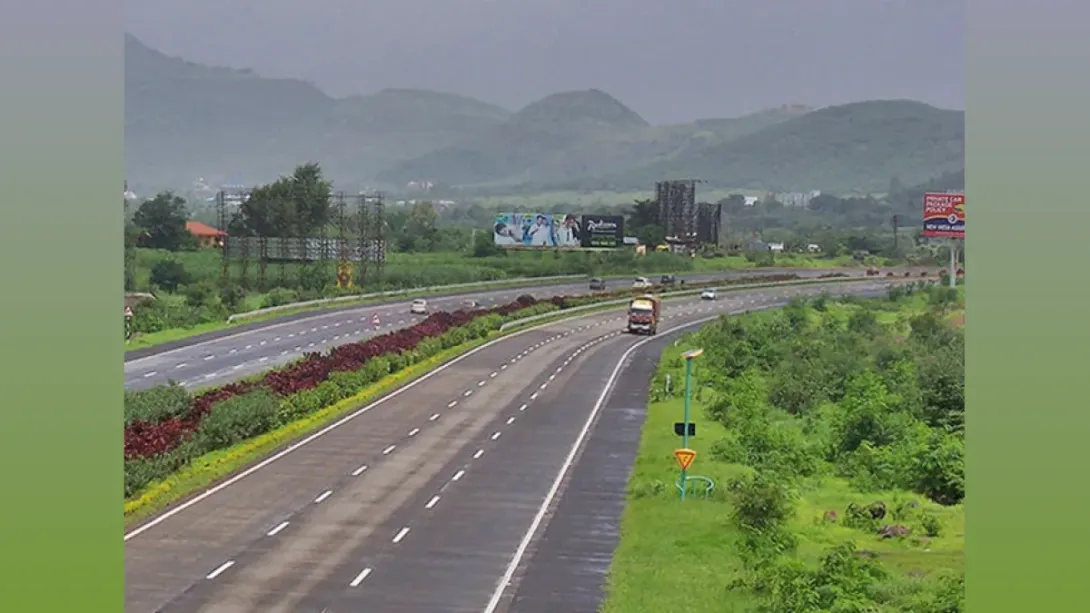
India’s push for robust infrastructure development is encountering significant roadblocks, with 489 highway projects facing delays due to persistent issues around land acquisition, regulatory clearances, and utility shifting. These holdups not only threaten to derail the country's ambitious connectivity agenda but also risk inflating project costs and dampening investor confidence. As the government intensifies its focus on infrastructure-led growth, particularly through the Bharatmala and Gati Shakti programs, resolving these procedural and bureaucratic hurdles has become imperative. The scale and impact of the delays reveal deeper structural inefficiencies that must be addressed to sustain long-term development momentum.
---
Mounting Delays in India’s Road Infrastructure Projects
Out of the total road construction initiatives currently underway across the country, 489 projects are reported to be behind schedule. These delays span both national and state highway developments and collectively represent a substantial portion of the government's infrastructure pipeline. The root causes remain consistent across regions: incomplete land acquisition, delayed forest and environmental clearances, and complications arising from utility relocations such as water pipelines, electric lines, and telecom infrastructure.
These issues are not new, but the scale is now significant enough to warrant urgent policy and administrative intervention. The delay in execution affects not just logistics efficiency but also job creation, regional development, and supply chain connectivity.
---
Financial Implications and Cost Overruns
Delays in infrastructure projects invariably lead to cost escalations. For road projects, every additional month of inaction can translate into considerable losses due to interest burdens, inflationary increases in material costs, and contractual claims. Several of the affected projects are now facing cost overruns ranging between 10% and 30%, with some large-scale highway corridors witnessing even higher financial slippages.
For example, in regions where land acquisition remains incomplete, compensation disputes and legal hurdles have led to stalled construction, forcing contractors to halt work and redeploy resources elsewhere—draining both public funds and private capital.
---
Land Acquisition and Clearance Bottlenecks
Land acquisition continues to be one of the most contentious aspects of infrastructure development in India. While the government has made efforts to digitize records and streamline approval mechanisms, ground-level execution still suffers from political resistance, lack of transparency, and compensation-related grievances.
Forest and environmental clearances, meanwhile, are subject to multi-tier approvals involving both state and central agencies. In several cases, projects spanning ecologically sensitive zones have seen prolonged delays as developers await clearances that are often tied to complex compliance requirements and stakeholder consultations.
---
Impact on Broader Economic Goals
The ripple effect of these project delays is felt across multiple sectors. Highways are not just physical assets—they are economic enablers. Any setback in their development hampers freight mobility, increases logistics costs, and reduces competitiveness for Indian manufacturers.
Furthermore, delayed infrastructure delivery affects planned industrial corridors, smart city linkages, and rural-urban integration. This has direct implications for programs like Make in India and the broader vision of transforming India into a $5 trillion economy.
---
Government Response and Policy Realignment
Recognizing the urgency of the matter, the Ministry of Road Transport and Highways is reportedly taking steps to expedite the resolution of pending issues. Task forces have been formed at the state level to identify and clear bottlenecks, while efforts are underway to decentralize decision-making and empower regional offices with greater authority to manage clearances and compensation claims.
Additionally, the government is considering the introduction of contract flexibility clauses that allow for dynamic rescoping in the event of prolonged delays caused by force majeure or institutional inaction.
---
Looking Ahead: The Need for Institutional Reform
India's infrastructure ambitions remain among the most aggressive in the world, but execution continues to be the Achilles' heel. Addressing this challenge will require a combination of systemic reform and localized problem-solving. Enhancing inter-agency coordination, accelerating land dispute resolution mechanisms, and deploying technology for real-time monitoring could be the catalysts needed to bring delayed projects back on track.
While 489 projects in delay represent a numerical challenge, they also present an opportunity—to recalibrate the institutional approach, build resilience into project design, and restore momentum to one of India’s most critical development engines.
Comments