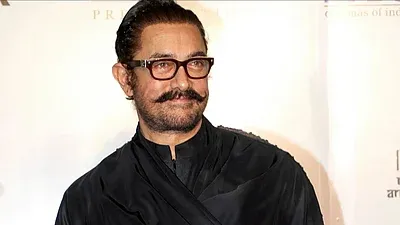
Bollywood actor-producer Aamir Khan has publicly addressed a misunderstanding surrounding the release strategy of his upcoming film Sitaare Zameen Par. Following a wave of speculation, Khan issued a clarification, admitting he misspoke regarding the film’s release on YouTube. He further elaborated on his decision to adopt a pay-per-view model over a direct OTT premiere, emphasizing the evolving dynamics of content consumption and the importance of sustaining theatrical experiences. His remarks have reignited discussions around revenue models, audience access, and the creative control retained by filmmakers in an increasingly digital-first entertainment ecosystem.
---
The Controversy: A YouTube Release That Wasn’t
Aamir Khan recently found himself at the center of an online stir after suggesting that Sitaare Zameen Par would be made available for free viewing on YouTube. The statement, while seemingly casual, sparked both excitement and skepticism among fans and industry observers. However, the actor has now clarified that his initial comment was a miscommunication and not an official announcement of the film’s distribution strategy.
In his apology, Khan acknowledged the confusion and explained that such decisions involve multiple stakeholders and require careful strategic planning. The actor also reaffirmed his respect for audiences and expressed gratitude for their continued trust.
---
Pay-Per-View vs OTT: The Economics of Storytelling
Khan defended his preference for a pay-per-view model, describing it as a more sustainable approach for certain genres of films, especially those with limited theatrical viability or niche appeal. Unlike traditional OTT platforms that operate on subscription-based models, pay-per-view allows creators to monetize content directly per viewing instance—potentially enabling better revenue recovery and financial independence for producers.
This model, although still nascent in the Indian market, is gaining attention as filmmakers seek innovative ways to bridge the gap between affordability and profitability without compromising artistic vision.
---
Reframing the Digital Dialogue
The conversation around Khan’s comments also underscores a broader debate in the Indian entertainment industry: how to best balance creative freedom, financial sustainability, and audience accessibility in a landscape dominated by digital platforms. While OTT giants have revolutionized content distribution, their stringent acquisition policies and high revenue shares have prompted some filmmakers to explore alternative models that offer more autonomy.
Khan’s comments, albeit controversial, have reignited dialogue on whether creators should have greater control over how and where their work is distributed.
---
The Role of Public Trust and Artistic Integrity
Known for his perfectionist approach and socially relevant storytelling, Aamir Khan’s words carry significant weight in the Indian film industry. His decision to issue a prompt and transparent apology reflects not only his professionalism but also a keen understanding of the importance of public trust.
At a time when misinformation can quickly derail marketing strategies or damage reputations, Khan’s measured response sets a standard for accountability in an age of fragmented media narratives.
---
Conclusion
While the initial confusion around Sitaare Zameen Par’s release strategy may have led to disappointment among some fans, Aamir Khan’s candid clarification has offered deeper insight into the evolving business models in Indian cinema. As industry veterans like Khan explore hybrid monetization strategies, the future of content distribution appears poised for further experimentation—where audience expectations, creative autonomy, and digital scalability must find common ground.
Comments