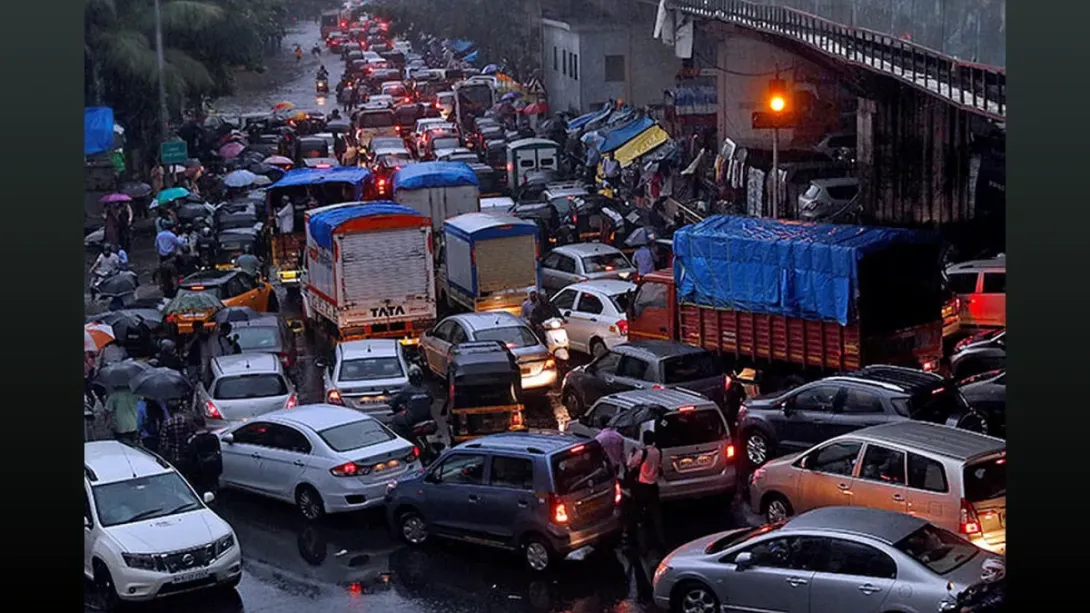
India’s automobile retail sector recorded a downturn in July 2025, with sales across most vehicle categories witnessing a year-on-year decline, according to data released by a leading national dealership association. While two-wheeler and passenger vehicle segments showed relative resilience, overall retail volumes were impacted by erratic monsoon patterns, high inventory levels, and delayed festive demand. The commercial vehicle market remained sluggish, reflecting broader economic uncertainties and financing constraints. As the industry looks ahead to the upcoming festival season, manufacturers and dealers are recalibrating strategies to boost sentiment and reduce unsold stock in an increasingly cautious consumer environment.
Retail Sales Lose Momentum in July
The automotive sector, often regarded as a bellwether of consumer sentiment, saw a dip in retail activity during July 2025. Total retail sales across all categories declined 5.3% year-on-year, a development that has stirred concern among industry participants hoping for a sustained post-pandemic recovery.
Two-wheelers, which form the backbone of India’s mass mobility market, recorded a decline of approximately 6% in retail volumes. While some urban markets reported stable demand, rural segments—sensitive to monsoon trends and agricultural income—faced significant pressure. Erratic rainfall in key farming belts delayed purchase decisions, with several potential buyers postponing vehicle acquisition until kharif outcomes become clearer.
Passenger Vehicles Show Signs of Saturation
Passenger vehicle (PV) sales, which had consistently outperformed in recent quarters, slowed down in July. Retail volumes dipped by nearly 4%, marking the first meaningful deceleration in the segment in over six months. High inventory levels at dealerships—especially for mid-segment SUVs—raised concerns about market saturation and pricing rigidity.
Industry experts cited delayed festive launches, a moderate uptick in vehicle prices, and a more discerning consumer base as contributing factors to the softness in demand. Premium car sales, however, remained largely stable, supported by affluent urban buyers with stronger purchasing power and access to easy financing.
Commercial Vehicles and Tractors Face Continued Strain
The commercial vehicle (CV) segment remained under pressure, with a 7.2% decline in retail sales compared to July 2024. Demand from fleet operators remained weak, affected by muted freight activity, cautious capital expenditure, and delayed infrastructure rollout in certain regions. Financing challenges and high loan rejection rates also compounded the sector’s woes.
Tractor sales fell by over 9%, marking a significant contraction driven by unfavorable monsoon distribution and uncertainty in agricultural income. Industry insiders warn that if rural cash flows do not improve in the coming months, further demand compression could impact upcoming quarters, especially in semi-urban belts heavily reliant on farm-linked spending.
Inventory and Supply-Side Concerns Mount
One of the recurring themes across all segments was the rise in unsold inventory. Many dealerships reported inventory levels exceeding 45 days, with certain regions experiencing logistical delays and uneven stock distribution. This mismatch between supply and real demand has added pressure on working capital and dealership profitability.
To address this, OEMs are expected to moderate dispatches in the short term, offering incentive schemes, promotional financing, and flexible repayment options to stimulate end-consumer purchases. However, rising input costs and regulatory compliance burdens have limited the room for deep discounting, especially in the PV and CV segments.
Outlook: All Eyes on Festive Season Recovery
Despite the July setback, industry leaders remain cautiously optimistic about a rebound in the second half of the fiscal year. The upcoming festive season—beginning with Onam and leading into Diwali—is expected to inject renewed momentum into auto retail. Improved rural sentiment, better crop realization, and new model launches will be key variables influencing demand.
To capitalize on this window, manufacturers are aligning production schedules, launching customer-centric financing offers, and investing in digital platforms to capture price-sensitive yet tech-savvy buyers. Dealers, on their part, are preparing for leaner inventory cycles and more dynamic sales strategies to navigate volatility.
Conclusion: Navigating a Transition Phase
The dip in auto retail sales in July underscores the sector’s sensitivity to seasonal, economic, and policy-linked variables. While the long-term growth trajectory for India’s mobility market remains intact—supported by demographic advantages and rising aspirations—short-term fluctuations are likely to persist.
The industry's ability to respond with agility, control costs, and engage meaningfully with evolving consumer expectations will determine whether this lull is a brief pause or the beginning of a longer correction. For now, the focus remains on surviving July’s speed bump and accelerating into a potentially more promising festive season ahead.
Comments