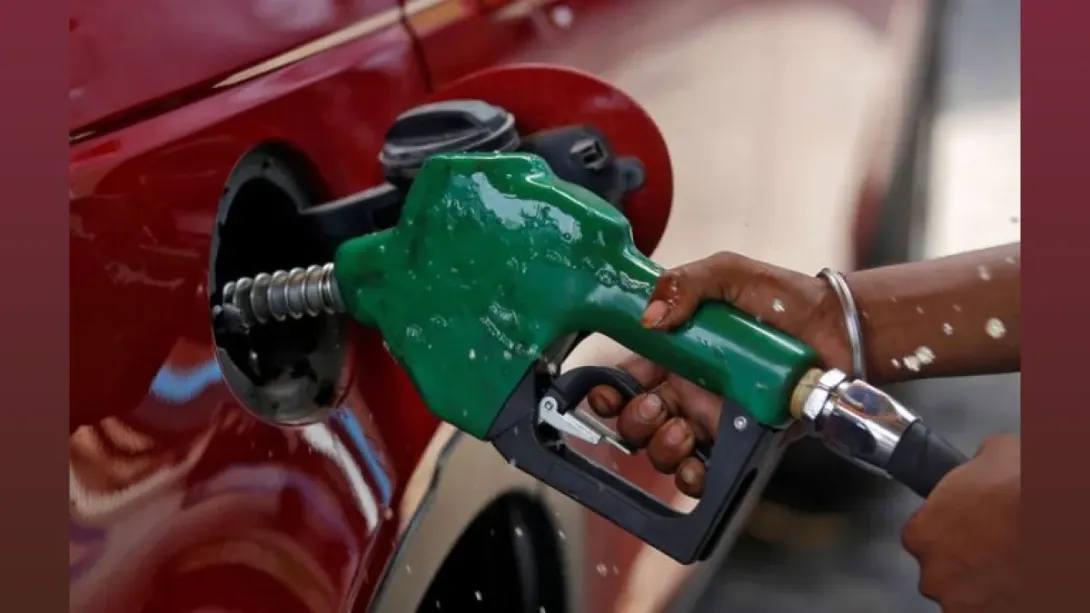
In a significant move to shield consumers from soaring energy prices and provide relief to state-run oil marketing companies (OMCs), the Union Cabinet has approved a subsidy of Rs. 30,000 crore. This financial backing is aimed at offsetting the under-recoveries incurred by OMCs due to controlled prices of domestic liquefied petroleum gas (LPG). The decision reflects the government’s dual objective of ensuring energy affordability for households while stabilizing the financial health of public-sector oil firms. With this allocation, the Centre seeks to maintain price discipline in a volatile global energy market without passing the burden onto consumers.
---
Government Reinforces Energy Affordability with Fiscal Support
The Rs. 30,000 crore subsidy package marks a renewed effort by the government to maintain price stability in the domestic LPG market, which has been under stress from fluctuating global crude prices and geopolitical uncertainties. The move comes at a time when the subsidy burden had largely been reduced in recent years, with market-linked pricing becoming the norm for petroleum products.
However, the sharp rise in international LPG prices and the resulting under-recoveries borne by OMCs have made such fiscal intervention necessary. The approved funding is expected to compensate firms like Indian Oil Corporation, Bharat Petroleum, and Hindustan Petroleum for losses on subsidized domestic cylinders.
---
Impact on Oil Marketing Companies and Fiscal Management
For the three major state-owned oil marketing companies, this infusion offers critical breathing room. With under-recoveries mounting over the past quarters due to the capped selling prices of 14.2 kg domestic cylinders, the subsidy ensures that these firms can continue supplying LPG without compromising their balance sheets.
This support also reduces pressure on OMCs to offset losses through cross-subsidization or borrowings, thereby preserving their creditworthiness and operational flexibility. From a fiscal standpoint, the allocation fits within the broader subsidy envelope earmarked for fuel, food, and fertilizers, suggesting that it will not significantly disrupt the government’s deficit targets for FY2025.
---
Consumer Implications: Stability Amid Global Volatility
While the direct subsidy is routed to oil companies, the ultimate beneficiary is the consumer. With global energy markets witnessing price volatility due to geopolitical tensions and supply disruptions, the government’s decision helps prevent a steep rise in household LPG prices.
Millions of Indian households, especially in rural and low-income urban areas, rely on subsidized cooking gas for daily use. Maintaining affordable prices is essential not just for household budgets but also for sustaining the broader objective of clean energy adoption under schemes like the Pradhan Mantri Ujjwala Yojana.
---
Strategic and Political Considerations
The timing of the decision carries political significance, particularly as inflation remains a top concern for policymakers. Fuel prices have a cascading effect on transportation and essential commodities. By proactively funding the subsidy, the government mitigates inflationary risks and avoids social discontent.
Additionally, ahead of upcoming state and local elections, maintaining stable LPG prices can bolster political goodwill. It signals that the government remains committed to social welfare and economic stability, even as it pursues long-term market reforms in the energy sector.
---
Outlook: Balancing Reform and Welfare
This subsidy allocation highlights the intricate balancing act between energy sector liberalization and consumer protection. While India has gradually moved toward deregulated pricing in the petroleum segment, interventions such as this underscore the state’s willingness to act when market forces threaten affordability or supply continuity.
Moving forward, analysts will monitor whether this support remains a one-time adjustment or evolves into a recurring mechanism based on global price trends. For now, the decision provides much-needed relief across the energy value chain—stabilizing oil marketing companies, safeguarding consumers, and reinforcing the government's fiscal and policy credibility.
---
Conclusion
The Cabinet’s approval of a Rs. 30,000 crore subsidy for oil marketing companies is more than just a fiscal transfer—it is a strategic policy response to rising global energy costs, aimed at preserving domestic stability. In doing so, the government continues to walk a careful line between reformist intent and welfare commitments, ensuring that economic resilience does not come at the cost of public hardship.
Comments