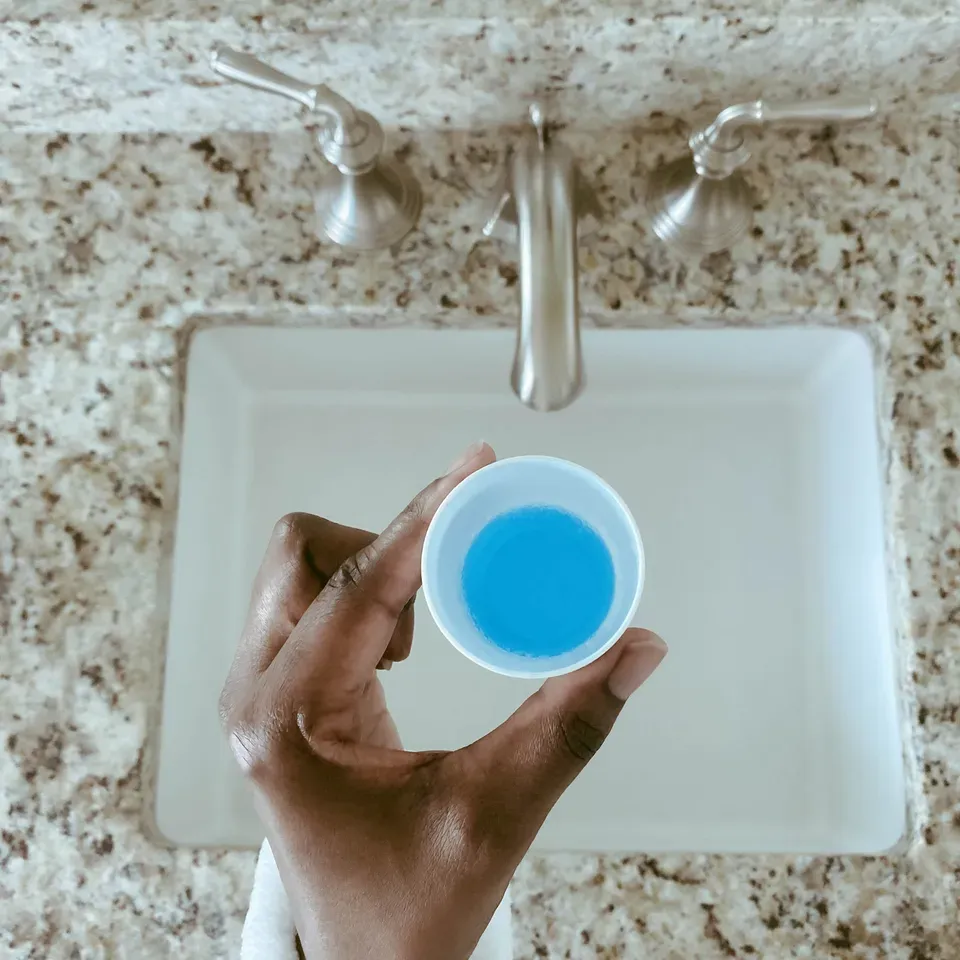
Mouthwash, often seen as a quick fix for fresh breath, plays a broader role in oral hygiene when used correctly. According to dental experts, its effectiveness depends largely on the timing of use, the type of mouthwash selected, and individual oral health needs. While it can aid in reducing bacteria, preventing gum disease, and providing temporary freshness, improper use may limit its benefits or even cause unintended effects. Understanding when and how to incorporate mouthwash into a daily routine can help maximize its protective qualities while supporting overall dental health.
---
Understanding the Role of Mouthwash
Mouthwash is more than a cosmetic breath freshener—it serves as a supplementary tool in oral care. Depending on its formulation, it can target specific issues such as plaque buildup, gum inflammation, or bad breath caused by bacterial growth. Therapeutic variants often contain active ingredients like chlorhexidine, fluoride, or essential oils that actively fight oral pathogens and strengthen enamel. However, mouthwash should never replace brushing and flossing; rather, it is most effective when integrated into a comprehensive dental hygiene regimen.
The Best Time to Use Mouthwash
Dentists emphasize that the timing of mouthwash use can significantly influence its effectiveness. Many recommend using it after brushing and flossing to remove residual bacteria and provide a protective barrier against plaque. However, if the mouthwash contains fluoride, it’s advised to wait at least 30 minutes after brushing to avoid rinsing away the toothpaste’s fluoride coating. For those with specific oral conditions—such as gum disease or chronic bad breath—dentists may recommend targeted rinsing at certain times of the day, including after meals or before bedtime.
Choosing the Right Mouthwash
Not all mouthwashes serve the same purpose, and selecting the right type is essential. Cosmetic mouthwashes may offer temporary freshness but lack long-term health benefits. In contrast, therapeutic options are formulated to address deeper oral health concerns. Alcohol-based mouthwashes can be effective against bacteria but may cause dryness for some individuals, making alcohol-free alternatives preferable for daily use. Consulting a dentist ensures that the chosen product aligns with one’s specific oral health needs.
Avoiding Common Mistakes
One frequent mistake is overusing mouthwash, which can lead to irritation or imbalance in the oral microbiome. Another is relying on it as a substitute for proper brushing and flossing. Dentists also caution against immediately rinsing with water after using mouthwash, as it can dilute the protective agents before they take effect. Following the product’s instructions and adhering to professional guidance can prevent these pitfalls.
The Bottom Line
When used strategically, mouthwash can be an effective ally in maintaining oral health. The key lies in understanding its purpose, choosing the right formulation, and timing its use to complement rather than compete with other oral hygiene practices. By following expert recommendations, individuals can enhance their daily dental care routine and ensure that mouthwash serves as a true asset rather than an overlooked accessory.
Comments