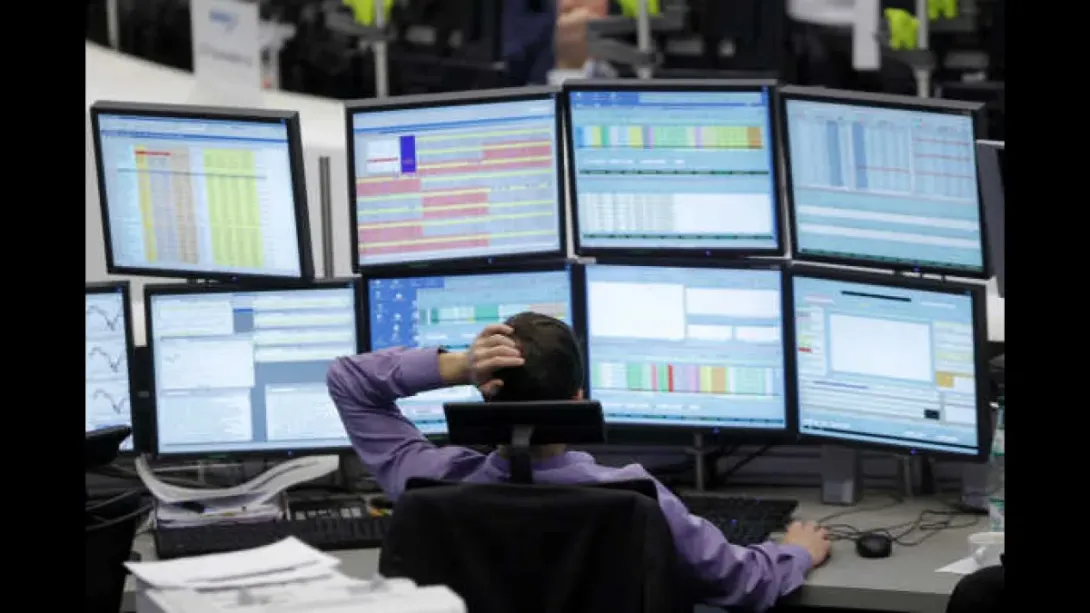
Indian equities came under sharp pressure as renewed fears over potential tariff escalations rattled investor sentiment, pushing the Sensex below the 80,000 mark for the first time in three months. The sell-off was driven by heavy losses in metal, technology, and export-oriented stocks, reflecting apprehensions about global trade disruptions and their impact on corporate earnings. Broader indices mirrored the weakness, with market breadth turning decisively negative. Analysts warn that while underlying fundamentals remain stable, heightened volatility is likely in the near term as markets digest geopolitical developments and shifting trade dynamics.
---
Market Recap
The Sensex retreated sharply, erasing recent gains and slipping beneath the 80,000 threshold — a psychologically significant level for investors. The benchmark index’s decline comes after weeks of resilience, as traders reassessed risks stemming from escalating tariff rhetoric between major global economies. Weakness was broad-based, with nearly all sectoral indices ending in the red.
The Nifty 50 also registered a steep fall, mirroring the sentiment across global equity markets. Intraday volatility spiked as institutional and retail investors rushed to reduce exposure, particularly in export-driven sectors vulnerable to international trade headwinds.
---
Sectoral Impact
Metal stocks bore the brunt of the sell-off, as concerns over reduced global demand and cost pressures weighed heavily on valuations. Technology counters also declined, reflecting apprehensions about potential restrictions and slower cross-border trade flows. Auto and manufacturing firms — many with significant overseas exposure — faced sharp declines, underscoring the market’s anxiety over the potential for prolonged trade frictions.
Financials, typically seen as a stabilizing force in volatile sessions, offered little respite. Banks and non-banking financial companies slipped as broader market sentiment weakened.
---
Investor Sentiment and Global Context
The downturn in Indian equities coincided with a cautious mood across global markets. Major Asian and European indices ended lower, while U.S. futures indicated a soft opening. Currency markets also reflected the risk-off sentiment, with the rupee edging lower against the dollar as foreign investors trimmed holdings.
Market strategists point out that this correction is not solely a product of tariff-related anxiety. Profit-booking after a strong multi-month rally, coupled with subdued global cues, added to the selling pressure.
---
Outlook
While analysts remain optimistic about India’s long-term growth trajectory, they acknowledge the likelihood of near-term volatility. “The domestic economy remains fundamentally strong, but external shocks like trade disputes can create sharp, short-lived corrections,” said one equity strategist.
Investors are advised to remain cautious, maintain diversified portfolios, and watch for signs of easing tensions before making aggressive re-entry moves. If geopolitical risks persist, markets may continue to oscillate in a broader range before resuming their upward momentum.
Comments