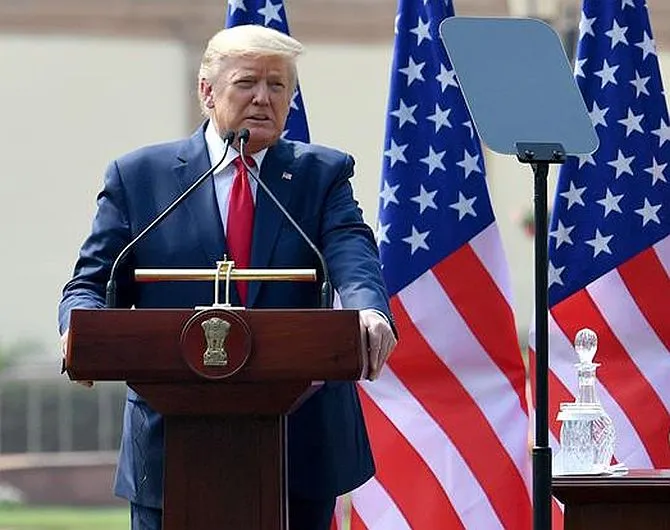
The reintroduction of higher U.S. tariffs under Donald Trump’s trade policy framework is expected to create fresh headwinds for Indian exporters, particularly in labor-intensive sectors such as textiles, leather, engineering goods, and certain agricultural products. While the move aims to protect American manufacturing and reduce trade deficits, it could erode the price competitiveness of Indian goods in the U.S. market. Exporters and trade analysts warn that the new duties may force Indian companies to re-strategize by diversifying markets, enhancing product value, and exploring supply chain efficiencies to offset potential revenue losses.
---
Tariff Policy Shift and Its Implications
The U.S. administration’s renewed emphasis on protectionist trade measures under Trump’s leadership has already unsettled global supply chains. For India, a key trading partner, higher import duties on select goods mean an immediate challenge to cost competitiveness. Sectors such as apparel, gems and jewelry, machinery, and certain processed foods are likely to feel the most pressure, given their reliance on price-sensitive buyers in the U.S.
Sectors at Highest Risk
Textiles and apparel, a major export segment for India, could see reduced order volumes as American buyers turn to alternative suppliers or domestic production to avoid higher tariffs. Engineering goods, including automotive components and industrial machinery, may also face margin compression. Similarly, handicrafts, leather goods, and certain seafood exports could see slower demand growth if tariff barriers raise landed costs in the U.S. market.
Potential Economic Impact
The U.S. has historically been one of India’s largest export destinations, accounting for a significant share of total merchandise exports. Any sustained decline in orders from this market could ripple through India’s manufacturing hubs, affecting employment in labor-intensive industries. Additionally, reduced export revenues may impact India’s trade balance at a time when maintaining foreign exchange stability is a priority.
Strategic Response by Indian Exporters
Industry bodies and exporters are considering measures to counter the impact, including diversifying toward non-U.S. markets such as Europe, Southeast Asia, and the Middle East. Upgrading product quality, enhancing branding, and targeting niche segments less sensitive to price fluctuations are also part of the emerging strategy. The government is likely to engage in trade negotiations to secure relief or exemptions for certain categories, though such outcomes may take time.
Long-Term Outlook
While the tariff shock may dampen short-term export performance, it could also push Indian exporters toward innovation, product diversification, and greater value addition. In the long run, building resilience through market diversity and higher-value manufacturing may reduce dependence on any single trade partner, making India’s export sector more robust against global policy shifts.
Comments