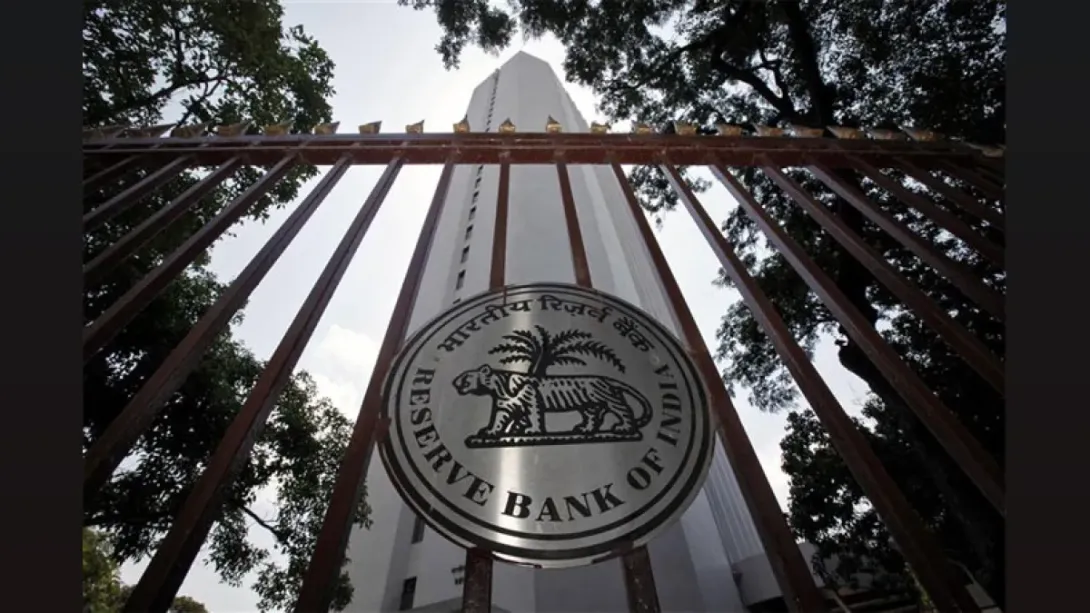
In a significant policy update, the Reserve Bank of India (RBI) has granted individual banks the autonomy to determine the minimum balance requirements for savings accounts. This move marks a departure from the previous uniform regulatory framework, providing banks with flexibility to tailor balance norms according to their operational and customer profiles. The decision aims to enhance banks’ ability to manage costs and maintain service quality while offering customers varied options based on their banking needs. This policy shift reflects evolving regulatory pragmatism amid a dynamic financial ecosystem and has stirred diverse reactions across the banking sector and among account holders.
---
RBI’s Regulatory Evolution: Key Details
The Reserve Bank’s latest directive allows banks to independently set the minimum balance thresholds for savings accounts, replacing the earlier one-size-fits-all mandate. This regulatory change is designed to enable banks to balance operational efficiency with customer affordability, granting them discretion to adjust balance requirements in line with their cost structures and market strategies.
Banks may now offer multiple savings account variants, each with distinct minimum balance conditions, catering to different customer segments, from salaried individuals to small business owners.
---
Implications for Banks and Customers
For banks, this flexibility means greater control over deposit management and resource allocation. Banks can mitigate costs associated with maintaining non-performing or low-balance accounts, potentially improving profitability and service delivery.
Customers, on the other hand, face a landscape of varied minimum balance requirements, potentially affecting fee structures, penalty clauses, and account accessibility. While some banks may offer no-frills accounts with low or zero minimum balance, others may impose higher thresholds tied to premium services.
---
Market and Consumer Response
The policy has prompted mixed reactions. Industry experts suggest this flexibility could encourage product innovation and customer segmentation, allowing banks to better tailor offerings. However, consumer advocates caution against possible increased charges or service exclusions for low-balance account holders.
Effective communication and transparency will be critical for banks to maintain trust and avoid customer attrition amid these changes.
---
Conclusion
The RBI’s decision to devolve minimum balance setting powers to individual banks marks a pivotal shift in India’s banking regulation, aimed at fostering operational agility and customer-centric product design. As banks recalibrate their savings account offerings, both institutions and customers must navigate a more nuanced financial landscape, balancing affordability with service sustainability. This regulatory evolution underscores the ongoing transformation of India’s banking sector toward greater flexibility and responsiveness to market demands.
Comments