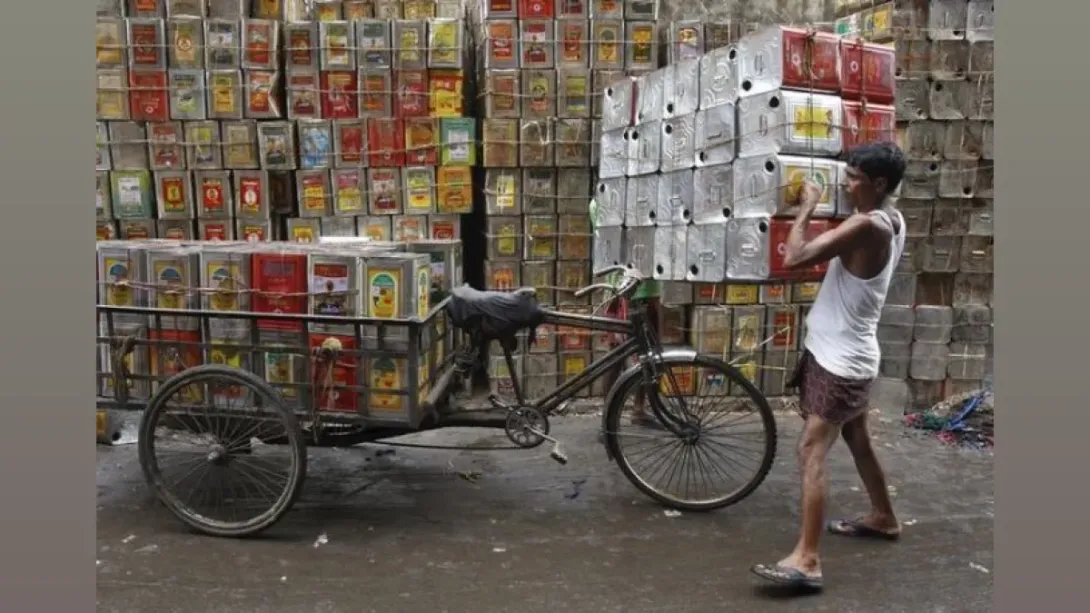
India’s edible oil imports fell by 16% in July, driven by improved domestic oilseed production and higher local crushing activity. The world’s largest edible oil importer witnessed reduced inbound shipments of palm, soybean, and sunflower oils, as favorable weather and increased acreage boosted domestic availability. The decline also reflects a strategic shift towards reducing import dependence and stabilizing prices in the domestic market. Analysts note that while international edible oil prices remain volatile, the combination of a healthy monsoon and government-backed agricultural initiatives is expected to further support India’s self-reliance in the edible oils sector over the coming months.
Import Contraction and Market Drivers
In July, India’s edible oil imports recorded a significant drop, largely due to robust domestic oilseed harvesting and higher crushing capacity utilization. Palm oil shipments—both crude and refined—saw reduced arrivals, while imports of soybean and sunflower oils also declined. The improved domestic supply eased the pressure on importers, who had previously relied heavily on foreign markets to meet demand.
Domestic Production Gains Ground
The contraction in imports is attributed to favorable weather conditions, which have enhanced oilseed yields across major producing states. Increased cultivation of soybean and groundnut, coupled with efficient procurement channels, has allowed processors to source more raw materials locally. This development aligns with government objectives to strengthen the domestic edible oil ecosystem and reduce vulnerability to global market fluctuations.
Policy and Price Implications
With international edible oil prices influenced by supply chain disruptions and geopolitical tensions, India’s shift towards greater self-reliance helps mitigate inflationary risks. The government’s continued investment in oilseed research, farmer support programs, and processing infrastructure is expected to ensure a sustainable supply pipeline. Analysts believe this trend could lead to more stable retail prices and enhanced profitability for domestic oilseed farmers.
Outlook for the Sector
If current weather patterns hold and policy support remains strong, India may see further declines in edible oil imports through the rest of the year. However, global price movements, currency fluctuations, and potential weather-related disruptions will remain key variables. The sector’s trajectory suggests that India is steadily moving towards a more balanced blend of domestic production and strategic imports to safeguard its food security and price stability.
Comments