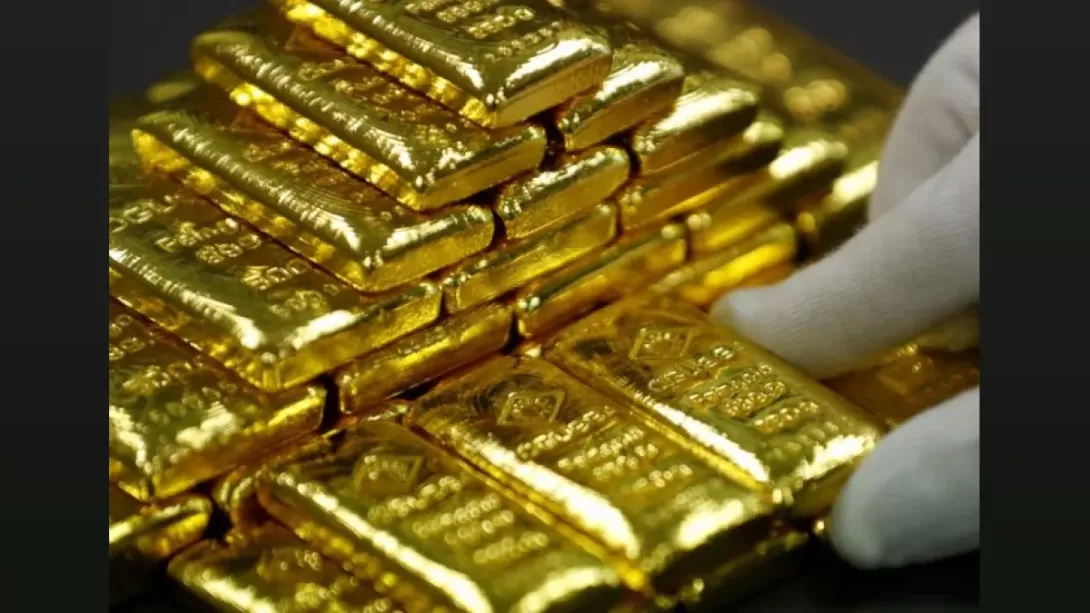
India’s gold imports have skyrocketed, with March 2025 witnessing an extraordinary 192.13% year-on-year surge to USD 4.47 billion—largely attributed to soaring global prices and heightened investor demand for safe-haven assets. The fiscal year 2024–25 closed with gold imports totaling USD 58 billion, up 27.27% from the prior year. This surge, while indicative of investor confidence in gold, has deepened India's trade deficit and widened the current account deficit (CAD). With global economic uncertainty, a weakening dollar, and geopolitical volatility as driving forces, India’s heavy reliance on gold has far-reaching macroeconomic consequences, particularly for its fiscal stability and external balances.
Gold Imports Spike on Soaring Prices and Investor Demand
India, the world’s second-largest gold consumer, experienced a dramatic uptick in gold imports in March 2025. According to data from the commerce ministry, imports surged to USD 4.47 billion in March—up from USD 1.53 billion in January—marking a 192.13% jump in just two months. Cumulatively, gold imports for the fiscal year 2024–25 reached USD 58 billion, a significant increase from USD 45.54 billion in 2023–24. This surge reflects a shift in investor behavior, with increasing preference for gold as a safe-haven asset amid global market instability. Contributing factors include heightened geopolitical tensions, asset diversification by central banks, and inflationary concerns, all of which have bolstered demand for the yellow metal.
Record Gold Prices and Weaker Dollar Fuel Demand
On April 17, domestic gold prices in India surged by Rs. 70, hitting an all-time high of Rs. 98,170 per 10 grams in the national capital. The rally in gold prices is being fueled by a weakening US dollar, escalating geopolitical tensions—further intensified by trade protectionist measures from the United States—and concerns about global economic stagnation. The price momentum aligns with international trends, where central banks and institutional investors have ramped up gold holdings as a buffer against market volatility and currency depreciation.
Silver Sees a Sharp Decline Despite Gold's Rally
In contrast to gold, silver experienced a sharp drop in both price and import volume. The white metal saw its price decline by Rs. 1,400 to Rs. 98,000 per kilogram on April 17, down from Rs. 99,400 per kg in the prior session. Silver imports in March 2025 contracted by 85.4% to USD 119.3 million, while cumulative imports for the fiscal year fell by 11.24% to USD 4.82 billion. This divergent trend suggests a preference among investors for gold over silver, potentially due to its higher liquidity, historical performance during economic downturns, and central bank accumulation patterns.
Trade Deficit and CAD Worsen Amid Rising Gold Dependency
India’s rising gold appetite has not come without consequence. The country’s trade deficit widened to USD 21.54 billion in March 2025, pushing the overall deficit for the fiscal year to a historic high of USD 282.82 billion. This, in turn, exacerbated the current account deficit (CAD), which rose to USD 11.5 billion in the December quarter—equivalent to 1.1% of GDP—and further ballooned to USD 37 billion (1.3% of GDP) over April–December 2024. These figures underscore the growing strain on India’s external balances. A persistently high CAD can lead to increased reliance on foreign capital inflows and may pressure the Indian rupee, especially in the face of global economic tightening and volatile capital markets.
Jewellery Sector Benefits, but Exports Remain Muted
India’s jewellery sector, a major consumer of imported gold, reported a modest uptick in outbound trade. Gems and jewellery exports rose by 10.62% year-on-year in March to about USD 3 billion. However, for the full fiscal year, exports fell by 8.84% to USD 29.82 billion from USD 32.7 billion in 2023–24. This suggests that while domestic demand remains robust, international appetite for Indian jewellery has softened, possibly due to subdued global consumer spending and intensified competition from other major gold-exporting economies.
Geopolitical Context and Major Gold Sources
Switzerland remains India's top gold supplier, accounting for roughly 40% of total imports, followed by the UAE (over 16%) and South Africa (about 10%). These trade relationships are vital for sustaining India's jewellery and bullion markets but also highlight the country’s dependency on a narrow band of international suppliers. Volume-wise, gold imports actually declined to 757.15 tonnes in 2024–25 from 795.32 tonnes the year before. This decline, juxtaposed with the surge in value, points to the steep increase in global gold prices.
Conclusion: Balancing Economic Strategy with Market Realities
India’s increasing reliance on gold imports poses a complex challenge for economic policymakers. While gold provides a hedge against uncertainty, excessive imports can destabilize the macroeconomic environment by inflating the trade deficit and worsening the CAD. Balancing domestic demand with external vulnerabilities will require strategic policy recalibration—possibly involving tighter import regulations, promotion of gold recycling, and deeper diversification of forex reserves. As gold continues to glitter in investor portfolios, the need for a sustainable and resilient trade framework becomes even more urgent.
Comments