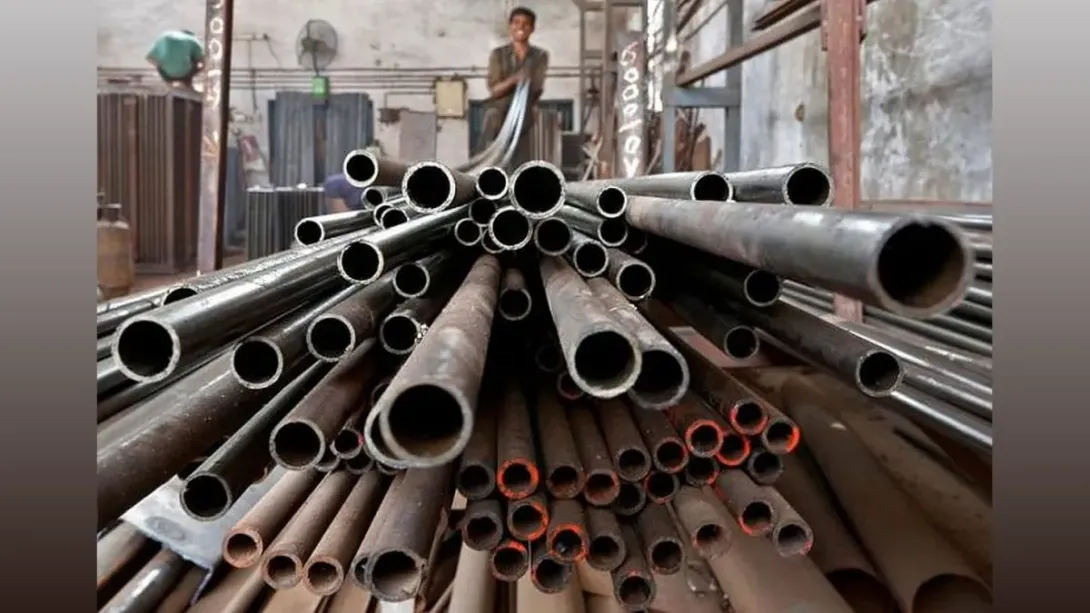
India’s domestic steel producers may soon receive policy support as authorities examine the imposition of safeguard duties on imported steel. The recommendation, aimed at curbing surging imports that threaten local manufacturers, underscores the government’s intent to preserve industry competitiveness while ensuring long-term stability. With rising global supply pressures and subdued demand recovery in key sectors, Indian steelmakers have raised concerns over price undercutting and margin erosion. Policymakers are now weighing safeguard measures to balance industrial growth, protect jobs, and strengthen the sector’s resilience against external shocks.
Rising Concerns Over Steel Imports
India’s steel industry has witnessed a surge in imported products, particularly from regions with excess capacity. Domestic players argue that these inflows are entering the market at prices significantly lower than production costs, leading to distortions in fair competition.
Industry representatives have warned that without corrective policy measures, the situation could undermine domestic capacity utilization, erode profitability, and jeopardize planned investments in new facilities.
Safeguard Duty as a Protective Measure
The safeguard duty under consideration is designed to offer temporary relief to the domestic industry by discouraging unfairly priced imports. Unlike anti-dumping duties, safeguard duties are applied broadly to protect domestic producers from sudden surges in imports, regardless of country of origin.
If implemented, the measure would provide steelmakers a buffer period to strengthen operations, improve efficiency, and realign capacity utilization. This move is expected to support employment in allied sectors and sustain momentum in capital-intensive projects across India.
Implications for Key Sectors
Steel is a critical input for industries such as construction, automobiles, and infrastructure. While safeguard duties may increase raw material costs for downstream players in the short term, analysts believe the long-term benefits of a stable and competitive domestic steel industry outweigh the immediate price impact.
Balancing affordability for end-users and financial health for producers will remain a challenge, but policymakers view safeguard measures as essential to preserving industrial self-reliance in a globally competitive environment.
Policy Outlook and Industry Response
The recommendation reflects a broader trend of protective interventions across strategic industries, particularly amid volatile global trade dynamics. Experts suggest that such measures should be complemented with productivity enhancements, technology upgrades, and a push toward green steel to ensure sustained competitiveness.
Industry leaders have welcomed the proposal, noting that safeguarding domestic players is vital for maintaining India’s status as the world’s second-largest steel producer. However, they also emphasize that structural reforms and demand stimulation remain equally important for long-term sectoral growth.
Comments