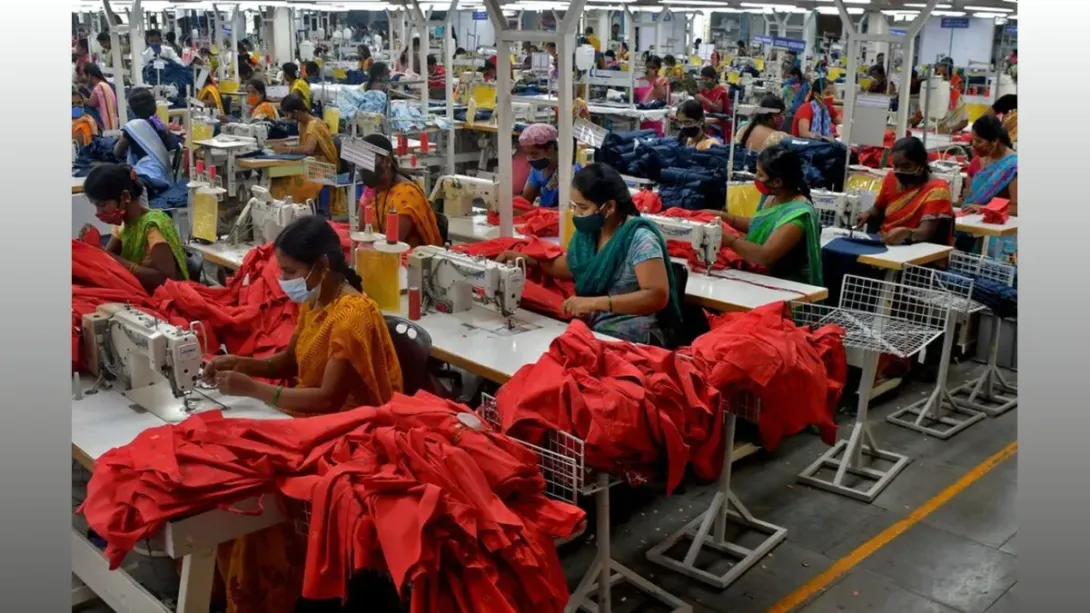
The Indian government has extended the window for duty-free cotton imports until September 30, offering relief to the textile and apparel sectors grappling with rising raw material costs. This measure is expected to stabilize domestic cotton prices, enhance competitiveness for exporters, and provide breathing space to the spinning and garmenting industries that have been under pressure from global supply disruptions. By waiving import duties temporarily, policymakers aim to balance farmer interests with the urgent need for affordable raw materials, ensuring continuity in production and safeguarding India’s position in global textile trade.
Relief for the Textile Industry
The textile industry, one of India’s largest employers and export contributors, has been facing volatility in cotton availability and pricing. The extension of duty-free imports comes as a timely intervention, enabling mills to secure cotton at lower costs during peak demand months. Without this support, many mid-sized manufacturers risked supply chain disruptions, reduced margins, or even production cuts.
Stabilizing Prices and Supporting Exports
Domestic cotton prices have remained firm in recent months, partly due to weather-related uncertainties and tight global supplies. By allowing duty-free imports, the government aims to ease pressure on manufacturers while curbing inflationary trends in the value chain. For exporters, particularly those in the apparel and home textiles segments, reduced input costs will help preserve global competitiveness at a time when rivals like Bangladesh and Vietnam are offering more competitive pricing.
Balancing Farmers’ Interests
While the decision supports manufacturers, policymakers face the delicate task of protecting farmers’ earnings. Cotton cultivators often benefit from higher domestic prices, but unchecked inflation in raw material costs can strain downstream industries. The limited timeframe until September 30 indicates a calibrated approach—providing relief to manufacturers without permanently altering the pricing dynamics for growers.
Industry Response and Market Outlook
Industry representatives have welcomed the move, noting that duty-free imports will bring much-needed stability during the current financial year. However, they emphasize the need for long-term policies that promote sustainable cotton production, encourage diversification of sourcing, and protect the interests of both farmers and manufacturers. Market watchers suggest that cotton imports in the coming weeks could rise significantly as mills rush to take advantage of the duty-free window.
Conclusion
The extension of duty-free cotton imports underscores the government’s efforts to maintain equilibrium in a critical sector of the economy. While the measure is temporary, its impact could be far-reaching—supporting exporters, stabilizing prices, and ensuring supply continuity. As global textile demand rebounds, the success of this intervention will depend on how effectively stakeholders balance short-term relief with long-term sustainability.
Comments