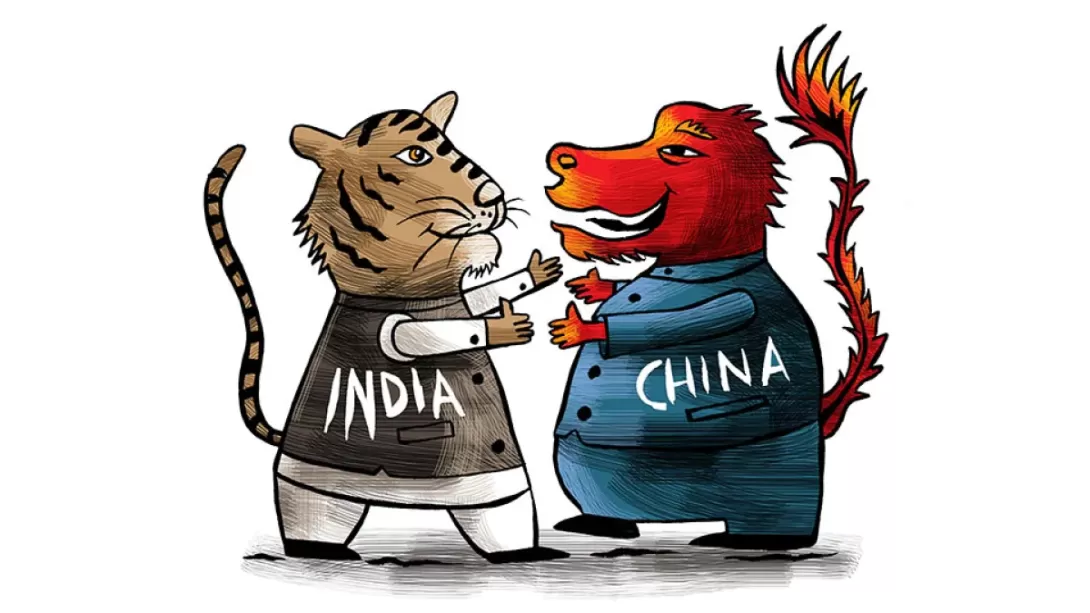
India's Ministry of Commerce, through its investigation arm DGTR, has issued final findings in 13 anti-dumping cases, predominantly targeting China. These measures are part of the country's broader strategy to address unfair trade practices and protect domestic industries from the influx of cheap foreign goods. As global trade tensions intensify, particularly between the US and China, India has seen a significant rise in imports, exacerbating its trade imbalance, especially with China. The DGTR’s role in overseeing these investigations has become increasingly crucial as India works to create a level playing field for its industries.
India's Growing Focus on Anti-Dumping Measures
In March 2024, the Directorate General of Trade Remedies (DGTR), an agency under India's Ministry of Commerce, concluded 13 anti-dumping investigations. The majority of these cases were directed at Chinese products, highlighting the ongoing challenges posed by unfair trade practices. The final findings covered a range of goods, including vitamin-A palmitate, insoluble sulphur, aluminium foil, plastic processing machines, digital offset printing plates, and decor paper.
Anti-dumping measures, which involve the imposition of duties on foreign goods deemed to be sold at unfairly low prices, are designed to protect local industries from predatory pricing. The government’s decisive action reflects a broader strategy to shield Indian manufacturers from the economic distortions caused by dumped goods.
A Rising Tide of Unfair Trade Practices
Of the 13 investigations, 12 were directed at Chinese exports, underscoring the growing tension in trade relations between India and China. However, other countries, including Japan, Taiwan, Russia, and the European Union, were also part of these probes. The DGTR’s role in investigating and imposing trade remedies is critical in the context of a global trade environment that has been increasingly marked by protectionist policies.
These investigations and the resulting measures are part of India's broader efforts to combat the rise in unfair trade practices, especially as the country becomes a target for diverted goods amid escalating global tariffs. Notably, the United States has imposed tariffs of up to 245% on Chinese goods, while China has retaliated with tariffs of up to 125% on U.S. imports. This ongoing trade war has made global markets more volatile and could shift trade flows, leading to further challenges for India.
Trade Imbalance with China: The Bigger Picture
The increasing incidence of anti-dumping cases comes against the backdrop of India’s widening trade deficit with China. In fiscal year 2024-25, India's exports to China saw a notable contraction of 14.5%, dropping from USD 16.66 billion in 2023-24 to USD 14.25 billion. However, the imports from China surged by 11.5%, reaching USD 113.45 billion, up from USD 101.73 billion the previous year.
This sharp increase in imports has contributed to a widening trade deficit with China, which now stands at approximately USD 99.2 billion for fiscal 2024-25, a 17% rise from USD 85.07 billion in 2023-24. Despite the growing trade imbalance, China remains India’s second-largest trading partner, with two-way commerce totaling USD 127.7 billion in 2024-25, compared to USD 118.4 billion in the previous year.
India’s Strategy: Safeguarding Domestic Industries
As the global trade landscape becomes more uncertain, India has been taking proactive steps to protect its industries from the influx of cheap, dumped products. The DGTR’s investigations and the subsequent anti-dumping duties are part of a larger framework of trade remedial measures designed to safeguard Indian businesses. With the rising risk of goods being diverted to India due to tariffs imposed by other countries, these protective measures are increasingly important.
Additionally, the Indian government has established an inter-ministerial import surge monitoring group to track and manage imports more effectively. This body plays a crucial role in ensuring that the country’s trade policies are well-coordinated and that any unusual surges in imports are monitored and addressed swiftly.
Global Trade Tensions and Their Impact on India
The global trade environment has become increasingly strained, with countries like the U.S. and China imposing heavy tariffs on each other’s goods. The knock-on effect of these tariffs has been the diversion of goods to other markets, including India, which could result in an influx of cheaper, potentially substandard products. The Indian government’s robust response through anti-dumping measures is aimed at ensuring that Indian manufacturers are not unfairly disadvantaged by such practices.
India’s ability to navigate these trade tensions and effectively manage imports through measures such as anti-dumping duties will be crucial in protecting its industries and ensuring sustainable economic growth. By maintaining a strict stance on unfair trade practices, India is positioning itself to defend its domestic industries while keeping global markets stable.
Conclusion: A Long-Term Strategy for Economic Balance
India’s increasing reliance on anti-dumping measures reflects a strategic push to safeguard its industries against external pressures. With its growing trade deficit with China and rising imports, India’s focus on addressing unfair trade practices is essential for long-term economic stability. The country’s proactive stance in trade investigations and measures, such as the DGTR’s work and the inter-ministerial monitoring group, demonstrates a commitment to maintaining a level playing field for domestic manufacturers.
As global trade relations continue to evolve, India’s role as both an importer and exporter will require careful navigation, ensuring that its domestic industries are shielded from harmful trade practices while continuing to grow its international trade footprint.
Comments