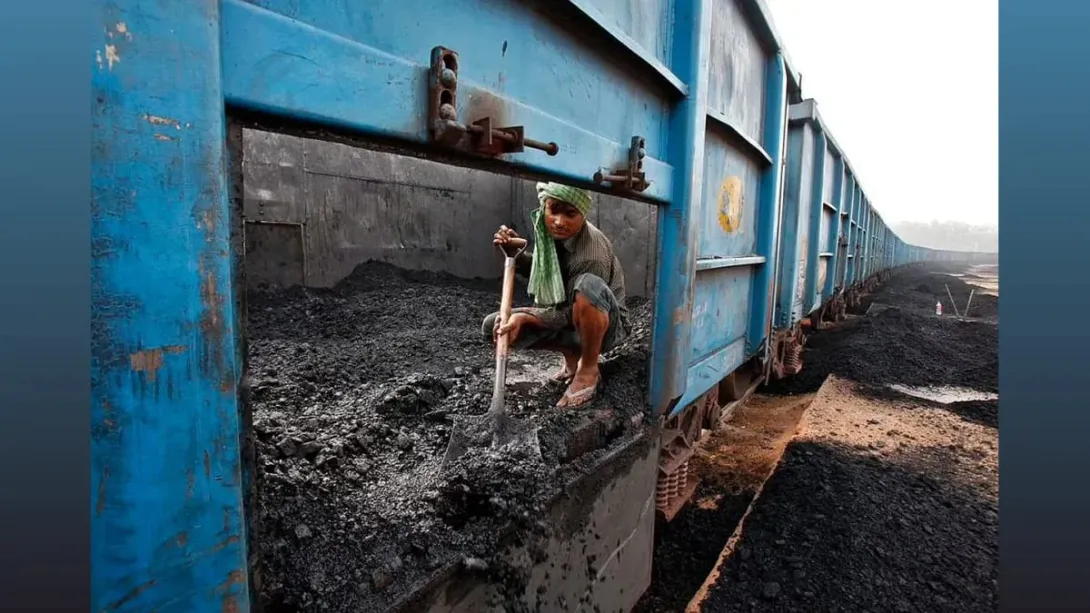
India’s Power Minister has reassured that the country’s coal reserves are sufficient to meet present and near-term energy requirements, easing concerns of shortages amid rising electricity consumption. With the economy experiencing sustained growth and peak power demand surging, coal remains a critical component of the national energy mix. The minister emphasized that coal supplies to thermal power plants are being closely monitored and logistics streamlined to ensure uninterrupted electricity generation. While renewable energy adoption continues to expand, officials reiterated that coal will remain central to India’s energy security strategy until large-scale alternative sources reach full maturity.
Rising Energy Demand and Policy Response
India’s electricity consumption has witnessed consistent growth, with peak demand touching record highs during summer months. This has fueled apprehensions about supply shortfalls, especially as industries, households, and infrastructure projects increasingly rely on uninterrupted power.
In response, the Power Minister confirmed that coal inventories at power stations and central stockyards are adequate to sustain demand. Authorities are maintaining daily oversight on stock positions while coordinating with railways and coal producers to ensure timely transportation.
Coal’s Role in India’s Energy Mix
Despite significant investments in renewable capacity, coal-fired power plants continue to generate over 70 percent of India’s electricity. Policymakers argue that coal, being domestically available and relatively cost-effective, provides stability to the grid during periods of high demand.
The minister acknowledged the government’s parallel focus on clean energy expansion but stressed that coal will remain indispensable for at least the next decade. Bridging the transition requires balancing sustainability goals with practical reliability in meeting industrial and residential consumption.
Logistics and Supply Chain Safeguards
A key challenge in coal supply is not production but transportation. To address this, the government has ramped up coordination with Indian Railways to ensure timely rakes reach power plants. Furthermore, stockpiling norms have been strengthened, requiring thermal power plants to maintain minimum coal inventories as a buffer against unexpected demand surges.
Industry experts note that while domestic production is improving, import dependence for certain grades of coal persists. However, India has diversified supply contracts to mitigate risks arising from global price volatility.
Outlook: Balancing Reliability and Transition
The government’s assurance of adequate coal supply provides short-term confidence to industries and consumers alike. Yet, as India pursues its ambitious renewable energy targets—aiming for 500 GW of clean capacity by 2030—the long-term challenge will be gradually reducing coal dependency without disrupting energy security.
For now, coal remains the backbone of India’s power generation strategy, underpinning industrial growth and household consumption. The minister’s remarks signal that while the transition to greener alternatives is underway, ensuring reliable power through sufficient coal reserves will remain a top policy priority.
Comments