India’s transition toward ethanol-blended petrol, particularly the rollout of E20 fuel, is drawing attention for its potential environmental and economic implications. While the government envisions reduced oil imports and a cleaner energy mix, industry experts and consumers remain cautious about the fuel’s impact on vehicle efficiency and long-term maintenance costs. Automakers are preparing for the shift, but concerns linger over reduced mileage, engine wear, and the financial burden on motorists. The debate underscores the balance between sustainability goals and the practical challenges of large-scale adoption in India’s automotive landscape.
Understanding the E20 Petrol Transition
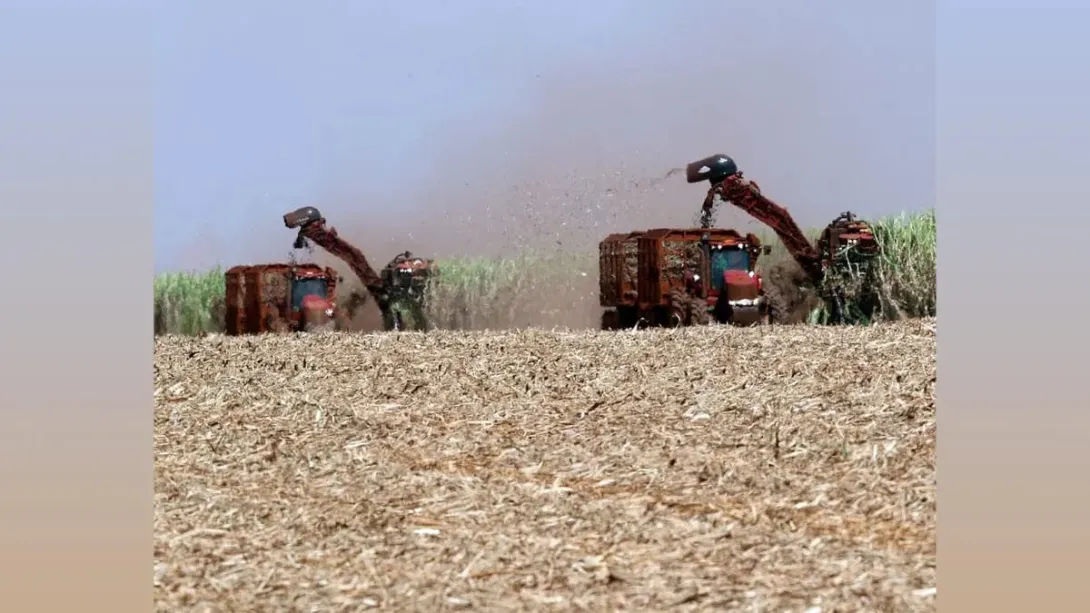
E20 petrol is a blend of 20 percent ethanol with 80 percent traditional petrol. India’s adoption of this fuel aligns with its broader energy security and environmental objectives, reducing reliance on fossil fuels and supporting domestic ethanol production, largely from sugarcane and grain-based sources. The government has set an ambitious target of nationwide E20 availability by 2025, positioning it as a critical step toward a cleaner energy future.
Impact on Fuel Efficiency
A key concern with E20 fuel is its effect on mileage. Ethanol has a lower calorific value than petrol, meaning vehicles running on E20 may experience a reduction in fuel efficiency by 6 to 8 percent in comparison with conventional petrol. For everyday consumers, this translates into higher operating costs, potentially offsetting some of the economic benefits intended by blending policies. This drop in mileage is particularly critical in a price-sensitive market such as India, where cost per kilometer remains a decisive factor for buyers.
Automotive Compatibility and Engine Health
While automakers are developing and launching E20-compatible vehicles, a large portion of India’s current fleet was designed primarily for E10 fuel. Using E20 in older engines may cause accelerated wear, corrosion of components, and higher maintenance costs over time. Industry experts note that ethanol’s hygroscopic nature—its tendency to absorb water—can also affect fuel system integrity if vehicles are not specifically engineered for the blend. This raises the challenge of managing a dual-fuel market during the transition period, as millions of vehicles on the road may not be optimized for E20 use.
Environmental and Economic Dimensions
On the positive side, E20 adoption promises to reduce carbon emissions and support India’s commitments toward clean energy. The policy is also expected to boost rural economies by increasing demand for ethanol derived from agricultural feedstock. However, the environmental gains must be weighed against the energy and water intensity of ethanol production, particularly in water-stressed regions. Economically, while blending reduces crude import bills, the possible rise in consumer fuel expenses due to lower mileage cannot be overlooked.
Way Forward
The success of the E20 initiative will hinge on a balanced approach: rapid expansion of E20-compatible vehicles, consumer education, and financial safeguards to prevent additional costs from burdening motorists. Parallel investments in advanced engine technology and biofuel infrastructure will also be vital. As India accelerates its ethanol roadmap, the real test lies in ensuring that sustainability goals complement consumer affordability and automotive reliability.
Comments