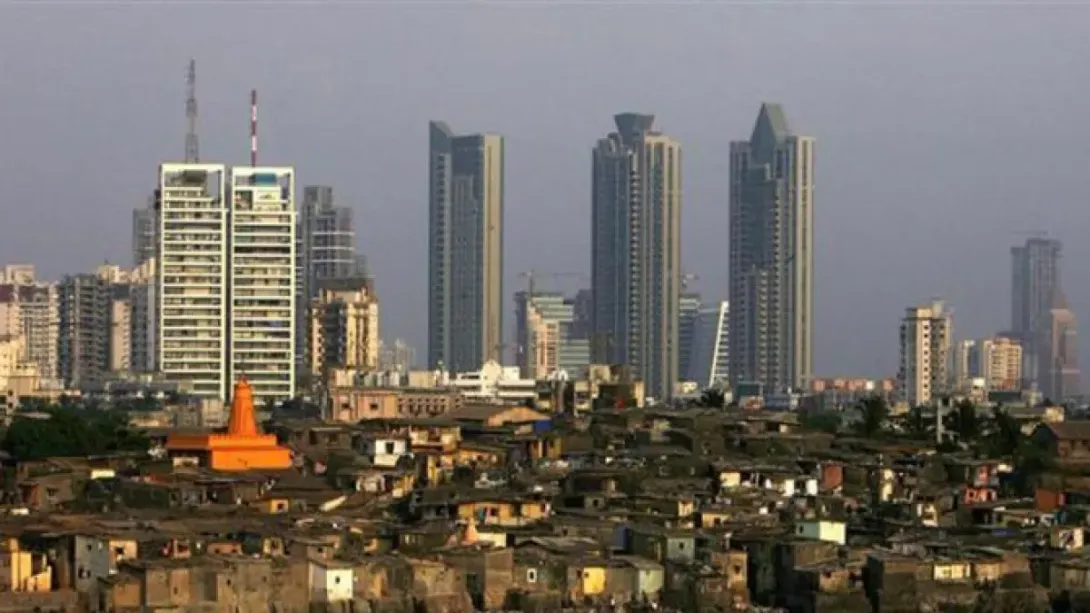
India’s real estate sector posted robust performance in the April–June quarter, registering property sales worth Rs. 53,000 crore across major markets. The surge reflects sustained demand in both residential and commercial segments, supported by stable interest rates, rising consumer confidence, and steady inflows from institutional investors. Premium housing witnessed particularly strong traction, with affluent buyers driving volumes in metropolitan cities. Developers also benefited from improved project completions and timely delivery, which further strengthened buyer trust. Despite global economic headwinds, India’s realty sector has demonstrated resilience, reaffirming its role as a key contributor to the country’s growth story.
Strong Sales Momentum Across Segments
The real estate industry has maintained a steady pace of growth, with residential properties continuing to dominate the market. Rising disposable incomes, favorable home loan policies, and evolving lifestyle preferences have bolstered demand, particularly in mid- and premium housing categories.
Commercial real estate also gained momentum, supported by steady office leasing activity and renewed investor interest in retail spaces. Industry experts highlight that the April–June quarter indicates not only strong sales but also growing confidence in India’s property market as a long-term investment avenue.
Metro Cities Lead the Growth
The bulk of sales during the quarter was concentrated in metropolitan hubs such as Mumbai, Delhi-NCR, Bengaluru, Pune, and Hyderabad. These cities benefited from heightened demand for luxury residences, with developers reporting strong bookings in high-value projects.
Affordable housing, though still relevant, witnessed slower momentum compared to the premium and mid-income segments. Analysts attribute this shift to changing consumer behavior, where buyers with higher purchasing power are prioritizing larger spaces, better amenities, and integrated township developments.
Factors Driving the Surge
Several factors contributed to the Rs. 53,000 crore sales milestone. Stable lending rates kept home loan affordability intact, while developers’ emphasis on project transparency and timely handovers boosted consumer confidence.
Additionally, foreign and domestic institutional investors have continued to view Indian real estate as an attractive asset class, channeling funds into residential, office, and warehousing projects. Digital platforms for property discovery and financing also played a crucial role in streamlining transactions, making the buying process more seamless for customers.
Challenges and Outlook
While the performance has been encouraging, challenges remain. Rising construction costs, regulatory complexities, and global economic uncertainties could affect sentiment in the coming quarters. Developers are also under pressure to balance affordability with premium offerings as consumer expectations evolve.
Nonetheless, the medium-term outlook remains optimistic. Industry analysts expect sustained demand in metropolitan markets, continued institutional inflows, and stronger developer balance sheets to drive growth in the second half of the year.
Conclusion
The Rs. 53,000 crore sales achieved in the April–June quarter underscore the resilience and dynamism of India’s real estate sector. Despite challenges, the industry has capitalized on favorable economic conditions and consumer confidence, particularly in premium housing. Looking ahead, the sector is poised to remain a cornerstone of India’s growth trajectory, supported by urbanization trends, rising incomes, and sustained investor interest. For stakeholders, the quarter’s performance signals both stability and opportunity in one of the country’s most vital economic engines.
Comments