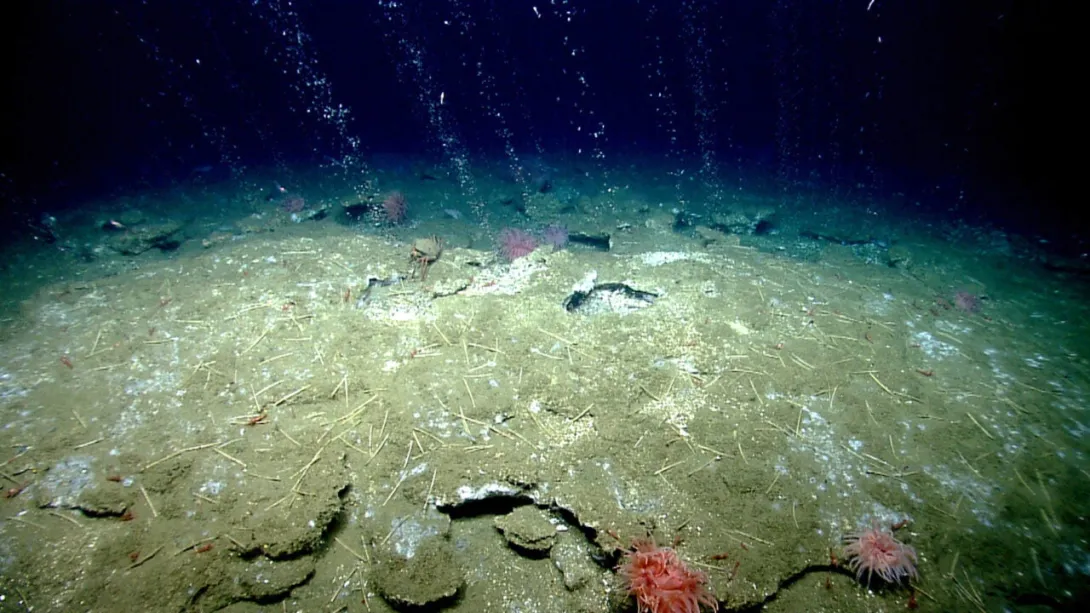
In a major scientific breakthrough, researchers have identified how microbial communities cooperate to degrade methane, one of the most powerful greenhouse gases driving climate change. The discovery highlights the intricate partnerships between different microorganisms that exchange nutrients and energy to metabolize methane efficiently. This revelation could reshape strategies for reducing greenhouse gas emissions by leveraging natural microbial processes. Beyond climate science, the findings hold promise for advancing biotechnology, including waste treatment and renewable energy generation. By uncovering this cooperative mechanism, scientists provide a deeper understanding of nature’s capacity to regulate Earth’s atmosphere and potentially aid in combating global warming.
Methane: A Climate Challenge
Methane is recognized as a greenhouse gas nearly 30 times more potent than carbon dioxide over a 100-year period. Despite its smaller concentration in the atmosphere, methane has a disproportionate effect on global warming. Understanding how it is naturally removed from ecosystems is therefore critical for developing climate-mitigation strategies.
Microbial Partnerships in Action
Scientists have found that the breakdown of methane is not the task of a single organism but rather a cooperative effort between different microbial species. One group of microbes oxidizes methane into simpler compounds, while partner organisms utilize byproducts, ensuring a continuous flow of energy. This collaboration, often occurring in oxygen-poor environments such as wetlands and sediments, enhances the efficiency of methane consumption.
Insights into Environmental Regulation
This microbial teamwork sheds light on how natural systems regulate atmospheric composition. Wetlands, rice paddies, and marine sediments—traditionally seen as methane hotspots—also serve as balancing systems where microbial cooperation mitigates emissions. The discovery underscores the importance of conserving these ecosystems, as disrupting them could weaken Earth’s natural defense against climate change.
Potential for Technological Innovation
Beyond environmental regulation, the findings open new possibilities for applied science. Harnessing microbial partnerships could help design more effective bioreactors for waste treatment, where methane emissions are a persistent problem. Similarly, biotechnology applications might explore engineered microbial systems for renewable energy production, transforming methane into usable fuels.
Conclusion
The revelation of microbial cooperation in consuming methane underscores a powerful natural mechanism that both sustains ecological balance and offers potential solutions for humanity’s climate challenges. By tapping into this intricate biological process, researchers may unlock innovative approaches to reduce greenhouse gas emissions while simultaneously advancing sustainable technologies.
Comments