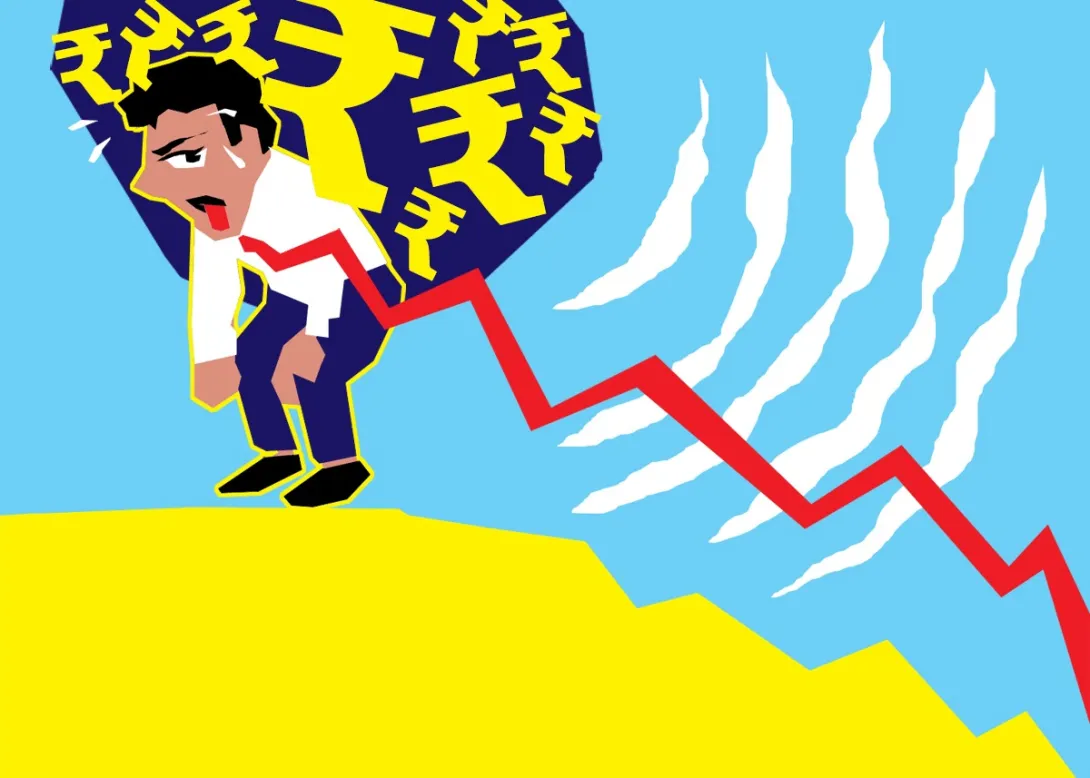
Indian equity markets witnessed a sharp downturn as the benchmark Sensex plummeted 706 points on Wednesday, dragged down by renewed fears stemming from the United States’ imposition of fresh tariffs on imports. Investor sentiment soured amid concerns that rising trade barriers could dampen global growth prospects and weaken India’s export performance. With key sectors such as IT, metals, and textiles likely to face ripple effects, the sell-off reflected both global uncertainty and domestic anxieties. Analysts warn that volatility may persist as markets recalibrate to shifting geopolitical and economic headwinds.
Market Reaction to US Tariffs
The announcement of additional US tariffs reverberated across global exchanges, triggering widespread sell-offs. In India, the Sensex closed 706 points lower, marking one of its steepest single-day declines in recent months. The Nifty50 also retreated significantly, breaching key support levels as traders reduced risk exposure.
Market analysts attribute the slide to heightened concerns over India’s export competitiveness in light of escalating trade frictions. Investors also worried about the potential for capital outflows, as global funds reassess emerging market allocations in the face of economic uncertainty.
Sectoral Impact: IT, Metals, and Export-Driven Stocks
Export-reliant stocks bore the brunt of the downturn. IT majors slipped on fears of reduced outsourcing demand from US clients, while metal companies declined due to expectations of weaker global industrial demand. Textiles and gem-and-jewelry counters, already under strain from slowing exports, also faced intensified selling pressure.
Banking and financial stocks experienced collateral damage, as concerns mounted over potential stress in credit flows if global demand weakens further. Meanwhile, defensive sectors such as pharmaceuticals and FMCG managed to limit losses, providing a degree of balance to the broader index.
Global Cues and Investor Sentiment
The Indian market’s slump mirrored global trends, with Asian and European indices registering similar declines. Wall Street futures also pointed to volatility, as investors braced for prolonged trade disputes between the US and its key partners.
Foreign institutional investors (FIIs), who had been net buyers in recent weeks, turned cautious, sparking fears of renewed capital flight. Domestic institutional investors (DIIs), however, offered partial support by absorbing some of the selling pressure.
Policy and Economic Implications
The tariff escalation comes at a delicate time for India, where policymakers are attempting to bolster growth through investment and fiscal incentives. Export-driven sectors, particularly small and medium enterprises (SMEs), face heightened risk of order cancellations and margin pressures.
Experts suggest that the government may need to accelerate trade diversification efforts, tapping into alternative markets in Asia, Africa, and the Middle East to mitigate dependency on the US. In parallel, supportive fiscal measures—such as credit easing and export incentives—are being called for to cushion businesses against external shocks.
Outlook: Volatility Ahead
While Wednesday’s decline underscores investor unease, analysts caution against panic, noting that India’s long-term fundamentals remain intact. Domestic consumption, robust digital adoption, and policy-led infrastructure growth continue to underpin resilience.
However, in the short term, market volatility is expected to persist as traders track global trade developments, currency fluctuations, and policy responses. For investors, experts recommend adopting a cautious strategy, focusing on defensive sectors and companies with strong balance sheets until clarity emerges on the tariff front.
Comments