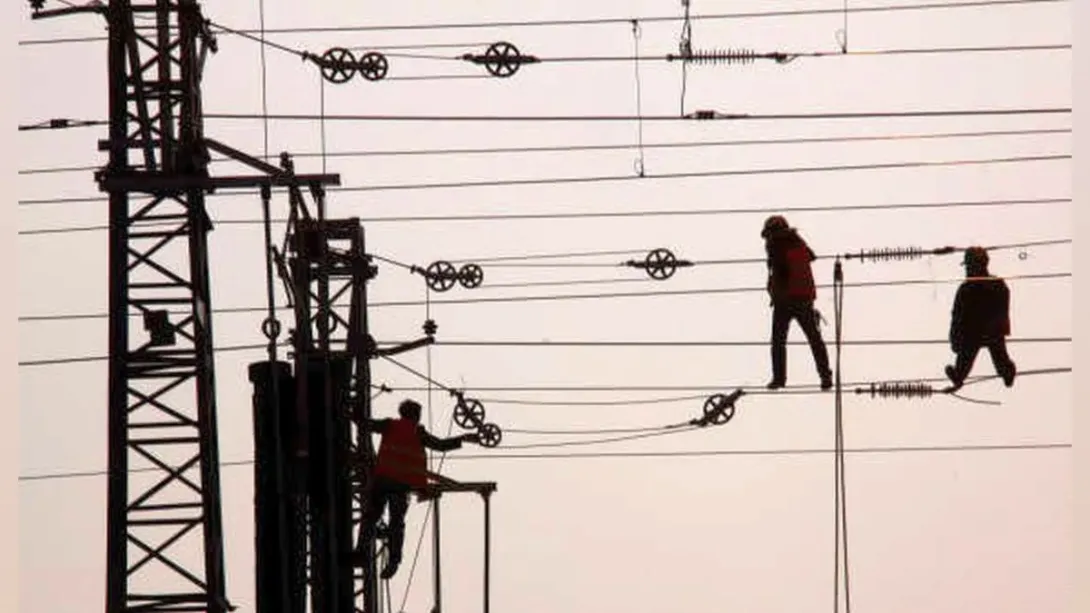
Delhi’s electricity regulators are evaluating a proposal to introduce a monthly fuel surcharge mechanism that would allow distribution companies (discoms) to pass on fluctuations in power purchase costs directly to consumers. The proposal, aimed at reducing the financial stress on discoms and ensuring timely recovery of costs, could lead to more dynamic billing for households and businesses in the capital. While the measure promises transparency and stability for power suppliers, it also raises concerns about potential volatility in consumer electricity bills, especially during periods of rising fuel costs.
The Rationale Behind the Proposal
The Delhi Electricity Regulatory Commission (DERC) is considering the monthly fuel surcharge framework as a way to address the recurring issue of delayed cost recovery by discoms. Currently, adjustments for variations in fuel costs—whether coal, gas, or renewable energy inputs—are calculated and implemented on a quarterly or annual basis. This time lag often results in mounting dues for discoms and cash flow pressures, undermining their ability to purchase power efficiently. A monthly adjustment, regulators argue, would smoothen cash flows and reflect market realities more accurately.
Potential Impact on Consumers
If implemented, the new framework could translate into more frequent fluctuations in electricity bills. For consumers, this means bills may rise or fall in line with changing fuel prices, offering a direct reflection of energy market dynamics. While proponents highlight that the surcharge could be minimal in stable fuel markets, critics warn that any surge in global coal or gas prices may quickly trickle down to end users. For middle-class households and small businesses, this unpredictability could strain budgets.
Industry and Regulatory Perspectives
Energy analysts believe that monthly pass-through mechanisms are a global best practice that enhances transparency and aligns consumer pricing with actual costs. For discoms, the shift could mean reduced reliance on borrowing to bridge revenue gaps. However, regulators will need to strike a balance between protecting consumers from sharp price spikes and ensuring the financial sustainability of power suppliers. Measures such as capping surcharges or spreading adjustments across billing cycles may be considered to mitigate shocks.
Broader Implications for Delhi’s Power Sector
The move also signals a broader push toward reforms in Delhi’s electricity sector, where cost recovery and financial health of discoms have been persistent concerns. Introducing a monthly fuel surcharge could reduce the accumulation of regulatory assets—essentially unpaid dues—and bring greater financial discipline to the sector. It also complements the city’s push for cleaner energy sources, as cost transparency may incentivize greater reliance on renewables with lower price volatility compared to fossil fuels.
Conclusion
The proposed monthly fuel surcharge in Delhi represents a significant shift in electricity pricing policy, aiming to align consumer tariffs more closely with real-time energy costs. While it offers a pragmatic solution for discoms grappling with rising input costs, its success will depend on regulatory safeguards that cushion consumers from excessive volatility. If implemented judiciously, the mechanism could strengthen the financial backbone of Delhi’s power sector while promoting transparency and accountability in energy pricing.
Comments