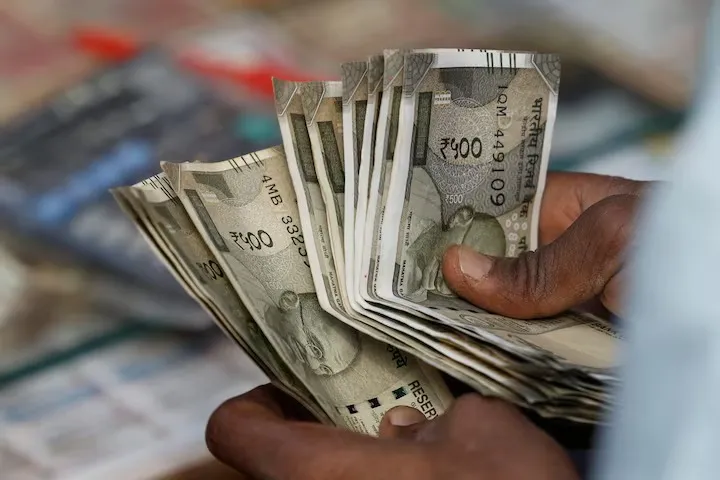
The Indian rupee plummeted to an all-time low against the US dollar, reflecting a confluence of domestic economic pressures and global market volatility. Analysts cite rising crude oil prices, widening trade deficits, and foreign capital outflows as key drivers of the depreciation. The Reserve Bank of India (RBI) has been closely monitoring currency fluctuations, balancing intervention with macroeconomic stability. The weakening rupee has implications for import costs, inflationary pressures, and corporate earnings in dollar-denominated transactions. Market participants are evaluating hedging strategies and policy responses, highlighting the interconnected nature of currency markets, global capital flows, and India’s Rs. 30,000+ billion economy.
Factors Driving the Rupee’s Decline
Several structural and cyclical factors contributed to the rupee’s depreciation:
Rising Crude Oil Prices: India imports over 80% of its crude requirements, and higher global oil prices increase the demand for US dollars, exerting downward pressure on the rupee.
Trade Deficit Expansion: Persistent import growth outpacing exports has widened the trade gap, creating additional demand for foreign currency.
Foreign Capital Outflows: Equity and debt market sell-offs by foreign institutional investors have reduced dollar inflows, impacting liquidity and currency stability.
RBI Intervention and Policy Measures
The Reserve Bank of India has historically employed both direct and indirect tools to stabilize the rupee. These include:
Forex Market Intervention: Selling US dollars to support the domestic currency.
Monetary Policy Adjustments: Modulating interest rates to influence capital flows.
Communication Strategy: Signaling policy intent to calm markets and anchor expectations.
Analysts emphasize that RBI’s calibrated interventions aim to balance currency stability with inflation control and economic growth objectives.
Economic and Market Implications
The rupee’s depreciation impacts multiple sectors:
Imports and Inflation: Higher import costs, especially for crude oil and capital goods, may translate into consumer price increases.
Corporate Earnings: Companies with significant foreign currency exposure face increased repayment burdens and cost pressures.
Investor Sentiment: Currency volatility can influence foreign portfolio investment decisions and market valuations.
Long-term currency weakness may encourage import substitution, promote domestic production, and incentivize exporters, creating mixed outcomes for the Rs. 30,000+ billion economy.
Global Context and Outlook
The rupee’s performance is also influenced by global financial trends, including US Federal Reserve policy, dollar strength, and geopolitical developments. Analysts project that sustained volatility may persist until global interest rates stabilize and India’s trade and capital account conditions improve. Hedging strategies and prudent fiscal measures will be key to mitigating risks for corporates and investors.
Conclusion
The Indian rupee’s record low against the US dollar underscores the complex interplay of global and domestic economic factors. While the short-term impact may challenge importers, corporates, and investors, strategic policy interventions and market adaptations can mitigate risks. Monitoring oil prices, capital flows, and RBI measures will remain essential for managing currency volatility and supporting India’s Rs. 30,000+ billion economy through turbulent global financial conditions.
Comments