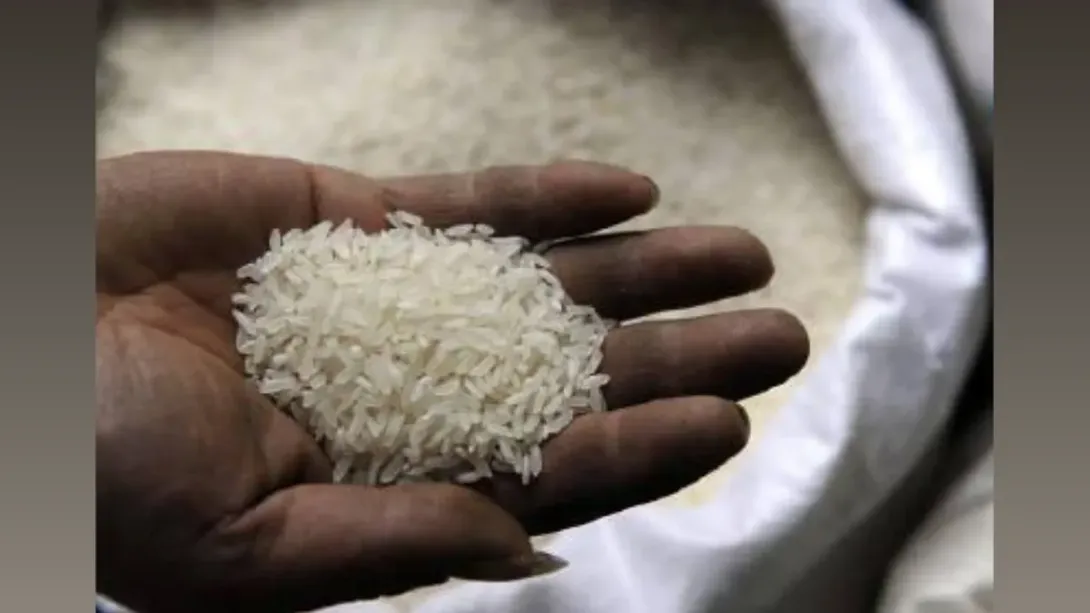
India, the world’s largest rice exporter, is intensifying efforts to expand its footprint in the Philippines, a country grappling with food security concerns and heavy reliance on rice imports. As global markets face tightening supplies due to climatic disruptions and export restrictions by some producing nations, India is positioning itself as a dependable supplier for Southeast Asia’s growing needs. The move not only strengthens India’s trade ties with the Philippines but also underscores its broader strategy of consolidating influence in key agricultural markets. Analysts believe this initiative could enhance bilateral relations while boosting India’s foreign exchange earnings.
---
Strategic Push into Southeast Asia
India’s decision to increase rice shipments to the Philippines comes at a time when the archipelago is experiencing heightened dependence on imports to stabilize domestic prices. With its expanding population and limited arable land, the Philippines has emerged as one of the largest rice importers globally, offering a lucrative opportunity for exporters.
By proactively targeting this market, India is seeking to consolidate its dominance in the global rice trade. The initiative aligns with New Delhi’s larger export strategy of diversifying buyer bases and deepening engagement with Southeast Asian economies.
---
Meeting Supply Gaps in the Philippines
The Philippines has been contending with volatile rice supplies, driven by climatic challenges such as typhoons, erratic rainfall, and rising production costs for farmers. These factors have pushed the government to secure stable and affordable imports to prevent domestic inflationary pressures.
Indian rice, particularly the non-basmati variety, offers competitive pricing and reliable availability, making it attractive for Manila’s procurement agencies. Such shipments are expected to help the Philippines strengthen buffer stocks and ensure food affordability for its population.
---
Economic Implications for India
For India, the Philippines’ rising demand presents both economic and geopolitical benefits. Rice exports contribute significantly to India’s agricultural trade balance, generating substantial foreign exchange earnings. Expanding exports to Manila provides Indian farmers and millers with a larger market, supporting rural incomes while enhancing trade diversification.
Moreover, the initiative bolsters India’s standing as a reliable food supplier in Asia, furthering its influence in the region at a time when global food supply chains are under stress.
---
Balancing Domestic Needs with Exports
While expanding rice exports strengthens India’s trade profile, the government must also balance international commitments with domestic food security priorities. Given rice’s critical role in India’s food subsidy program and its impact on inflation, authorities remain cautious about ensuring adequate reserves for domestic consumption.
Officials are expected to closely monitor production levels, procurement, and stock management to ensure exports do not compromise affordability for Indian consumers.
---
Outlook
India’s push to expand rice exports to the Philippines is a calculated step in consolidating its role as a global food supplier. For Manila, the deal provides a buffer against supply disruptions and price volatility. For India, it offers both economic gains and diplomatic leverage in a strategically important region.
If managed prudently, this partnership could serve as a model for India’s broader agricultural export strategy—balancing domestic needs with international opportunities in a world increasingly defined by food security challenges.
Comments