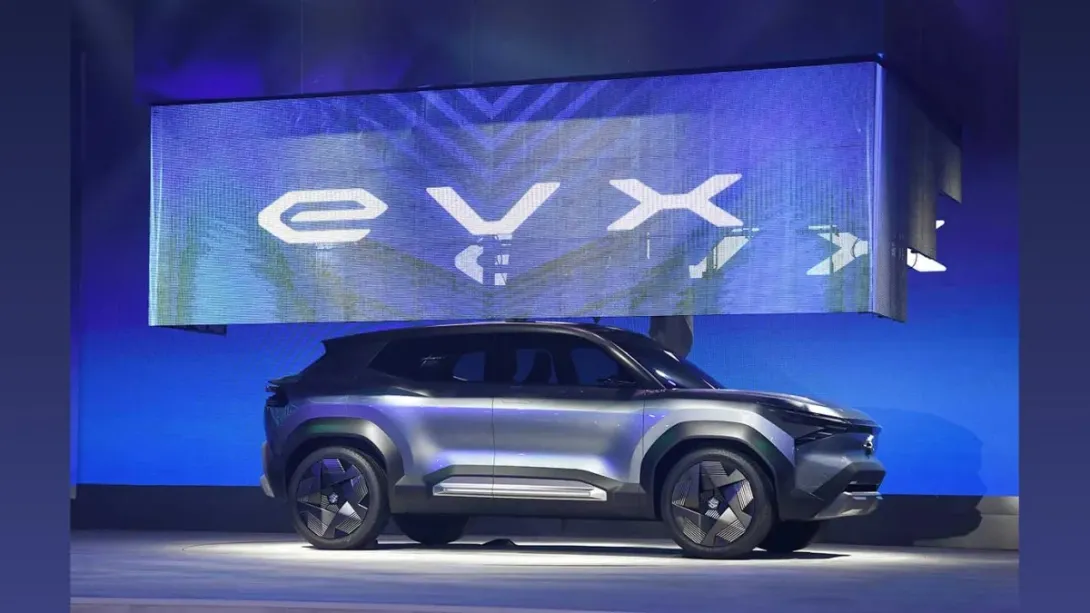
Maruti Suzuki India Ltd. has initiated exports of its much-anticipated electric SUV, the e-Vitara, with the first shipment of more than 2,900 units dispatched to international markets. This milestone underscores the company’s push to position itself as a competitive player in the global electric vehicle (EV) segment while aligning with India’s broader sustainability agenda. The launch into overseas markets not only enhances Maruti Suzuki’s export portfolio but also reflects its strategy of leveraging scale, affordability, and reliability to compete with global automakers in the evolving EV ecosystem.
A Strategic Entry into the EV Export Market
The e-Vitara’s export debut is a landmark for Maruti Suzuki, which has long dominated India’s passenger car market but was perceived as lagging behind in EV adoption. By prioritizing international shipments at the outset, the automaker signals its intention to test global markets while building scale and credibility in the highly competitive electric mobility space. The first batch of 2,900+ units is a clear indication of strong initial demand and the company’s readiness to operate on an international platform.
Aligning with Global and Domestic Sustainability Goals
The move comes at a time when both global and domestic regulatory regimes are tightening around emission standards and sustainability targets. By accelerating its EV exports, Maruti Suzuki demonstrates its alignment with India’s ambition to achieve net-zero carbon emissions by 2070. The e-Vitara, designed with energy efficiency and affordability in mind, represents the company’s effort to democratize electric mobility while addressing consumer concerns around cost, range, and reliability.
Strengthening India’s Position in Global Auto Trade
India has emerged as an increasingly important hub for automobile manufacturing, and Maruti Suzuki’s export of the e-Vitara underscores the country’s potential as a supplier of next-generation vehicles. With global supply chains seeking alternatives beyond traditional manufacturing hubs, India’s cost advantages and skilled workforce provide Maruti with an opportunity to deepen its global presence. Analysts suggest that the e-Vitara could strengthen India’s brand as a credible EV exporter, paving the way for future shipments to Europe, Latin America, and Asia-Pacific markets.
Outlook: Building Scale and Consumer Trust
While the export launch is a strong start, Maruti Suzuki faces stiff competition from global EV leaders who have established significant technological and brand equity. Success will depend on the company’s ability to expand production, integrate advanced battery technologies, and maintain affordability without compromising performance. The e-Vitara’s reception in overseas markets will serve as a critical litmus test for Maruti Suzuki’s long-term EV ambitions, with lessons learned likely shaping its domestic rollout strategy in India.
Comments