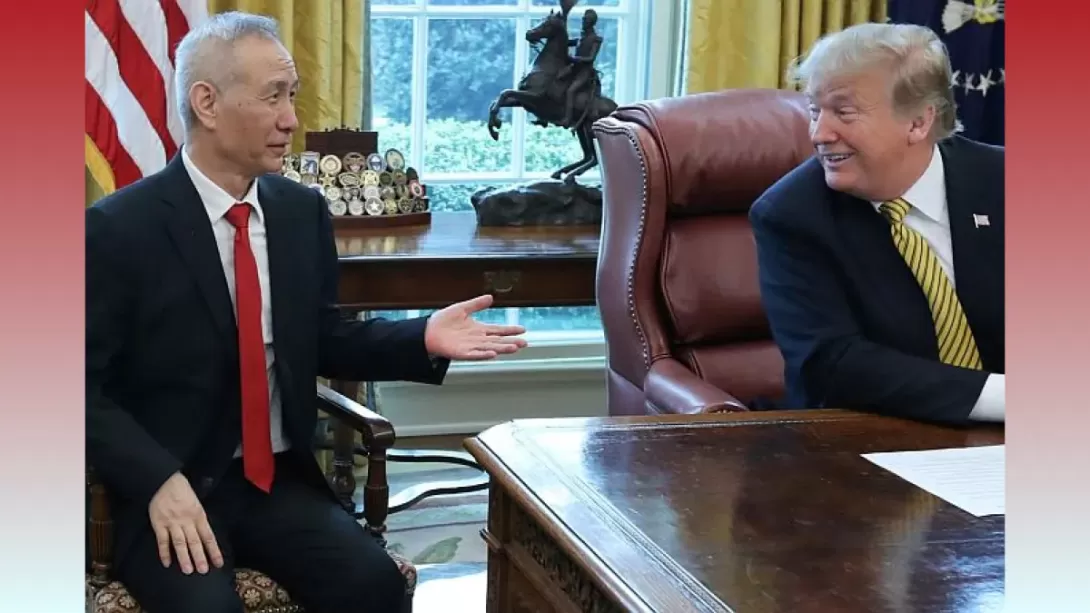
India and the United States are ramping up efforts to finalize a bilateral trade agreement (BTA) as negotiators prepare for a pivotal three-day meeting in Washington starting April 23. The discussions come at a crucial time, with India aiming to secure an “early tranche” of the agreement during a temporary 90-day suspension of U.S. tariffs. This early-stage pact could provide Indian exporters critical relief from new duties while laying the foundation for a broader, more ambitious trade deal. With a goal of boosting bilateral trade to USD 500 billion by 2030, both sides are working to harmonize interests in sectors ranging from semiconductors to textiles.
Early Tranche: A Strategic Stepping Stone
India’s proposal for an “early tranche” reflects a pragmatic approach to fast-track parts of the larger BTA. This initial phase focuses on expanding market access for select goods and reducing non-tariff barriers—without delving into the more complex negotiations around digital trade or government procurement. Crucially, both parties agree that any early-stage agreement must yield reciprocal benefits to proceed.
This phased strategy mirrors India’s prior engagement with Australia through the Economic Cooperation and Trade Agreement (ECTA), which laid the groundwork for a more comprehensive pact. In the current context, securing early wins could help Indian exporters avoid punitive U.S. tariffs and ensure continued competitiveness.
Timing Matters: The 90-Day Tariff Pause
On April 2, the U.S. announced sweeping tariffs on several nations, including India, with baseline duties of 10 percent and higher levies on steel, aluminum, and auto parts. However, a 90-day suspension—effective from April 9 through July 9—offers countries a critical window to negotiate trade deals. China and Hong Kong were notably excluded from this pause and now face duties as high as 245 percent.
India aims to leverage this suspension to secure favorable terms before the window closes. While the tariffs remain partially in effect, exempt categories such as semiconductors, pharmaceuticals, and certain energy products—and more recently, consumer electronics—offer some relief.
Key Elements of the Bilateral Trade Agreement
According to sources familiar with the negotiations, the BTA under discussion spans 19 chapters and includes:
- Tariff and Non-Tariff Barriers: Streamlining customs, reducing duties, and eliminating regulatory hurdles.
- Rules of Origin: Establishing clear guidelines on product sourcing to ensure trade compliance.
- Goods and Services Trade: Enhancing bilateral flows in sectors critical to both economies.
The broader goal is to double bilateral trade from USD 191 billion to USD 500 billion by 2030. The agreement is being negotiated under the strategic framework of COMPACT—Catalyzing Opportunities for Military Partnership, Accelerated Commerce, and Technology.
Sectors Under Focus
While the U.S. seeks tariff concessions for industrial goods, electric vehicles, dairy products, wines, and petrochemicals, India is pushing for lower duties on:
- Textiles and apparel
- Gems and jewellery
- Leather and footwear
- Processed foods and horticulture
- Marine exports such as shrimp
- Plastics, chemicals, and oilseeds
India is also advocating for increased market access in sectors where it maintains a comparative advantage, particularly those that are labor-intensive and vital for domestic employment.
High-Level Engagements Build Momentum
Diplomatic efforts have intensified in recent months. The BTA was formally announced during Prime Minister Narendra Modi’s visit to Washington on February 13, 2025. Subsequently, Commerce Minister Piyush Goyal engaged in bilateral meetings with U.S. officials in early March. Assistant U.S. Trade Representative Brendan Lynch’s late-March visit to India helped build consensus on sectoral engagements, setting the stage for the upcoming in-person negotiations.
The Terms of Reference (ToRs) for the BTA have now been finalized, outlining the scope, structure, and objectives of the negotiations. This clarity has accelerated both bureaucratic and political commitment to move swiftly.
Strategic Implications: Beyond Tariffs
The evolving trade dialogue is not merely economic—it carries significant geopolitical weight. As global supply chains shift, both nations are working to deepen collaboration in critical sectors like semiconductors, pharmaceuticals, and rare earth minerals. Diversifying these supply chains aligns with the strategic objectives of reducing overdependence on a few countries and enhancing resilience.
This aspect of the trade pact dovetails with U.S. initiatives to “friend-shore” its supply chains and India's ambitions to position itself as a trusted global manufacturing hub under the “Make in India” program.
Conclusion: From Dialogue to Execution
The road to a comprehensive BTA is long and complex, but the upcoming negotiations in Washington could be a defining moment. For India, the ability to secure an early tranche offers not only short-term relief from U.S. tariffs but also a chance to shape the architecture of future global trade. As global economic alliances realign and protectionist tendencies rise, strategic, phased trade deals like this one may set the precedent for the next era of international commerce.
The stakes are high—but so is the opportunity.
Comments