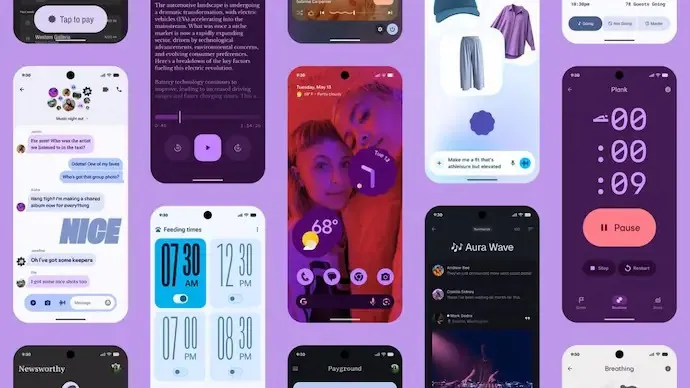
Google has introduced its latest Material 3 Expressive UI update for Pixel smartphones, marking a significant shift in how users interact with Android’s design language. The update refines personalization, accessibility, and visual aesthetics, aiming to deliver a more fluid, intuitive, and user-centric experience. With new color dynamics, improved widget integration, and enhanced theming, Pixel owners gain greater control over device customization while benefiting from a unified design framework. This move underscores Google’s commitment to positioning Pixel as the flagship benchmark for Android innovation and sets the stage for broader adoption of Material 3 across other manufacturers.
Redefining Visual Personalization
The Material 3 Expressive UI emphasizes customization by extending dynamic color schemes across more system apps, widgets, and menus. Users can now apply personalized palettes that adapt to wallpapers and themes, creating a cohesive aesthetic throughout the device. The update also refines typography, iconography, and spacing to improve readability and navigation, ensuring design elegance without compromising usability.
Enhancing User Experience and Accessibility
Beyond aesthetics, the Expressive UI update incorporates accessibility-driven improvements. Features such as higher-contrast themes, optimized layouts, and enhanced animations are designed to reduce visual strain and improve inclusivity for users with varying needs. Google has also streamlined motion effects, offering smoother transitions that reinforce the feeling of a responsive and modern interface.
Competitive Implications in the Smartphone Market
By rolling out Material 3 refinements on its Pixel lineup first, Google strengthens its strategy of using Pixel as the showcase platform for Android’s most advanced features. Analysts suggest this will further differentiate Pixel from rival Android manufacturers and position it as the most “pure” expression of Google’s software vision. As competing brands adopt Material 3, Pixel’s early lead could help the company sustain its momentum in an increasingly crowded premium smartphone market.
The Road Ahead for Android Design
The Material 3 Expressive UI update represents more than a cosmetic refresh; it signals Google’s broader ambition to unify Android’s design ecosystem. With a focus on personalization, accessibility, and seamless user experience, this update lays the groundwork for future iterations of Android, potentially influencing app developers and hardware partners alike.
Conclusion
Google’s release of the Material 3 Expressive UI update reinforces its design-first philosophy while elevating the Pixel experience. By balancing aesthetics with functionality, the company not only enhances user satisfaction but also bolsters its competitive standing in the global smartphone industry. For users, the update offers a more personalized and engaging way to interact with their devices, setting a new benchmark for Android design going forward.
Comments