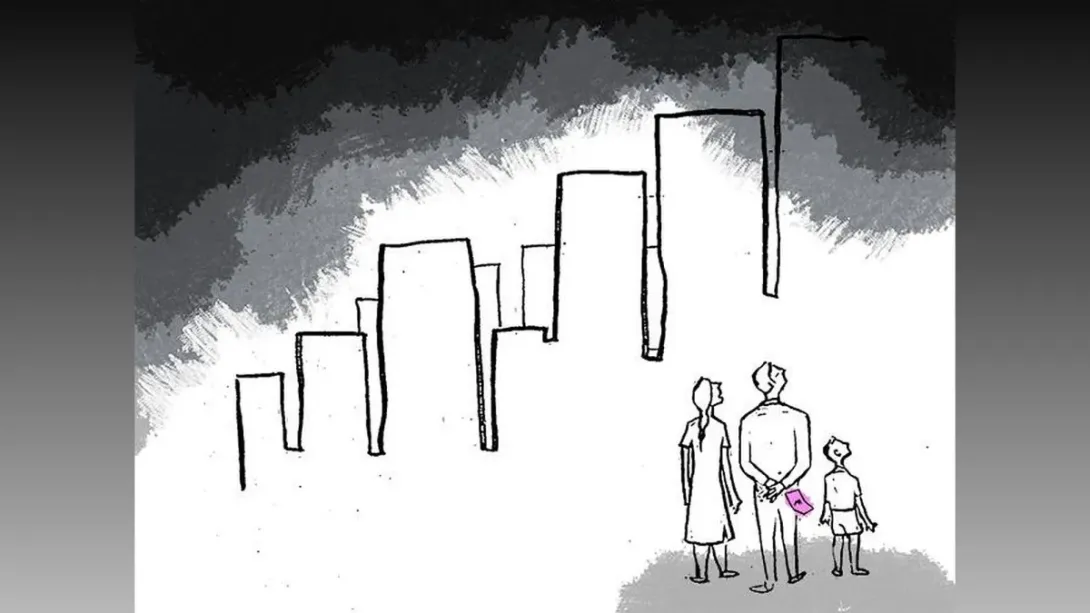
A recent survey highlights growing unease among homebuyers as property prices continue to climb across major Indian cities. The study, conducted by Anarock, reveals that affordability pressures are emerging as the primary concern for potential buyers, outweighing other considerations such as location and amenities. With residential real estate values rising steadily over the past year, the market faces a delicate balance between strong demand and shrinking affordability. This sentiment reflects both the optimism surrounding housing as a long-term investment and the challenges posed by inflationary trends in construction and financing.
Growing Affordability Concerns
According to the survey findings, a significant portion of homebuyers are worried that sustained price increases could push property ownership further out of reach. While demand for housing remains strong, especially in metropolitan regions, the steady escalation in costs is forcing many potential buyers to reconsider purchase timelines or explore smaller units. This shift underscores the sensitive relationship between consumer confidence and affordability in India’s residential sector.
Drivers of Rising Property Values
The upward trend in housing prices is attributed to multiple factors, including elevated raw material costs, supply chain disruptions, and robust demand from end-users as well as investors. Developers, facing higher input expenses for steel, cement, and labor, have passed part of the burden onto buyers. Additionally, limited new launches in some cities have tightened supply, adding further pressure on prices. While the housing sector has benefited from improved sentiment post-pandemic, affordability is once again emerging as a critical barrier.
Buyer Preferences in Flux
The survey also notes a gradual change in buyer behavior. A growing share of respondents is now prioritizing budget considerations over premium amenities or location advantages. Mid-income and affordable housing categories are expected to draw the most attention in the near term, as consumers seek value-driven options. This trend could encourage developers to recalibrate offerings and focus more on cost-efficient projects to meet evolving buyer expectations.
Implications for the Real Estate Market
The widening gap between price growth and household income levels presents a challenge for the housing market’s long-term sustainability. While higher prices boost profitability for developers, they risk excluding large segments of potential homebuyers, particularly in tier II and tier III cities where affordability is more fragile. Policymakers and industry stakeholders may need to explore interventions such as tax incentives, credit support, or affordable housing schemes to restore balance.
Outlook
India’s housing market continues to demonstrate resilience, driven by aspirational buyers and long-term investors. However, the latest survey reveals a growing undercurrent of concern that escalating costs could cool demand in the coming quarters. For developers, the challenge lies in managing profitability while ensuring accessibility. For buyers, the decision increasingly involves weighing the security of homeownership against the strain of higher financial commitments. The trajectory of housing affordability will play a decisive role in shaping the sector’s future momentum.
Comments